Trying to choose between Williamsburg and DUMBO for your next Brooklyn waterfront home? Both deliver skyline views, loft-inspired spaces, and an easy hop to Manhattan, but the day-to-day feel is very different. If you care about architecture, commute, and the balance of nightlife versus quiet, the right fit matters. In this guide, you’ll get a clear, side-by-side look at each neighborhood’s buildings, transit, lifestyle, and buyer considerations, plus a checklist to help you decide. Let’s dive in.
Neighborhood snapshots
Williamsburg at a glance
Williamsburg sits along the northwestern edge of Brooklyn, stretching from the East River inland. It evolved from an industrial district to a creative hub and now to a high-energy residential center. You’ll find converted lofts, new towers, and an active restaurant and nightlife scene. The neighborhood is larger and more varied than DUMBO, with distinct pockets that range from bustling to calmer residential blocks.
DUMBO at a glance
DUMBO, short for Down Under the Manhattan Bridge Overpass, is compact and scenic at the base of the Brooklyn and Manhattan Bridges. It is known for brick warehouses, cobblestone streets, and a cohesive historic look. It feels curated, design-forward, and boutique, with galleries, tech and design offices, and immediate access to Brooklyn Bridge Park. Even with daytime crowds, residential evenings tend to be quieter than Williamsburg’s nightlife hubs.
Homes and architecture
What you’ll see on the market
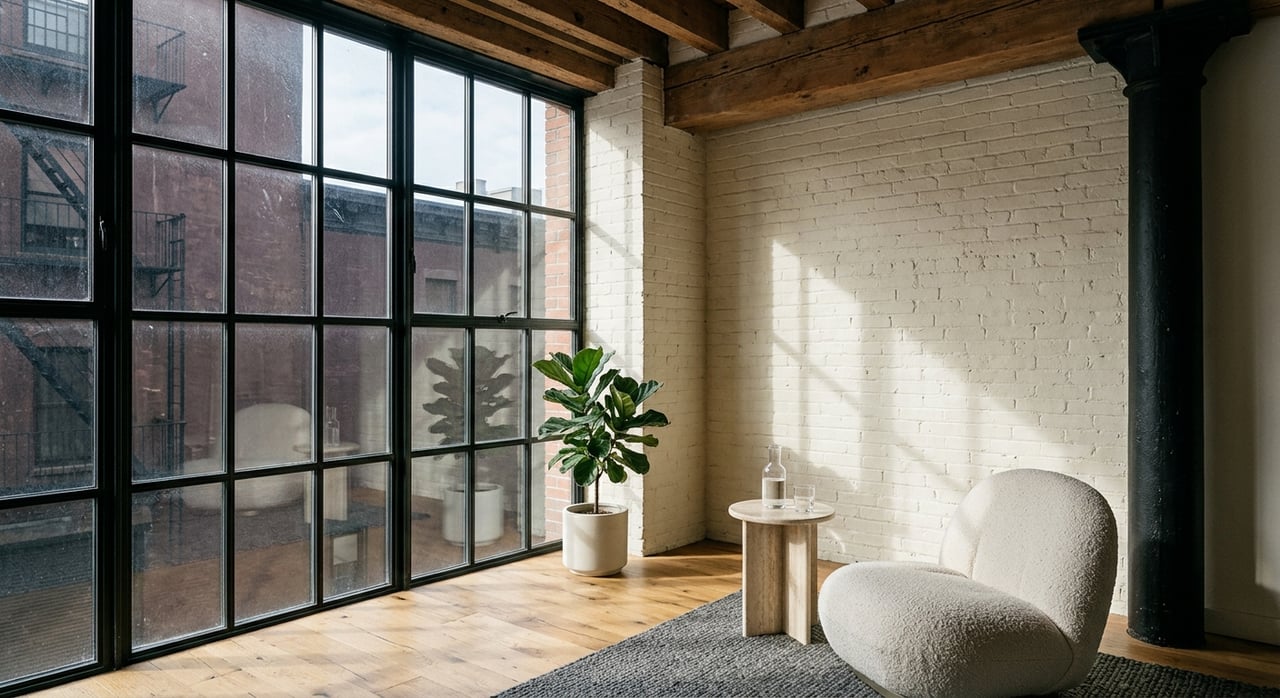
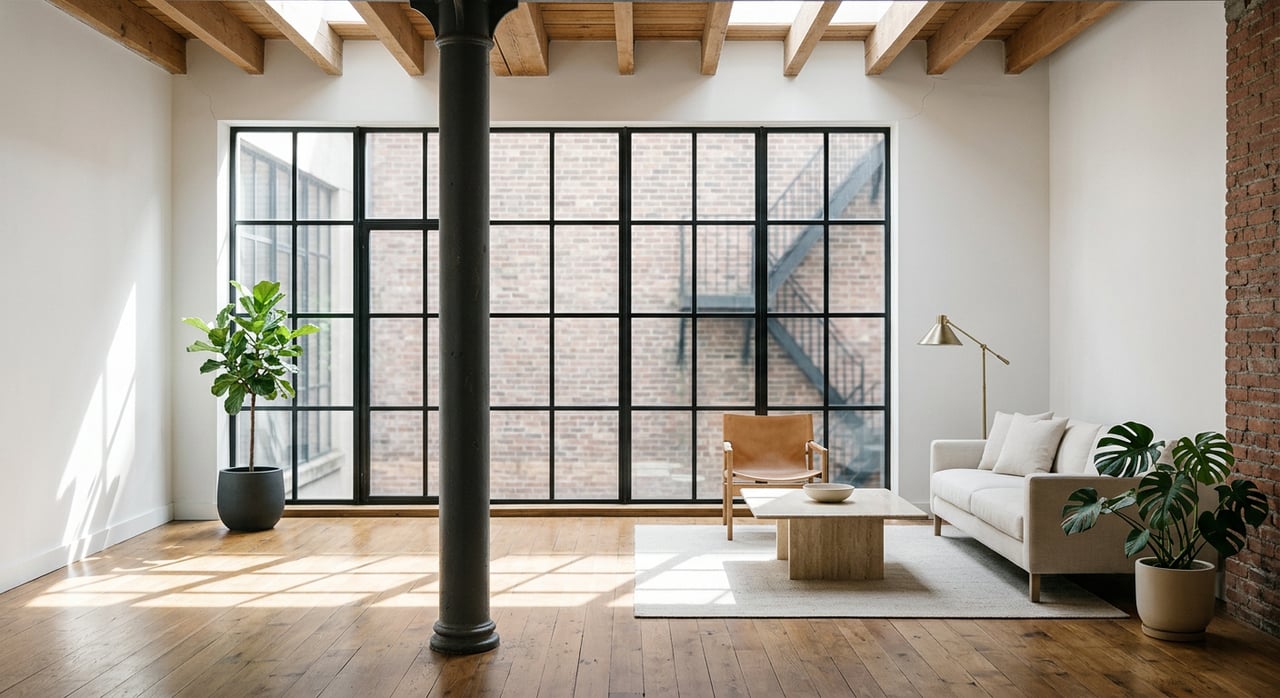
- DUMBO: Many homes are in converted 19th-century warehouses and boutique luxury buildings. Expect lofty volumes, large windows, and original details like exposed brick or timber. The small footprint keeps inventory scarce, which supports premium pricing.
- Williamsburg: Options range from true warehouse loft conversions to contemporary glass towers and mid-rise condos. There is more new construction along the waterfront, so you have wider choices in unit sizes, finishes, and price points.
Lofts and new construction
Both areas offer open-plan lofts with high ceilings and large windows. In DUMBO, those features often come from authentic historic structures. In Williamsburg, some new developments echo loft aesthetics, while others lean modern with amenity-rich living that includes gyms, roof decks, and doormen.
Ownership and turnover
Williamsburg has a significant rental presence alongside condos, which generally translates to more overall choices and turnover. DUMBO leans toward owner-occupied condos and co-ops and has lower inventory at any given time.
Zoning and preservation
Parts of DUMBO sit within historic and landmark districts, which help preserve its low-rise warehouse character and limit large-scale redevelopment. Williamsburg’s waterfront rezonings enabled taller, higher-density residential buildings, leading to a greater volume of newer condos and rentals.
Transit and commute
Subway access
- Williamsburg: The L train anchors many commutes, with quick east–west access to Manhattan’s 14th Street corridor. The J/M/Z at Marcy Avenue supports fast trips to Lower Manhattan, while the G provides crosstown access within Brooklyn.
- DUMBO: The F at York Street serves the heart of the neighborhood. The A/C at High Street is within walking distance for parts of DUMBO, with additional options near Jay Street–MetroTech.
Commute experiences vary by exact address and destination. Williamsburg often feels faster to Manhattan’s East Village and Union Square, while DUMBO gives very direct access to Lower Manhattan and easy bridge crossings. Always test your door-to-door route during your typical travel window.
Ferries, biking, and parking
Both neighborhoods are served by NYC Ferry routes for scenic trips to Midtown and Lower Manhattan. Dedicated bike lanes and the waterfront greenway make cycling practical. Parking is limited and costly in both areas, and garages are competitive, so confirm availability and fees before you commit.
Lifestyle and energy
Dining and nightlife
- Williamsburg: A dense and eclectic mix of restaurants, bars, breweries, music venues, and food markets. Street life is lively most nights, especially near Bedford Avenue, North 6th Street, and the waterfront.
- DUMBO: A more curated, upscale café and dining scene, with waterfront options and a design-first sensibility. Evenings are generally quieter once galleries and daytime crowds thin out.
Parks and waterfront
- DUMBO: Immediate access to Brooklyn Bridge Park, with lawns, sports areas, promenades, and iconic skyline views. Jane’s Carousel and frequent public programming add to the appeal.
- Williamsburg: Domino Park and the North Side waterfront greenway anchor outdoor time. Parks and playgrounds are more spread out across this larger neighborhood.
Arts, culture, and tech
Williamsburg’s creative roots are visible in galleries, street art, music venues, and pop-up events. DUMBO hosts notable design firms, tech startups, and galleries, shaping a daytime crowd that values architecture and design.
Noise, tourism, and crowds
In Williamsburg, nightlife areas can bring higher noise and later evenings. In DUMBO, expect heavy daytime foot traffic near the park and bridges, with residential blocks feeling calmer at night.
Which neighborhood fits your goals
- Choose Williamsburg if you want multiple subway options to Manhattan’s East Village and Union Square, a wider array of new-build amenities, and a vibrant dining and nightlife scene.
- Choose DUMBO if you prioritize historic loft character, a compact and walkable footprint, instant access to Brooklyn Bridge Park, and iconic Lower Manhattan views.
Market and monthly costs
DUMBO tends to command a higher price per square foot due to its scarcity, dramatic views, and concentration of high-quality conversions and condos. Williamsburg’s larger supply and diverse building types create a broader price spectrum and typically more choices at any time. Newer Williamsburg towers often deliver robust amenities, which can mean higher monthly common charges, while DUMBO’s boutique buildings vary. Always compare HOA budgets, reserve fund health, and any property tax abatements at the building level.
Renovation and design choices
If you want true industrial details like exposed brick and heavy timber, DUMBO’s historic conversions shine. Williamsburg offers both those authentic conversions and newer buildings that mimic the loft aesthetic with clean modern finishes. Consider how building type affects daily comfort: insulation, sound transmission, window performance, and mechanical systems often differ between conversions and new construction. Review ceiling heights, window dimensions, unit orientation, and potential to open layouts or add storage.
If you plan updates, factor scope, costs, and timelines into your offer strategy. A smart pre-purchase plan can improve livability and long-term value.
Buyer checklist
Use this checklist to compare specific homes:
- Building type: historic conversion or new condo, with implications for sound, insulation, and systems
- Unit orientation, light, and river or skyline views
- Ceiling height, window size, and overall loft character
- Amenity portfolio and monthly common charges
- Property taxes and any abatements
- Transit options for your commute, tested door to door
- Local noise profile and proximity to nightlife or tourist corridors
- Parking or garage options and costs
- School and daycare options you plan to explore
- Resale comps and time on market for similar units
Next steps
Tour a mix of buildings in each neighborhood to feel the differences in volume, finishes, and street energy. Ride your exact commute during rush hour, try the ferry, and walk the waterfront to see where you spend your time. Compare monthly costs carefully, including HOA fees, reserves, and taxes, and align your renovation plans with your budget and timeline.
If you want a guided process that couples neighborhood insight with design and renovation know-how, connect with Corrin Thomas for a consult. You’ll get practical advice on building quality, realistic upgrade estimates, and a search strategy tailored to your lifestyle.
FAQs
How do Williamsburg and DUMBO commutes compare to Midtown and FiDi?
- Williamsburg often provides faster access to the 14th Street corridor via the L, while DUMBO gives very direct routes to Lower Manhattan via the F and A/C, so test door-to-door for your exact address.
Which neighborhood has better waterfront views?
- Both deliver excellent views; DUMBO faces Lower Manhattan for iconic skylines, while Williamsburg’s north-facing waterfront offers open East River and Midtown vistas depending on location.
Is one area better for families or for singles?
- Both attract a mix of residents; Williamsburg has more nightlife and broader services across a larger area, while DUMBO’s compact layout and park access appeal to buyers who want calmer evenings and immediate green space.
Can you get true loft features in new construction?
- New buildings, especially in Williamsburg, often mimic loft aesthetics, but authentic exposed brick and heavy timber details are most common in historic conversions in both neighborhoods.
How do HOA fees and taxes compare in Williamsburg and DUMBO?
- Costs vary by building; amenity-rich new towers often carry higher common charges, while boutique DUMBO condos vary, so review each HOA budget, reserves, and any abatements.
What should I know about parking, storage, and pets in these buildings?
- Parking is limited and typically expensive, storage is a premium, and many buildings are pet-friendly with specific policies, so confirm availability, costs, and restrictions before you buy.
How do investment and rental potential differ between the two?
- Williamsburg’s larger stock supports steady rental demand and more listings, while DUMBO’s scarcity can support higher rents for premium units but fewer total opportunities, with broader regulations and market cycles affecting returns.