If you are selling a loft in the Meatpacking District, choosing the right listing agent is not a routine decision. This pocket of downtown Manhattan has a built-in identity shaped by industrial architecture, historic district rules, and a buyer pool that often cares as much about character and presentation as raw square footage. The right agent can help you price, prepare, and position your home with that reality in mind. Let’s dive in.
Why Meatpacking loft sales are unique
Selling in the Meatpacking District is different because the neighborhood itself is part of the value story. According to official New York City planning documents, the district is a 21-block area on Manhattan’s far west side between Chelsea and the West Village, with a low-rise built form and a mix of commercial and residential uses that still reflect its industrial past. That backdrop affects how buyers experience your home and how your agent should market it.
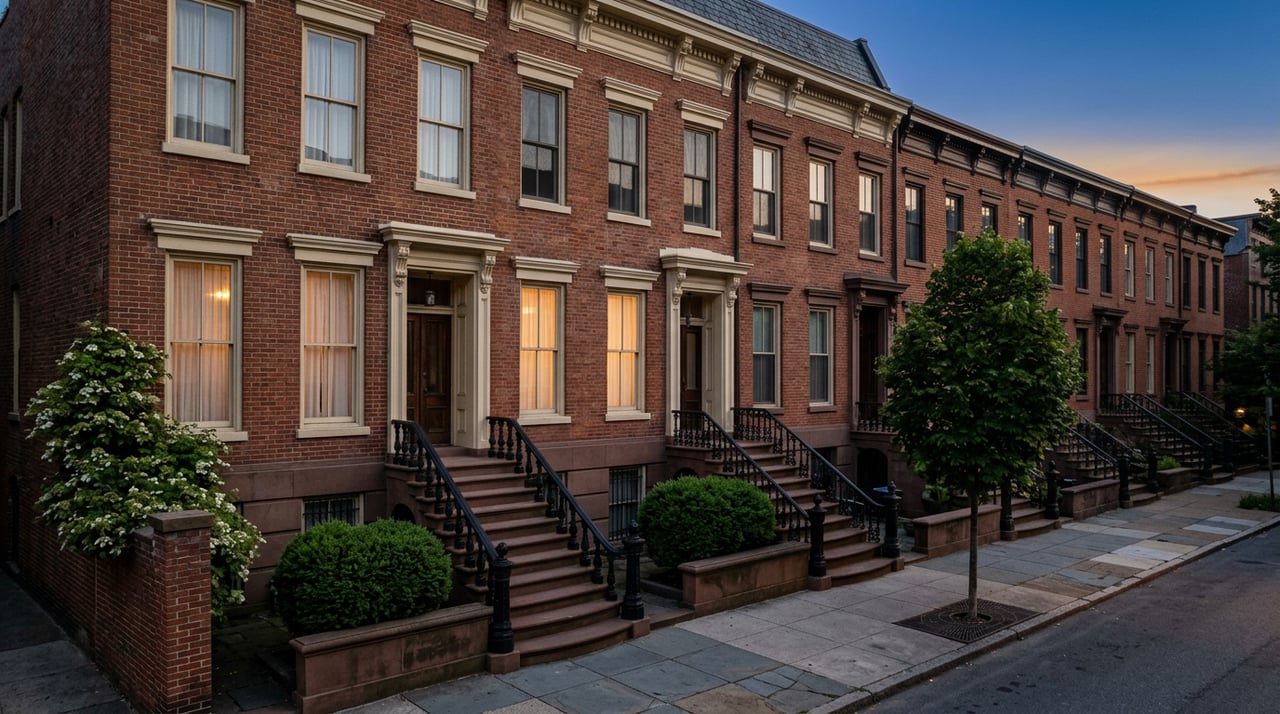
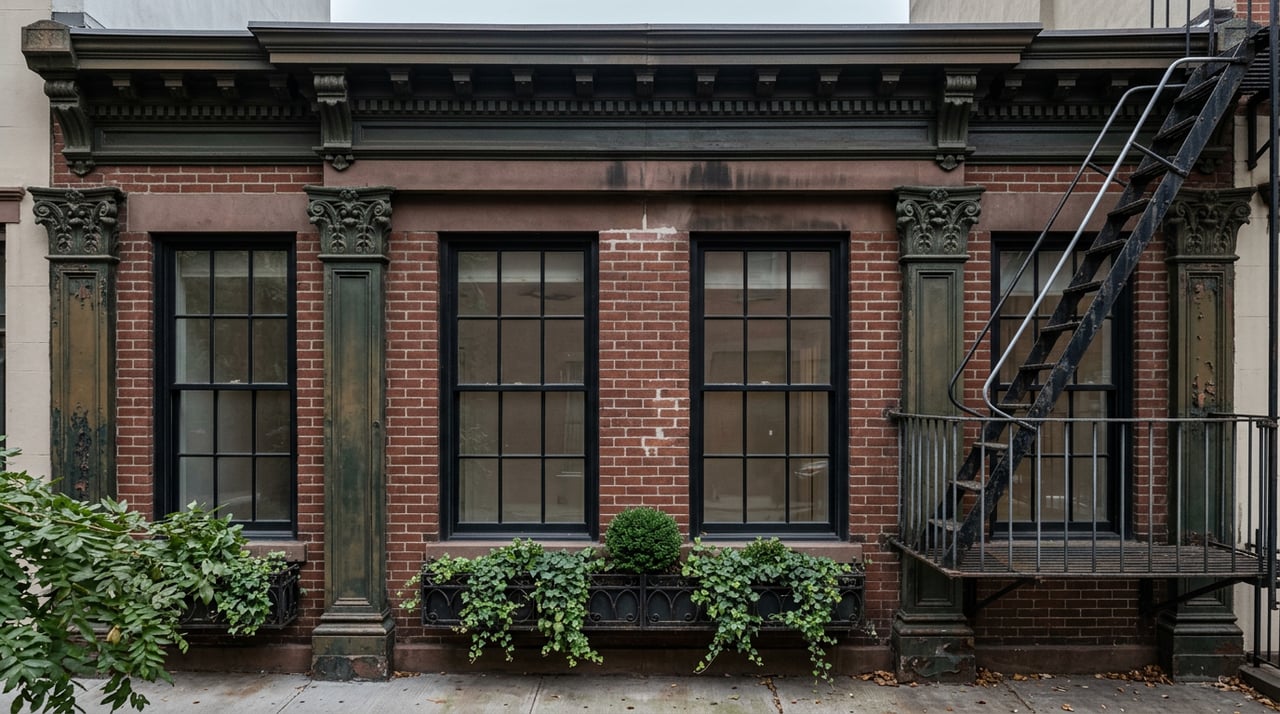
The architecture matters here in a very direct way. The Gansevoort Market Historic District designation materials describe brick facades, metal canopies, Belgian block paving, and a mix of market buildings, warehouses, stables, and store-and-loft buildings dating from the 1840s through the 1940s. In practical terms, buyers are often evaluating ceiling height, light, conversion quality, and how well a residence fits the building’s industrial character.
Lifestyle also plays a role in demand. Hudson River Park’s neighborhood overview highlights destinations such as Gansevoort Peninsula, Little Island, Pier 57, and 14th Street Park. For many buyers, that means your loft is competing not only on floor plan and finishes, but also on walkability, waterfront access, and overall ease of living.
Why the right agent matters more here
A generic luxury pitch is usually not enough in this submarket. Your listing agent needs to understand how to translate industrial architecture, design choices, and building history into a clear value proposition that resonates with downtown buyers. That takes neighborhood fluency, disciplined pricing, and strong preparation before your home ever hits the market.
That preparation matters because Manhattan buyers are still selective. In Corcoran’s 1Q 2026 Manhattan market report, closings rose 1% year over year to 2,757, median price increased 9% to about $1.28 million, and days on market fell 9% to 110. The same report notes that well-priced, move-in-ready homes are trading more efficiently, while listings that miss the mark tend to sit.
StreetEasy data cited in that same market discussion also showed active inventory and ongoing high-end demand, but not without buyer discipline. That is why the best listing agent for a Meatpacking loft should bring precision, not just optimism. You want someone who can support a price with logic, present the home with intention, and anticipate diligence issues before buyers do.
What a Meatpacking listing agent should know
Historic district rules
A strong agent should understand how historic district status can affect a sale. The district’s designation materials show the range of building types in the area, and the Landmarks Preservation Commission requires review for exterior alterations, reconstruction, demolition, or new construction affecting a building in a historic district. Some interior work can also trigger review if it requires a DOB permit or affects the exterior.
That does not mean every seller faces a landmarks issue. It does mean your agent should know when to ask questions about windows, terraces, rooftop work, façade changes, or past renovations. If those details are unclear, buyers may raise concerns during diligence.
Building records and permits
Your listing agent should also know how to think through permits and completion records. The NYC Department of Buildings explains that a final Certificate of Occupancy or Letter of Completion confirms compliance with approved work, and that buildings built before 1938 may not need a certificate of occupancy unless later alterations changed use, egress, or occupancy.
For a loft seller, that can be important. If there were prior alterations, your agent should be alert to open permits, incomplete sign-offs, or documents that may need clarification before launch. In Manhattan, those issues can slow a transaction even when buyer interest is strong.
Design and presentation
In Meatpacking, the architecture is part of the product. That means your agent should know how to present exposed brick, oversized windows, beams, ceiling height, open layouts, and custom finishes in a way that feels authentic rather than generic. The goal is to tell a story about the property that fits both the building and the neighborhood.
This is where a design-aware approach can make a real difference. Sellers often benefit from thoughtful pre-listing preparation, whether that means clarifying which details to highlight, refining layout flow, or deciding which improvements support pricing and which do not. A listing agent who understands renovation and presentation can help you make those decisions more confidently.
Pricing discipline
Pricing is one of the clearest tests of agent quality. The National Association of Realtors seller guidance and broader seller best practices emphasize that your agent should be able to explain how the list price was determined, how the home will be marketed, and how you will be kept informed throughout the process.
In a neighborhood like Meatpacking, comp selection can be especially nuanced. The right agent should be able to explain whether your apartment should be compared with nearby lofts, downtown condos with similar scale and finish, or other design-forward homes that attract a similar buyer. If they cannot explain the comparison set clearly, that is a warning sign.
Questions to ask when interviewing agents
The interview process should help you separate true specialists from polished generalists. The Consumer Financial Protection Bureau recommends choosing an agent with strong experience in your preferred neighborhood, price range, and property type, and also suggests asking for references and checking disciplinary history.
Use your interview to test both sales skill and Meatpacking-specific fluency. Here are smart questions to ask:
- How many Meatpacking, West Chelsea, West Village, or comparable downtown loft and condo sales have you closed recently?
- What comparable sales would you use for my property, and why?
- How would you market the apartment’s industrial character, ceiling height, natural light, and design details?
- What permit, certificate of occupancy, renovation, or landmark-related issues would you want to verify before listing?
- What is your plan for photography, floor plans, private showings, and online exposure?
- How often will you communicate with me, and who will handle negotiations and transaction follow-through?
- Will you represent me exclusively, and how do you handle dual agency or other representation conflicts?
- Can you provide references from sellers with similar homes?
Strong answers should feel specific and grounded. If an agent speaks only in broad luxury terms, avoids details, or cannot clearly explain process and pricing, keep looking.
Red flags to watch for
Some warning signs are easy to miss when an agent is charismatic. Be cautious if someone promises an aggressive price without showing you a credible case, especially in a market where buyers are active but selective. Overpricing can cost time, leverage, and momentum.
You should also be cautious if the agent seems unfamiliar with building documentation or historic district issues. In this part of Manhattan, diligence often matters just as much as marketing. Problems with permits, approvals, or incomplete records can become buyer objections later.
Another red flag is generic positioning. Meatpacking buyers are often responding to authenticity, design quality, and neighborhood context. If the marketing plan sounds like it could apply to any luxury condo in any neighborhood, it may not be tailored enough for your loft.
What strong representation looks like
The best listing agent for a Meatpacking loft usually does four things well.
First, they evaluate the apartment as both a residence and a product. They understand how architecture, layout, renovation history, and presentation affect buyer perception and value.
Second, they prepare thoroughly before launch. That can include reviewing building records, surfacing diligence issues early, and helping you decide what level of pre-listing work makes sense.
Third, they market with precision. Instead of leaning on vague language, they connect the apartment’s specific details to the buyers most likely to respond.
Fourth, they negotiate with discipline. In a market that rewards accuracy, thoughtful positioning and strong follow-through often matter more than flashy promises.
How to choose with confidence
If you are narrowing your options, focus on substance over style. Ask each candidate how they would price the loft, what concerns they would want to investigate before listing, and how they would present the home’s industrial character in a way that fits today’s Manhattan market. The best answer will likely be detailed, calm, and highly specific to your property.
For sellers in design-driven downtown markets, it also helps to work with someone who can see both the listing and the underlying asset. That means understanding not just how to market the home, but how to think through preparation, improvements, and buyer objections before they affect your outcome.
If you are considering selling a Meatpacking loft and want strategic guidance on pricing, presentation, and pre-listing preparation, connect with Corrin Thomas for a consultative, design-aware approach to your sale.
FAQs
What should you look for in a Meatpacking District listing agent?
- You should look for experience with downtown lofts or similar condos, a clear pricing method, familiarity with historic district and building-document issues, and a marketing plan tailored to industrial architecture and design-forward buyers.
Why is selling a Meatpacking loft different from selling another Manhattan apartment?
- Meatpacking lofts often carry value tied to architecture, conversion quality, neighborhood context, and historic district considerations, so buyers may look closely at design, authenticity, and diligence details.
What questions should you ask a listing agent before selling a Meatpacking loft?
- Ask about recent comparable sales, pricing logic, marketing strategy, permit and certificate-of-occupancy review, communication process, representation structure, and references from similar sellers.
How important are permits and building records when selling a Meatpacking loft?
- They can be very important because past alterations, open permits, incomplete sign-offs, or unclear completion records may create delays or concerns during buyer diligence.
Does historic district status affect a Meatpacking loft sale?
- It can, especially if there were exterior changes or certain interior alterations that required review, so your agent should know how to spot potential issues early in the process.