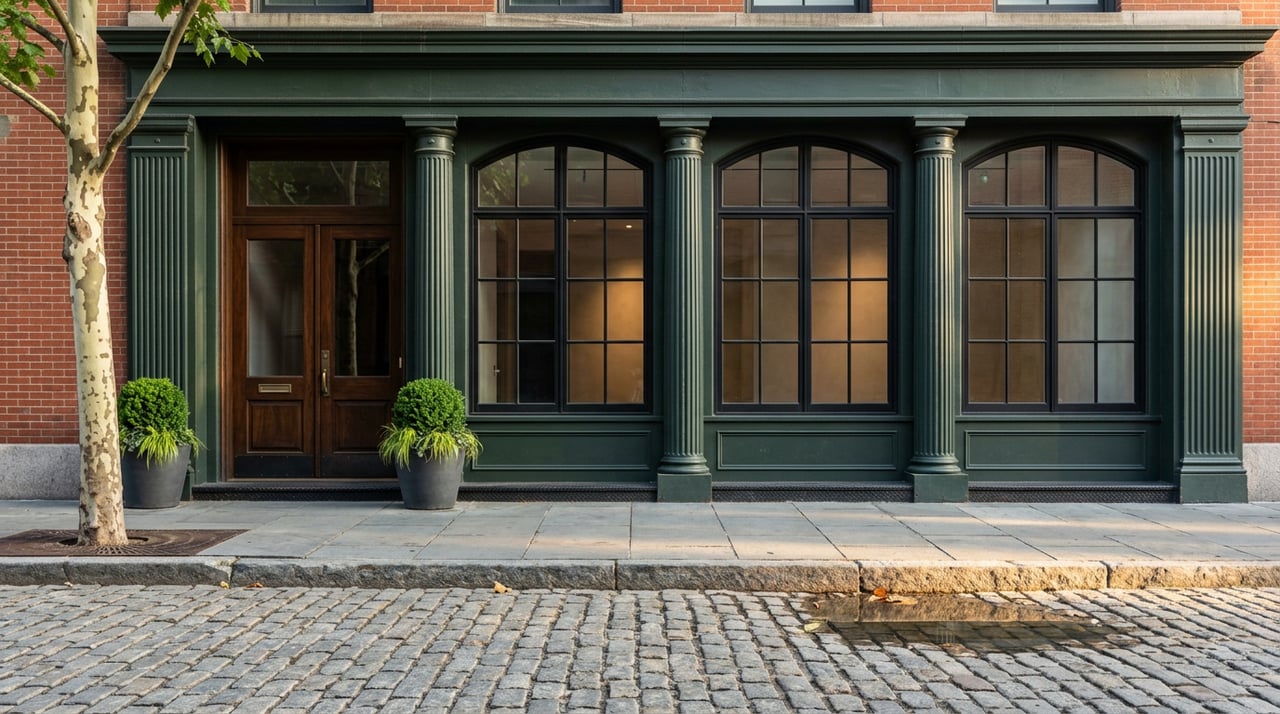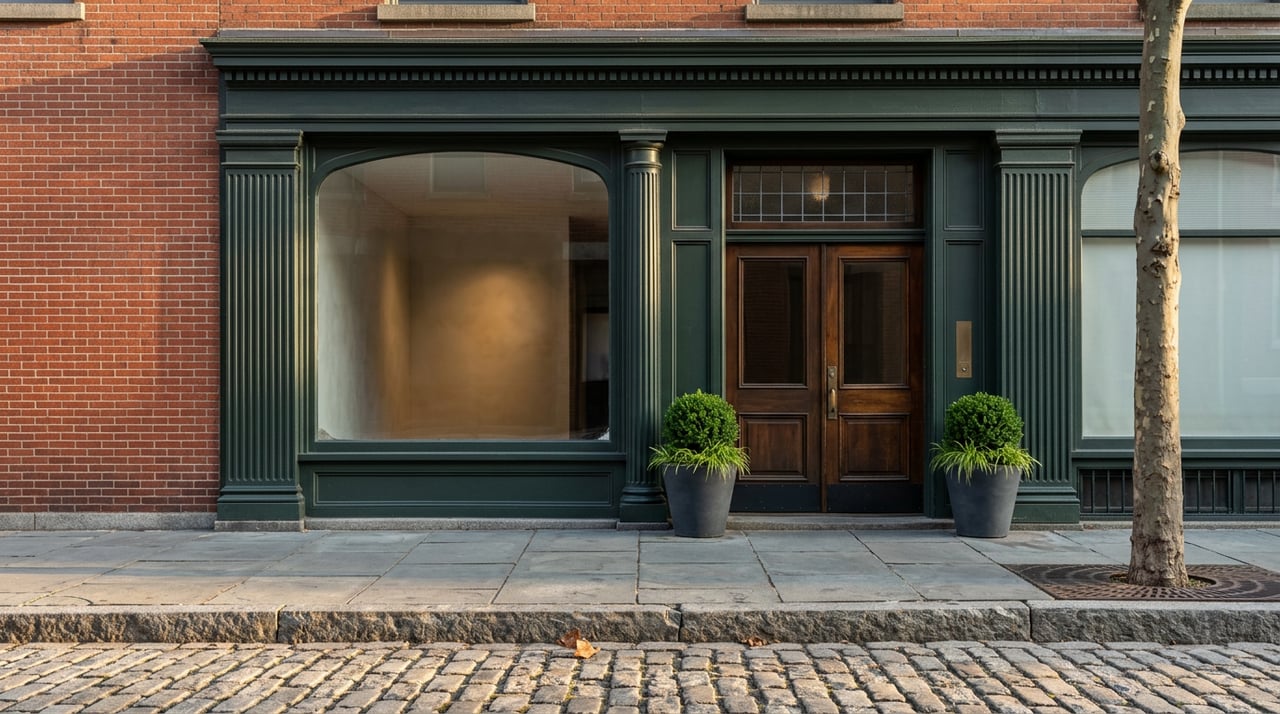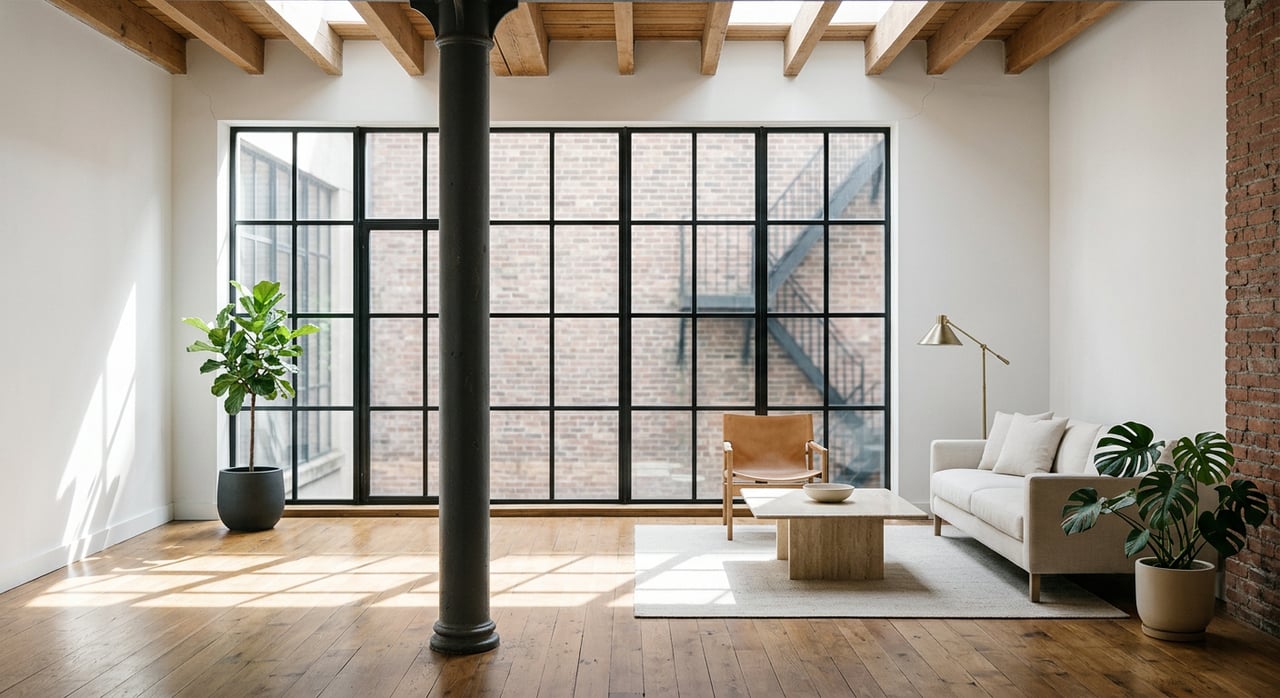
If you love the character of cast‑iron buildings but wonder whether the numbers still work, you are not alone. NoHo lofts sit at the high end of Manhattan pricing, and yields can look thin without a clear plan. You want architectural authenticity, stable resale demand, and a smart path to upside that respects costs and regulations. This guide gives you the essentials: where pricing sits, how rents and yields pencil, what renovation and landmark rules add to budgets, and a practical checklist to separate trophy assets from value traps. Let’s dive in.
NoHo loft pricing today
NoHo is one of Manhattan’s premium downtown pockets, and asking prices reflect that. Recent vendor snapshots place NoHo’s average price per square foot in roughly the 2,600 to 3,300 dollars per square foot range, depending on the month and methodology. Neighborhood medians can swing sharply because only a handful of homes close each month, so a single large sale can shift short‑term stats. Use rolling 12‑month windows and unit‑level comps when you underwrite.
Across Manhattan, the “loft” category tends to trade at a premium. The Douglas Elliman and Miller Samuel decade summary shows lofts posting materially higher average sale prices and price per square foot than the broader borough in 2025, with larger floorplates and architectural scarcity driving both price and variance. You can review the loft cohort context in the Miller Samuel decade report for 2025 to see how this niche performs relative to Manhattan overall. The 10‑year summary highlights the loft premium and variability.
Why lofts command a premium
Authentic lofts offer big windows, tall ceilings, and flexible floorplates that are hard to replicate in new construction. That combination attracts design‑forward end users and investors who value unique architecture and generous volumes. Scarcity also matters. NoHo’s historic building stock and limited new supply concentrate demand for well‑located cast‑iron conversions. The result is strong pricing when a unit checks the right boxes and clear differentiation when it does not.
Rents, demand, and expected yields
Manhattan’s rental market tightened in 2024–2025, and multiple months in 2025 recorded median rents around 4,500 dollars, indicating durable demand from high‑income renters. Within NoHo, listing data show studios clustering in the 3,700 to 4,000 dollars per month range in late 2025 and early 2026, while larger 2‑bedroom‑plus lofts command significantly higher monthly rents. Always segment by unit size and building class when modeling.
For buy‑to‑rent owners, Manhattan condo net rental yields commonly land near 2 to 4 percent after common charges and taxes. That means your thesis should not rely on cash flow alone. Appreciation, price‑per‑square‑foot capture through design upgrades, and strategic repositioning often drive the bulk of returns. Underwrite conservatively and pressure‑test your assumptions before you commit.
What makes a trophy NoHo loft
A few characteristics tend to make a NoHo loft easier to lease, finance, and resell at a premium:
- Authentic features with modern livability: original facade or industrial details, 10–14‑foot ceilings, large window spans, and an open plan that converts cleanly to today’s layouts.
- Clear legal status: a condo deed and certificate of occupancy in place, with no unresolved Loft Board or Department of Buildings issues. Review the Loft Law framework and check records before you offer. See the city’s guidance on IMD/Loft Law compliance for background on what to look for. NYC’s Loft Law project requirements are outlined here.
- Strong building fundamentals: healthy reserves, transparent financials, manageable assessments, professional management, and minimal open violations.
- Quiet, high‑quality frontage and easy access to transit and amenities. Historic district status can support long‑term value by preserving character and supply.
Red flags that signal a value trap
Watch for these issues, which can stall sales, erode returns, or add holding risk:
- Unclear legality: IMD status, missing or outdated certificates of occupancy, or a history of Loft Board or DOB violations. Confirm status with primary records using the city’s Loft Law resources. Start with NYC’s Loft Law materials.
- Restrictive ownership structures: co‑ops with strict sublet policies can limit investor flexibility and exit options.
- Deferred maintenance: aging roof or elevator, facade repairs, or recent special assessments that hint at more capital needs.
- Challenging floorplates: odd partitions, single exposures, or poor daylight that are costly to reconfigure and hard to market.
Renovation and regulatory costs that matter
Renovation scope is where NoHo loft investments can win or wobble. Use conservative allowances until you have bids and an engineer’s report.
Typical New York City ranges (all‑in, mid‑range finishes):
- Light refresh: about 100 to 200 dollars per square foot for lower‑complexity cosmetic updates. See Sweeten’s NYC cost guide.
- Mid/gut renovation: roughly 200 to 500 plus per square foot when reworking kitchens and baths or moving plumbing. Brick Underground outlines hidden cost drivers to watch.
- High‑end bespoke build‑outs: 500 to 1,000 plus per square foot for custom millwork, new HVAC, and structural alterations typical of luxury lofts. Complexity drives costs into the high bracket.
Cast‑iron and landmarked buildings add specific cost drivers:
- Facade and landmark approvals: exterior or window work may require Landmarks Preservation Commission review under Title 63. Budget time, design fees, and specialist trades. Review LPC Title 63 guidance.
- Loft Law legalization: if a unit is in an interim multiple dwelling, bringing it to code involves life‑safety, sprinklers, egress, and MEP upgrades. Expect meaningful soft and hard costs. NYC’s Loft Law project requirements detail the process.
- Environmental surprises: lead paint, asbestos, and similar items are common in older buildings. Include a 5 to 15 percent contingency for unknowns. Brick Underground’s guide highlights typical overages.
- Permits and professional fees: filings, expediting, and construction administration can add several percent to your budget. Sweeten’s guide offers planning ranges.
Underwriting a NoHo loft, step by step
Use this simple framework to organize your analysis:
Price per square foot: Anchor to neighborhood comps on a rolling 12‑month basis. Adjust for ceiling height, window spans, exposure, and floor level. The Miller Samuel decade report shows why loft PPSF can be higher and more volatile than the Manhattan average. Scan the 2025 loft context here.
Rent by unit size: Segment studios, 1‑beds, and 2‑beds plus. Use listing comps for a conservative starting point and stress‑test concessions.
Net yield: After common charges, taxes, and closing costs, many Manhattan condo investments underwrite to 2 to 4 percent net yields. If your plan depends on higher cash flow, revisit assumptions.
Renovation budget: Use 200 to 500 plus dollars per square foot for gut scopes until you obtain bids. Add a contingency for environmental or code upgrades tied to cast‑iron structures and historic elements.
Cap rate cross‑check: Compare your implied going‑in yield to large‑market multifamily cap rates, which moved off 2021‑22 lows and have sat in the mid‑to‑high 4 percent range in many urban markets. Prime Manhattan assets often price tighter than those averages.
Liquidity signals: Small‑sample volatility is normal in NoHo, but institutional deals still transact nearby. A recent example is a JLL‑brokered sale of 640 Broadway for 49.5 million dollars in October 2025, demonstrating sustained buyer appetite for scaled loft assets. See the transaction report.
Hold‑period scenarios: Run 3‑, 5‑, and 10‑year cases with sensitivity on exit PPSF and carrying costs. Your upside should not depend on aggressive appreciation alone.
Who should consider buying now
- Design‑oriented end users who value space, light, and authenticity, with a renovation budget to tailor the home and capture PPSF upside over time.
- Value‑add investors comfortable with low near‑term yields who can execute renovations cleanly and lease to high‑income renters.
- Long‑term holders who prefer safety in architectural scarcity and downtown location fundamentals, and who prize liquidity in the resale pool when the unit is positioned well.
How we help you get it right
Succeeding with a NoHo loft is part market knowledge and part building science. The Thomas Team pairs high‑touch brokerage representation with hands‑on construction, renovation, and design expertise. You get on‑the‑spot renovation ranges, realistic after‑repair value projections, and a turnkey plan to go from diligence to closing to finished product. For sellers, we craft pre‑listing renovation strategies and design‑led presentation that maximize market response. For buyers and investors, we manage the scope, assemble bids, and oversee execution so you stay on time and on budget.
Ready for a clear plan on a specific NoHo loft? Connect with Corrin Thomas for a focused consultation on comps, renovation scope, and your hold‑case targets.
FAQs
Are NoHo lofts still good condo investments in 2026?
- Yes, if you underwrite conservatively: expect 2–4 percent net yields, model multiple hold periods, and target units with clear legal status, strong building fundamentals, and authentic features that drive resale.
What price per square foot should I expect in NoHo?
- Recent vendor snapshots cluster roughly between 2,600 and 3,300 dollars per square foot, but small monthly sample sizes make medians noisy, so rely on 12‑month rolling comps and unit‑level adjustments.
How strong is rental demand for NoHo lofts?
- Manhattan recorded multiple 2025 months with median rents near 4,500 dollars, and NoHo listing data show studios around 3,700 to 4,000 dollars per month, with larger lofts renting higher; always segment by unit size.
What renovation budget should I use for a loft?
- Start with 100–200 dollars per square foot for light refreshes, 200–500 plus for gut work, and 500–1,000 plus for bespoke build‑outs, with added contingency for landmark, code, and environmental items.
What is the Loft Law and why does it matter to buyers?
- The Loft Law governs the legalization of certain former commercial/manufacturing spaces used as residences; if a unit is an interim multiple dwelling, compliance can add time and costs for life‑safety and code upgrades, so verify status before you offer.