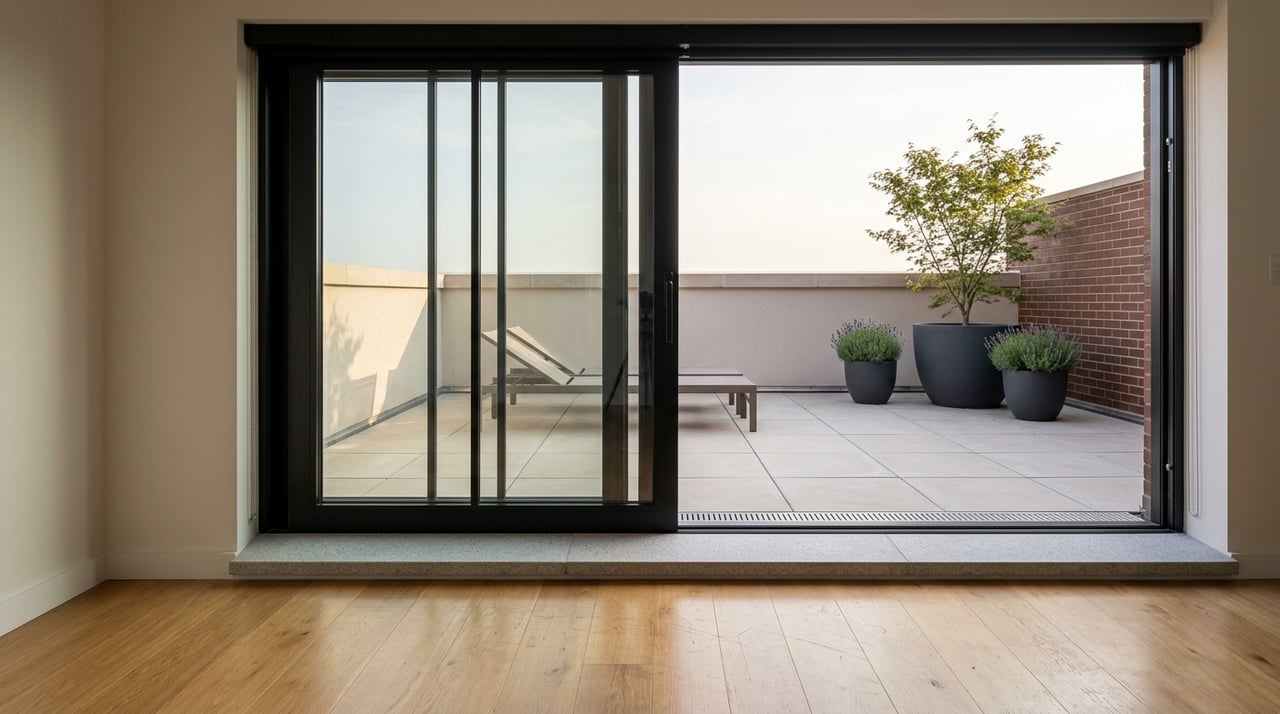
If you are thinking about bidding on a Downtown Manhattan penthouse, the biggest risk may not be the layout or the finishes you can see. It is often the legal status of the outdoor space, the condition of the roof assembly below it, and the building systems that could turn a dream renovation into a much more expensive project. Before you make an offer, it helps to know where renovation upside is real and where it only looks good in marketing. Let’s dive in.
Why penthouse due diligence matters
In Lower Manhattan, penthouses often come with a premium because of light, views, and outdoor space. But when renovation potential is part of your investment thesis, you need to evaluate more than aesthetics.
A strong penthouse bid should be based on document review, physical condition, and realistic renovation economics. That is especially true in New York, where building documents and city rules can shape what you can actually do with a roof, terrace, or top-floor layout.
Check roof and terrace rights first
One of the most important questions is simple: Do you actually control the outdoor space you think you are buying? In New York condominiums, roofs are generally common elements unless the declaration says otherwise, though a unit may include appurtenances like a terrace, balcony, or patio under the New York Condominium Act.
That means the word penthouse does not automatically give you private roof rights. Some units may have exclusive or substantially exclusive use of part of the common elements, but that depends on the declaration, bylaws, floor plans, and any amendments.
In co-ops, the key document is often the proprietary lease. A recent New York case in 2024 showed that claimed roof-use rights were not established because the lease did not support them, even though roof maintenance issues still existed separately from use rights, according to the court decision.
Marketing language is not enough
If a listing mentions a roof setback, private roof area, or terrace potential, do not assume that language is legally controlling. In Pappas v New 19 W., the offering plan stated that certain roof setbacks were not legal terraces and remained general common elements, despite marketing that suggested private outdoor use.
For you as a buyer, that is a clear lesson. The offering plan, declaration, bylaws, floor plans, and lease terms matter more than what appears in a brochure or on a listing sheet.
What to verify before bidding
Before you get attached to a rooftop vision board, confirm:
- Whether the outdoor space is part of the unit, an appurtenance, or a common element
- Whether use is exclusive, limited, or shared
- Whether the space is shown in the offering plan and floor plans
- Whether maintenance and repair obligations belong to the owner or the building
- Whether any amendments changed those rights over time
Underwrite waterproofing and hidden roof costs
For a top-floor apartment, the terrace itself is only half the story. The more important issue is what sits underneath it.
A 2025 New York condo case involving private roof terraces highlighted how work often requires paver removal, storage, and reinstallation during membrane roof replacement, as noted in the court record. That is a practical reminder that terrace renovations are not just cosmetic. They can involve hidden roof-assembly costs that affect both your budget and your timing.
Questions to ask about terrace condition
When you tour the property or review due diligence materials, ask:
- When was the roof membrane last replaced?
- Are the pavers original to the building or a later modification?
- Are there visible signs of leak repair or disturbed pavers?
- Who pays for ordinary maintenance versus structural or extraordinary repair?
- Has the building already discussed future roof work?
These questions can quickly tell you whether the outdoor space is a true asset or a deferred capital item.
Confirm the space is legal as built
Even if a terrace or rooftop area looks finished and usable, that does not always mean it is compliant for occupied use. According to the NYC Department of Buildings rooftop guidance, occupied rooftops and terraces must comply with the Construction Codes and Zoning Resolution, including rules related to egress, structural loading, parapets, and guardrails.
For some buildings, converting an unoccupied roof to usable outdoor space may require structural plans, egress plans, accessibility compliance, and in some cases a new or amended Certificate of Occupancy. DOB also states that approved rooftop patios and terraces should appear on the Certificate of Occupancy or other official building documents.
Red flags to watch for
Pay close attention if you see any of the following:
- Outdoor space that is not reflected in official plans or documents
- Low or questionable guardrails or parapet protection
- Access routes that seem improvised or narrow
- Heavy planters, kitchens, or other features with no clear structural history
- Seller claims about future rooftop expansion without document support
If you plan to change the use of the outdoor space, these issues can affect feasibility, cost, and timing.
Review building systems before you price the renovation
In many penthouse purchases, the renovation budget is shaped less by cabinets and stone and more by the age and condition of shared systems. Under the New York Condominium Act, common elements include systems such as power, gas, water, heating, air conditioning, elevators, pumps, ducts, and related installations.
That matters because older building-wide systems may create future common-charge pressure or assessments. A penthouse project may look attractive on a price-per-square-foot basis, but if elevators, HVAC, plumbing, wiring, or major structural elements are due for capital replacement, your total ownership cost may look very different.
Mechanical questions worth asking
Before you bid, try to get clear answers on:
- The age of HVAC, plumbing, and electrical systems
- Whether any capital replacements are planned
- Whether elevator access to the roof is practical or required
- Whether your planned improvements would strain existing systems
- Whether building approvals could require additional upgrades
These are not minor details. They can decide whether your renovation is straightforward or financially hard to justify.
Test structural feasibility early
A beautiful roof area can still be difficult to improve. The same DOB rooftop bulletin makes clear that rooftop and terrace conversions must address live loads, structural plans, and egress, even when a new Certificate of Occupancy is not required.
If your plans include heavy pavers, outdoor kitchens, pools, or substantial planters, structural reinforcement may be needed. In practical terms, that can be the difference between a manageable design upgrade and a project that no longer makes sense.
Ask whether your ideas match the building
It helps to pressure-test your vision early. For example, ask whether the slab or framing can support the intended use, whether access paths can accommodate the work, and whether the building is likely to permit the scope you want.
In Lower Manhattan, where many buildings have complex histories and varying document sets, feasibility often comes down to a combination of legal rights, engineering realities, and board review.
Build a real renovation budget
Renovation budgets for New York apartments vary widely, but the range is still useful for setting expectations. A 2024 NYC renovation guide from Rauch Architecture reported that many projects were running around $300 to $400 per square foot for small to medium jobs and $400 to $600 per square foot for larger gut renovations.
A Manhattan contractor guide from Corniel Construction places projects at roughly $200 to $1,200+ per square foot, with high-end gut work in the $600 to $1,200+ range. For a luxury penthouse, that means renovation costs can rise from the high hundreds of thousands into seven figures once custom work, HVAC upgrades, premium finishes, and building logistics are added.
Do not forget soft costs
Your construction number is only part of the total. The same Corniel guide notes costs such as alteration deposits, engineer review fees, move fees, elevator protection, and insurance-related items, while also recommending a 10% to 15% contingency.
Rauch Architecture adds that full-service fees for smaller to medium projects often land around $30,000 to $50,000, and architect fees may also be structured as 10% to 15% of construction cost or as a flat fee. In other words, if you only underwrite the contractor line item, you may underbid the true project cost.
Wet areas often stretch the budget
Bathrooms and kitchens are frequent cost drivers in Manhattan renovations. According to Sweeten’s 2025 NYC bathroom cost guide, high-end or luxury bathrooms often run about $25,000 to $75,000+, with primary bathrooms commonly in the $30,000 to $60,000+ range and extensive projects exceeding $200,000.
In a penthouse, terrace-adjacent waterproofing and top-floor wet-area work can push those numbers higher than expected. That is why realistic underwriting matters before you set your bidding ceiling.
A smart pre-bid penthouse checklist
If you want a clean framework before making an offer, focus on these five items:
- Verify legal outdoor-space rights in the declaration, bylaws, floor plans, and proprietary lease if relevant.
- Ask about membrane and pavers so you understand whether the terrace has hidden roof costs.
- Confirm maintenance responsibility for ordinary versus structural repair.
- Review shared systems and capital plans for HVAC, plumbing, electrical, and elevator exposure.
- Carry a contingency because board costs, permits, insurance, and hidden conditions can materially change your final budget.
Why this matters in Lower Manhattan
Lower Manhattan penthouses can offer exceptional upside, especially when you can see past dated interiors and identify real design potential. But upside only works when the legal rights, building condition, and renovation path all support the vision.
That is where a document-first and construction-aware approach can protect you. Instead of bidding emotionally on views and outdoor space alone, you can bid with a clearer sense of what the property can realistically become.
If you are considering a Downtown penthouse and want a sharper read on renovation potential before you bid, Corrin Thomas can help you evaluate the building documents, renovation scope, and value strategy with the kind of practical clarity that matters in New York.
FAQs
What should you review before bidding on a Lower Manhattan penthouse?
- Review the declaration, bylaws, floor plans, offering plan, and if applicable the proprietary lease to confirm outdoor-space rights, maintenance obligations, and any limits on use or renovation.
How do roof rights work in a New York condo penthouse?
- In a condo, roofs are generally common elements unless the governing documents say otherwise, so private or exclusive use rights must be confirmed in the declaration, bylaws, or related plans.
Why is terrace waterproofing important in a Downtown Manhattan penthouse?
- Terrace waterproofing matters because repairs often involve the roof membrane and paver system below the surface, which can create significant hidden costs beyond cosmetic upgrades.
Can you renovate or expand rooftop space in Lower Manhattan without city approval?
- Not always, because occupied rooftops and terraces must comply with NYC code requirements for items like egress, structural loading, and guardrails, and some changes may require DOB review or updated occupancy documents.
What is a realistic renovation budget for a Manhattan penthouse?
- Budgets vary widely, but recent NYC sources place many apartment renovations in the hundreds per square foot, with high-end gut renovations often reaching $600 to $1,200+ per square foot before soft costs and contingency.
How can you tell if a penthouse renovation is financially realistic?
- Compare the purchase price, document-supported renovation rights, projected construction and soft costs, and likely carrying-cost exposure from shared building systems before deciding how much upside is truly there.