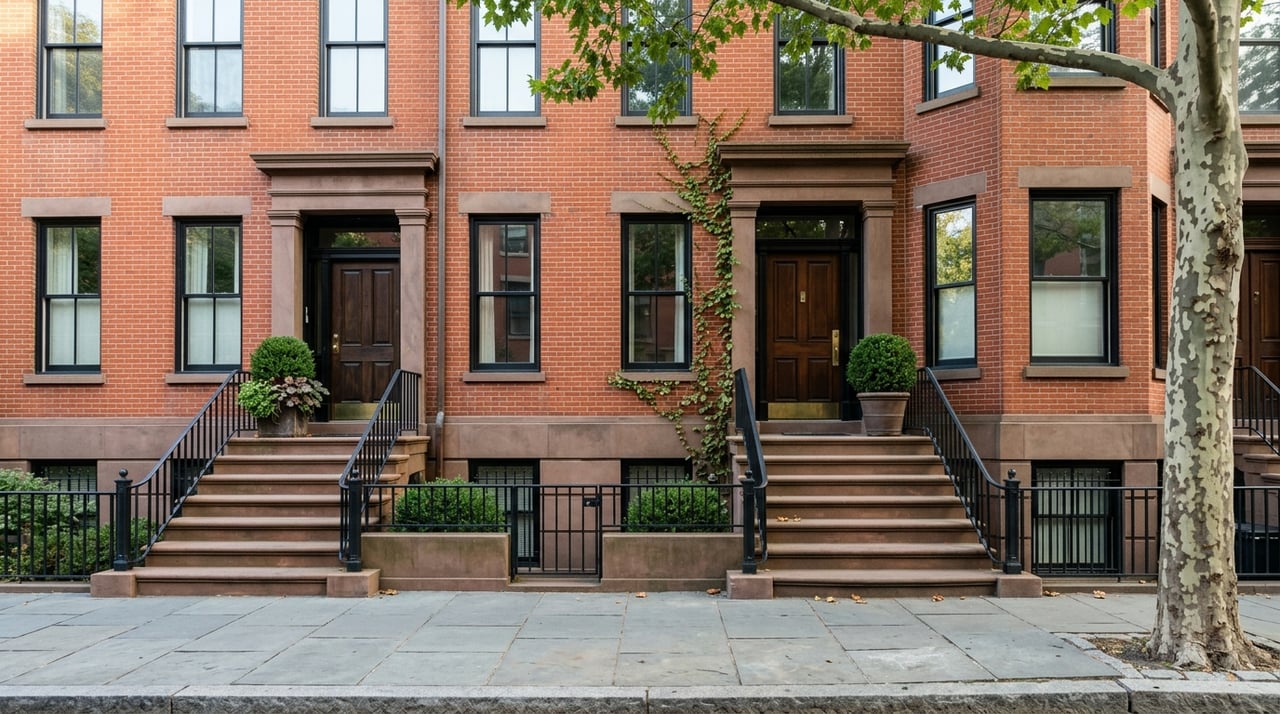
Looking for a Manhattan neighborhood that feels both iconic and livable? The West Village has a way of making daily life feel more intimate, more walkable, and more design-conscious than many other parts of the city. If you are wondering what it is actually like to live here, this guide will walk you through the streetscape, café culture, waterfront rhythm, and housing texture that shape the neighborhood day to day. Let’s dive in.
West Village Daily Life
The West Village sits within Manhattan Community District 2, and its everyday rhythm feels distinct even within downtown Manhattan. You are in a part of the city where short walks often replace long commutes across the neighborhood, and where the experience of getting around is shaped by small intersections, narrow streets, and a low-rise historic feel.
That sense of place is not just anecdotal. In the broader Greenwich Village and SoHo profile that includes the West Village, 2024 median household income was $208,970 and median rent was $3,620. Those numbers help explain why the area remains highly sought-after while still feeling deeply residential.
The NYPD’s 6th Precinct serves Greenwich Village and the West Village, with destinations like Christopher Street, Washington Square Park, and Broadway helping define the area around it. In practice, the West Village tends to feel like a neighborhood of routines, where favorite corners, familiar storefronts, and repeat walking routes matter as much as headline destinations.
Historic Streets Shape the Experience
One of the biggest reasons West Village feels different from much of Manhattan is preservation. The Greenwich Village Historic District was designated in 1969 and spans more than 2,000 buildings across 65 blocks, making it New York City’s largest historic district.
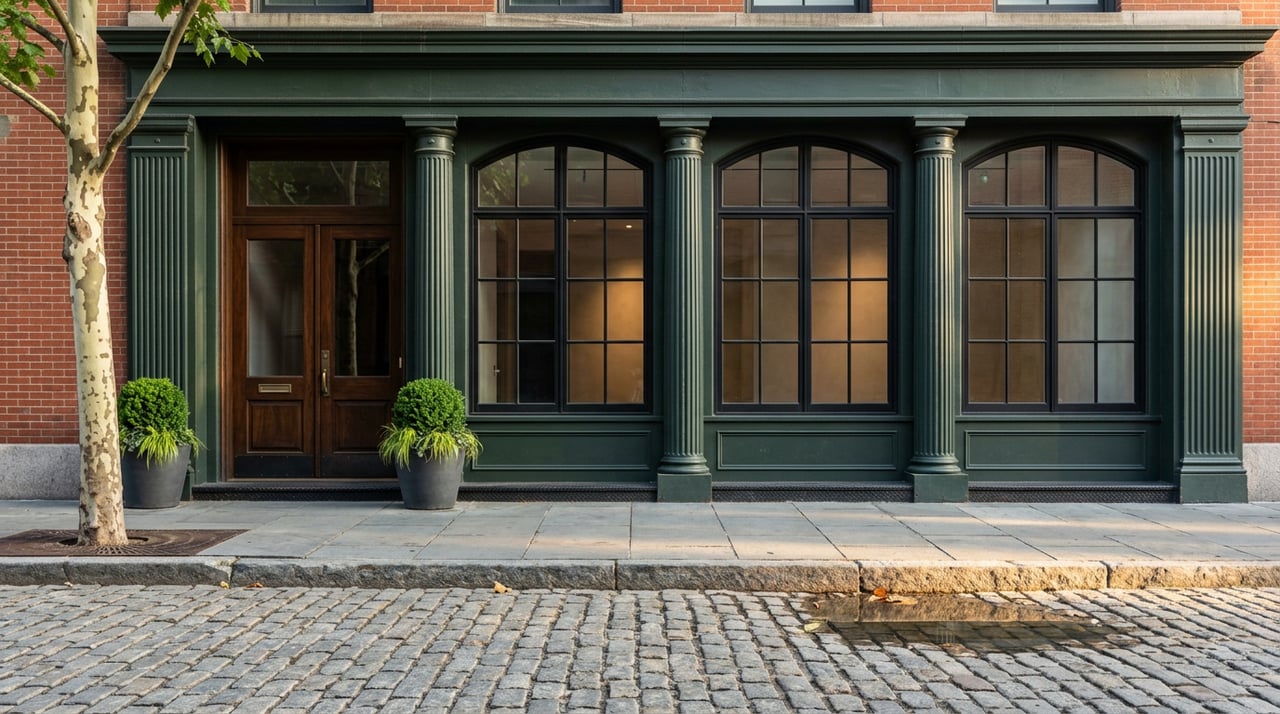
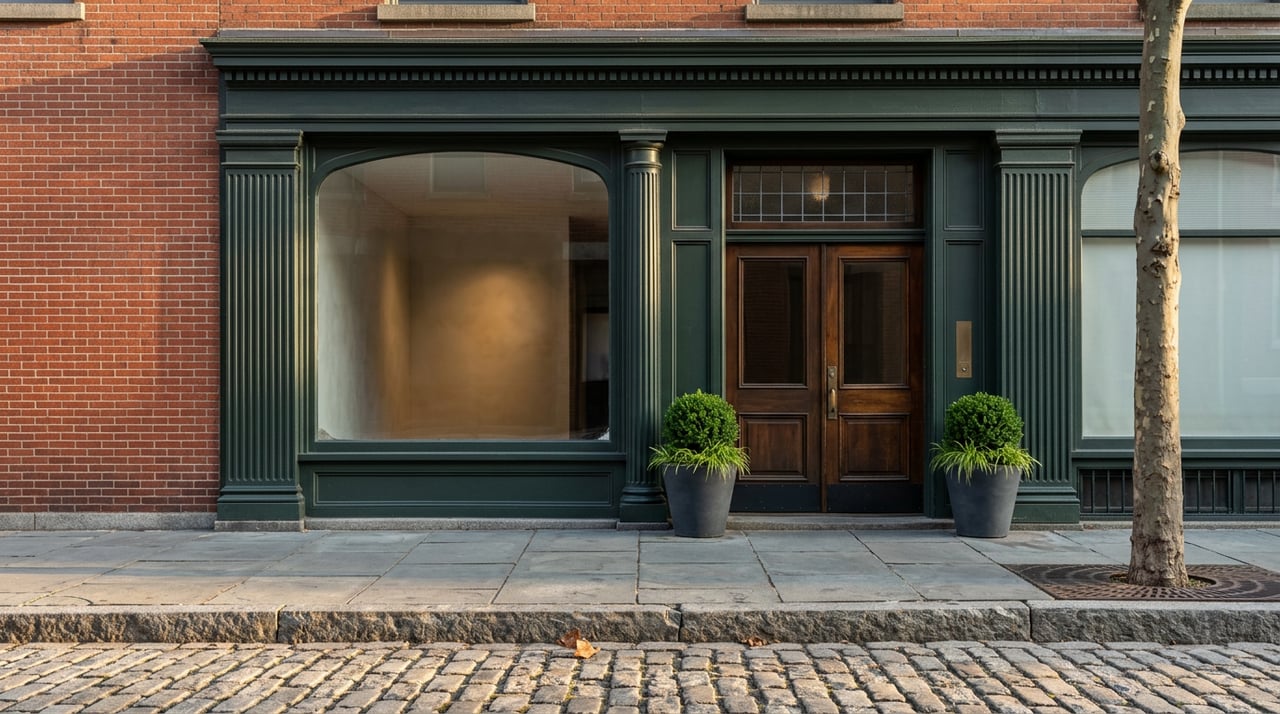
That scale of preservation shapes what you see and how you move. Streets like Carmine, Cornelia, Gay, Commerce, Bank, Waverly, West 4th, West 10th, and West 13th are part of a connected historic fabric, so the neighborhood reads less like a set of isolated landmarks and more like a continuous architectural environment.
West of Sixth Avenue, the street pattern stays irregular, with narrow and angled streets that trace back to the 18th century. For you as a resident, that means the neighborhood can feel calm and compressed, with each block offering a slightly different mood.
Townhouse Blocks and Small Surprises
The West Village rewards close attention. It is the kind of neighborhood where the scale of buildings, the width of a street, or the placement of a courtyard can change your impression from one corner to the next.
Local block histories help show that variety. Patchin and Milligan Places are tiny former workmen’s cottages on a trapezoidal block, Grove Court is a collection of small houses behind a private gate and triangular courtyard, and the West 10th Street row at 20 to 38 is one of the city’s few English Terrace-style rows.
There are also memorable one-offs woven into the ordinary rowhouse fabric. Village Preservation highlights 75 1/2 Bedford Street as the narrowest house in the Village and points to the Twin Peaks building at 102 Bedford Street as another standout example. For buyers and sellers, this kind of block-by-block variation is part of what gives the West Village its lasting appeal.
Cafés and Retail Follow Key Corridors
The commercial life of the West Village is active, but it is not spread evenly. Instead, it tends to cluster along a few key corridors, which helps explain why one street can feel lively while the next feels tucked away and quiet.
The West Village BID includes stretches of 7th Avenue South, Bleecker Street, Christopher Street, and nearby blocks. Its work focuses on clean and safe streets, reducing vacancies, managing foot traffic, and supporting resident engagement, all of which reinforce the neighborhood’s small-scale but high-demand retail environment.
For you, that often translates into a very specific daily rhythm. You might step out for coffee, pass a bookstore or magazine shop, stop at a compact restaurant, and then turn onto a quieter residential block within minutes.
Vogue’s 2025 neighborhood guide describes a landscape where independent stores are more common than chains, and where many restaurants feel intimate even when they are among the city’s hardest reservations to get. Its examples include I Sodi, Via Carota, The Waverly Inn, The Commerce Inn, Sant Ambroeus, Airmail’s coffee bar, Casa Magazines, and Three Lives Company.
Hudson River Park Adds Breathing Room
For many residents, the western edge of the neighborhood is part of daily life, not just a weekend destination. Hudson River Park gives the West Village a second center of gravity, especially if you value open space, river views, or an easy outdoor routine.
According to Hudson River Park, Greenwich Village was its first completed section. Today, that stretch includes an uninterrupted esplanade, lawns, public art, tennis courts, ballfields, a dog run, a playground, compost drop-offs, and piers that support a more relaxed daily pace.
Pier 45 offers river views and outdoor dining at Drift In, while Pier 46 adds a tree-lined retreat. With more than 17 million visits a year across the full four-mile park, this waterfront edge functions as real neighborhood infrastructure rather than a fringe amenity.
Christopher Park and Neighborhood Identity
Christopher Park plays an outsized role in the feel of the West Village. The National Park Service describes Stonewall National Monument as a 7.7-acre site in Greenwich Village and notes that Christopher Park is one of the only public open spaces serving Greenwich Village west of Sixth Avenue.
That matters in practical terms as much as symbolic ones. The park sits at Christopher, Grove, and West Fourth Streets, and its location reinforces the neighborhood’s pattern of short blocks and frequent walking.
It also anchors an important part of local identity. Along with its place in LGBTQ civil-rights history, Christopher Park remains part of the everyday fabric of the neighborhood, where public space, memory, and routine intersect.
What Housing Looks Like Here
If you are considering a move, West Village housing is best understood as low-rise, historic, and somewhat irregular. This is not a neighborhood defined by a large inventory of uniform new buildings.
Instead, the housing stock tends to feel layered into the historic streetscape. Village Preservation’s history of West Village Houses describes a project of 42 walk-up buildings with 420 units that was designed to harmonize with neighborhood scale and preserve local character.
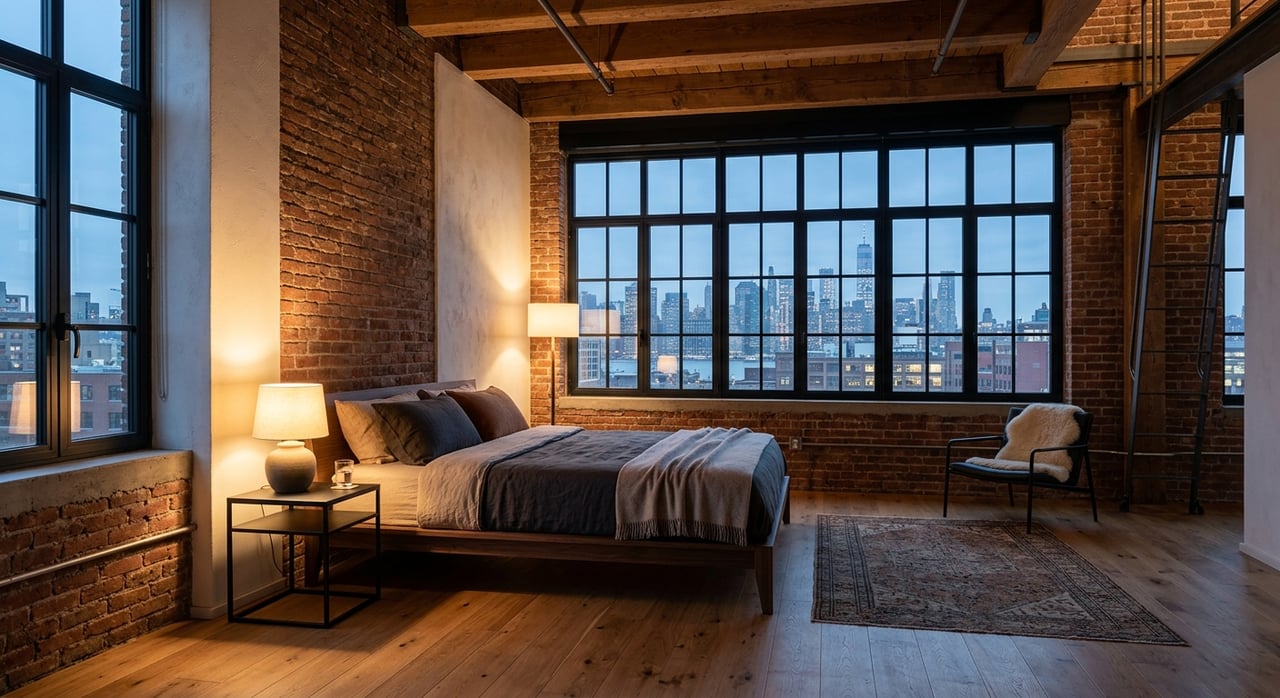
That description mirrors the broader experience of searching here. In many cases, you are comparing co-ops, condos, and walk-ups in older structures where layout, detail, light, and condition can vary meaningfully from one property to the next.
Why Inventory Feels Finite
The West Village often feels stable because so much of its built environment already exists in a protected and established form. The Landmarks Preservation Commission notes that historic districts are collections of landmark buildings that together create a distinct sense of place, and that sense of continuity is easy to feel here.
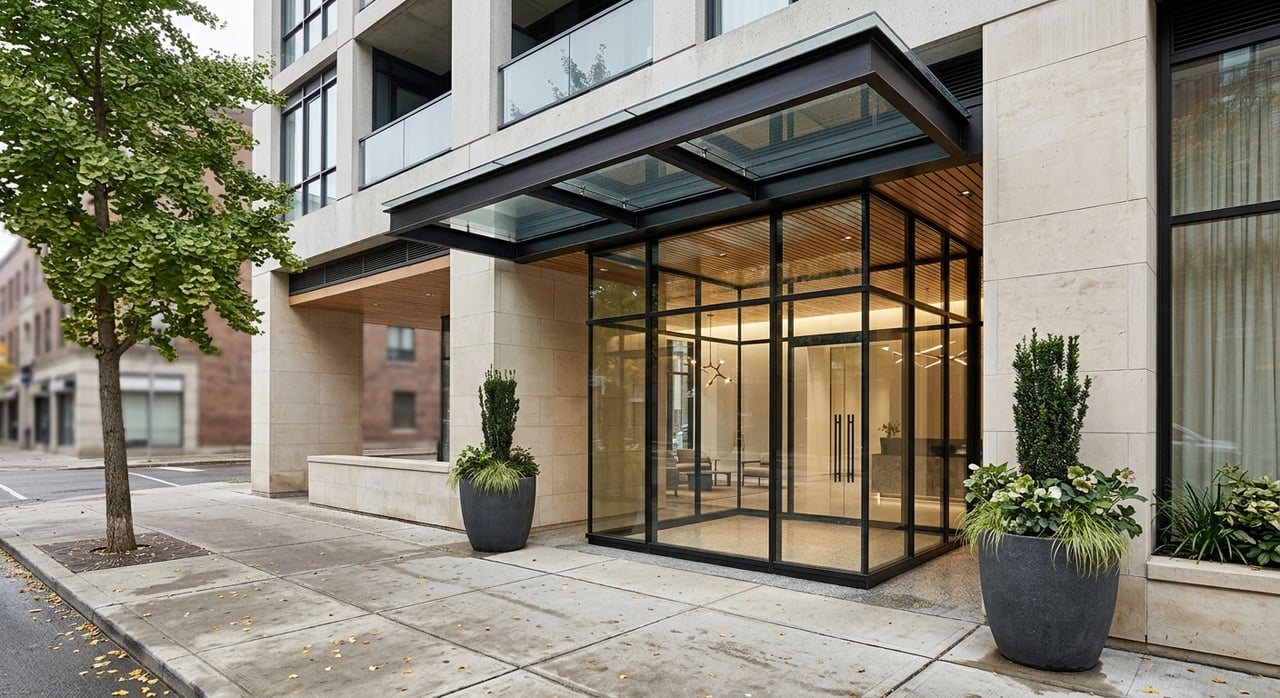
Market context supports that impression. In the broader Greenwich Village and SoHo profile that includes the West Village, 2,186 housing units were added from 2010 to 2025, with most of the new construction market-rate, and the 2024 homeownership rate stood at 34.0%.
For you as a buyer or seller, the takeaway is simple. This is a neighborhood where the existing housing fabric carries much of the story, which often makes pricing, presentation, and renovation strategy especially important.
What Buyers Should Notice
In the West Village, the apartment itself matters, but so does how it fits into the block and the building around it. Since the neighborhood is shaped by older structures and irregular streets, value is often tied to details that are highly specific.
A buyer may want to look closely at factors like natural light, floor-through layouts, stair access in walk-ups, preserved prewar character, and how a home relates to nearby commercial corridors or quieter side streets. In a neighborhood like this, two homes with similar square footage can live very differently.
This is also where design and renovation clarity can make a real difference. If a property has upside but needs work, understanding what is feasible within the context of an older Manhattan building can help you judge value more accurately.
What Sellers Should Keep in Mind
For sellers, West Village buyers are often responding to both lifestyle and product. The neighborhood already provides the atmosphere, but your home still needs to present clearly within a competitive and finite housing stock.
That can mean identifying where small design improvements, better spatial flow, or a sharper presentation will help a property stand out. In a market defined by nuance, details like condition, visual coherence, and how a listing frames the home’s relationship to the block can influence buyer response.
Because so much of West Village housing sits in older buildings, renovation strategy is often part of the conversation before a listing even goes live. A thoughtful approach can help you decide what to improve, what to leave alone, and how to position the home for the right audience.
If you are thinking about buying, selling, or preparing a West Village property for the market, working with a team that understands both the neighborhood and the realities of renovation can make the process far more efficient. Corrin Thomas brings that combination of local market perspective, design fluency, and hands-on guidance to help you move with clarity.
FAQs
What is daily life like in the West Village?
- Daily life in the West Village is shaped by short walks, small commercial corridors, historic low-rise blocks, and easy access to waterfront open space in Hudson River Park.
What makes West Village streets feel different from other Manhattan neighborhoods?
- West Village streets are known for their irregular layout, narrow blocks, and preserved historic fabric, especially west of Sixth Avenue where the street pattern reflects an older city grid.
What types of homes are common in the West Village?
- West Village housing is generally low-rise and historic, with many co-ops, condos, and walk-up buildings woven into older structures rather than a large number of new towers.
What are the main shopping and dining areas in the West Village?
- Much of the neighborhood’s retail and dining activity is concentrated along corridors like Bleecker Street, Christopher Street, 7th Avenue South, and nearby blocks.
How does Hudson River Park affect West Village living?
- Hudson River Park adds outdoor space, river views, recreation, and a strong walking routine, making the waterfront a regular part of daily life for many West Village residents.
Why does housing inventory feel limited in the West Village?
- Inventory can feel limited because the neighborhood has a stable, established housing stock shaped by preservation and older buildings, which creates a more finite set of options for buyers and sellers.