Big city energy can be thrilling, but it also raises an important question: what is it actually like to live in the Meatpacking District every day? If you are drawn to design, downtown convenience, and a neighborhood with a strong point of view, this pocket of Manhattan offers a very specific lifestyle. Here’s what to know about the architecture, nightlife, outdoor access, and daily tradeoffs that shape life in Meatpacking. Let’s dive in.
Meatpacking at a Glance
The Meatpacking District sits on Manhattan’s far west side near the West Village, Chelsea, and the Hudson River. Its identity today blends fashion, technology, culture, dining, and public waterfront space.
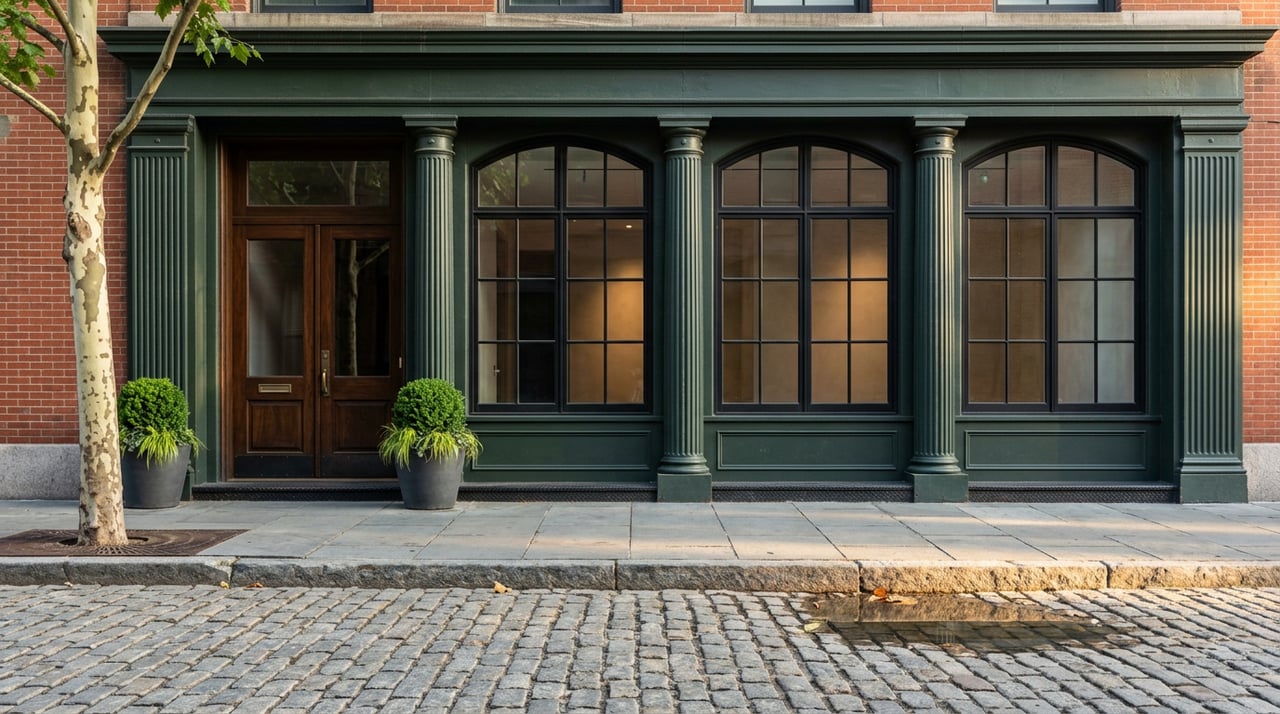
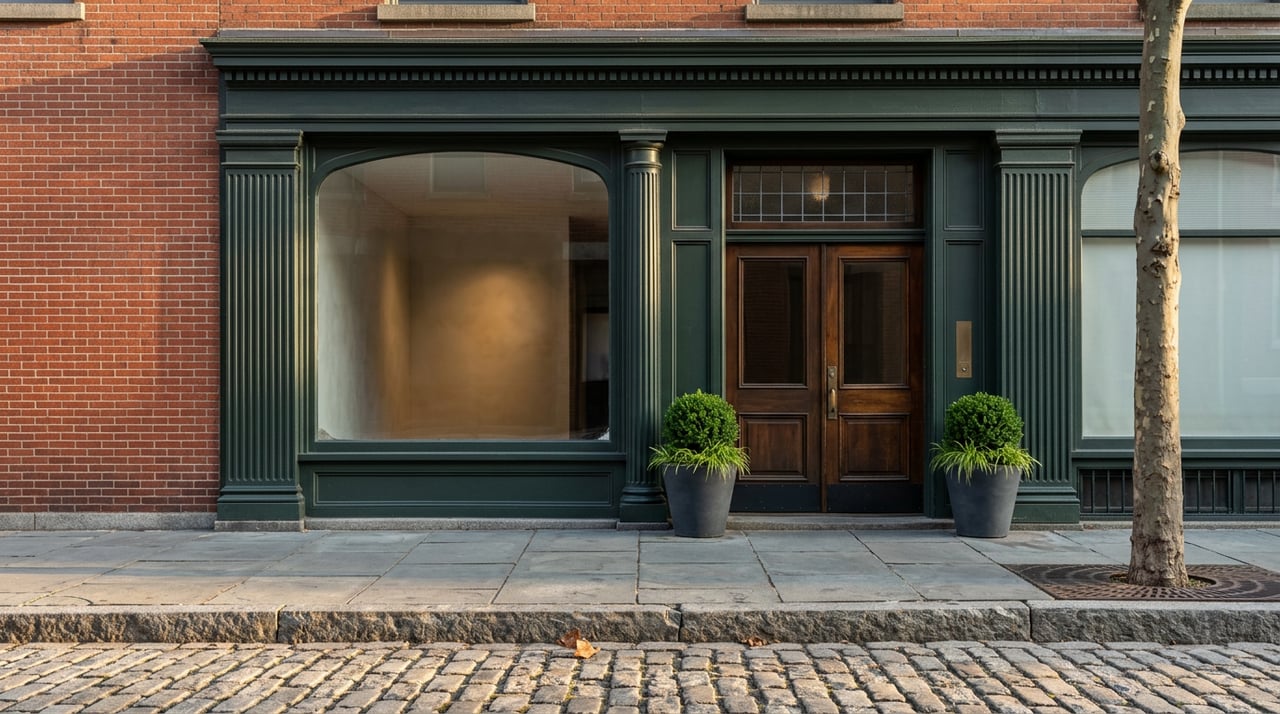
At the same time, the neighborhood still shows its industrial roots. Belgian block streets, broad metal awnings, plazas, and brick buildings help create a streetscape that feels distinct from many other downtown areas.
Design Defines the Neighborhood
If you care about architecture, Meatpacking stands out quickly. The landmarked core is the Gansevoort Market Historic District, which includes 104 buildings dating mostly from the 1840s through the 1940s.
The streetscape is generally low-rise, with one- to six-story buildings and a strong presence of brick facades. Building types include warehouses, market buildings, store-and-loft buildings, stables, factories, and residential-commercial hybrids.
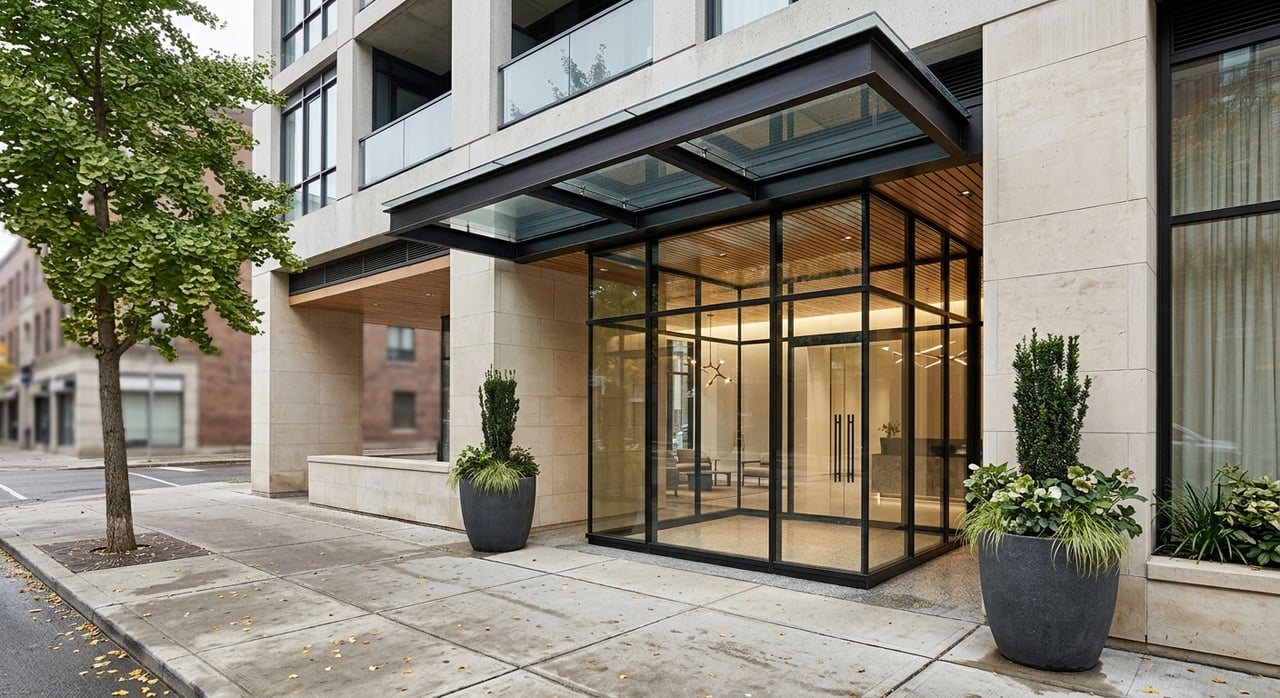
That history shapes the kind of homes you are likely to find. In practical terms, Meatpacking living is often more about converted or adapted industrial and mixed-use buildings than conventional tower apartments.
What that means for buyers
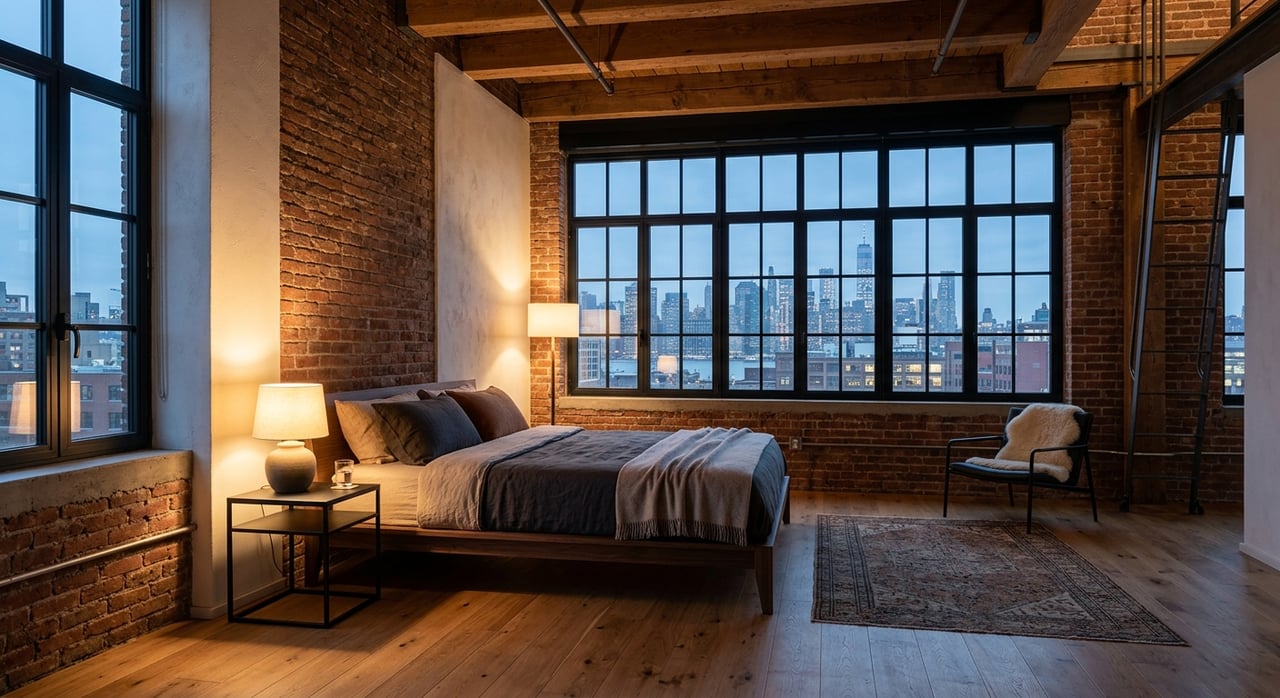
For a buyer, the appeal is often character and layout. You may find loft-like proportions, industrial details, and homes carved from older commercial structures rather than standard new-development floor plans.
That can create a more design-forward feel, but it also means every building should be evaluated on its own terms. In a neighborhood built on adaptive reuse, condition, window quality, and building-specific rules matter a lot.
Everyday Life Is Active and Walkable
One of Meatpacking’s biggest strengths is how much it packs into a small footprint. You are close to destination retail, restaurants, riverfront public space, and major cultural draws, all within an easy walk.
This creates a neighborhood rhythm that feels busy and connected through much of the day. For some residents, that constant motion is exactly the draw.
Parks and waterfront access
The neighborhood has unusually strong access to outdoor space for such a dense part of Manhattan. Hudson River Park’s Meatpacking waterfront includes Gansevoort Peninsula, which opened in 2023 with 5.5 acres of recreation, a beach, a dog park, boardwalks, and Hudson River access for non-motorized boats.
You are also near Little Island, which opened in 2021, and Pier 57, which reopened in 2023 with rooftop park space, a marketplace, and public gathering areas. These spaces add breathing room and make it easier to balance the neighborhood’s intensity with time outdoors.
The High Line connection
The High Line is another major part of daily life here. Access points at 14th Street, 16th Street, and 23rd Street make it easy to fold a walk, commute, or weekend outing into your routine.
That park connection is a major lifestyle advantage. It gives Meatpacking a more open, connected feel than you might expect from a nightlife-heavy area.
Transit Is Strong
If getting around easily matters to you, Meatpacking performs well. The 14th Street and 8th Avenue station serves the A, C, E, and L trains, which helps connect the neighborhood to the rest of Manhattan and beyond.
The 14th Street Busway also prioritizes buses, trucks, and emergency vehicles during daytime hours. That supports mobility, but it also reinforces the district’s active, high-traffic character.
Nightlife Is a Feature and a Tradeoff
There is no way around it: Meatpacking has energy late into the night. Official neighborhood materials have noted late-night taxi traffic, honking, and resident noise complaints linked to restaurant and nightclub activity.
Current official neighborhood pages also show venues with hours extending past midnight, including some open until 1 AM and 4 AM. If you are considering a home here, that should be treated as a core lifestyle factor, not a minor detail.
What nighttime noise can feel like
Noise in Meatpacking is not only about music. It can also come from traffic, people on the street, and the overall mix of late-night activity.
That means your experience may vary widely from one block, floor, or exposure to another. A home that looks ideal on paper can feel very different depending on window placement and the building’s construction.
Comfort Upgrades Matter Here
Because the neighborhood is so active, comfort often comes down to smart renovation choices. NYC Health recommends heavy curtains, double-pane or other sound-reducing windows, caulking and sealing air leaks, quieter appliances, and acoustic features such as panels or soundproof kitchen doors.
For buyers considering a unit with upside, these are not cosmetic details. In many cases, they are the upgrades that can most directly improve day-to-day livability.
Renovation in a landmarked setting
In landmarked parts of Meatpacking, comfort upgrades can overlap with preservation requirements. LPC technical resources point owners toward guidance for window repair and replacement, as well as storefront resources.
That is an important reminder if you are planning changes to windows or exterior-facing features. Design decisions here may involve both comfort goals and historic-district considerations.
Construction timing and planning
If you are planning work, NYC DEP says construction is generally allowed from 7 a.m. to 6 p.m. on weekdays. After-hours work requires authorization and a noise-mitigation plan.
For a buyer or seller, that makes planning especially important. In a neighborhood where design and building conditions matter, clear renovation strategy can help you avoid surprises.
Why Buyers Still Choose Meatpacking
For the right buyer, the neighborhood’s intensity is the point. Meatpacking offers a rare mix of historic architecture, design-driven spaces, late-night dining, strong transit, waterfront access, and a vivid street presence.
It does not try to be quiet or tucked away. Instead, it offers a highly specific downtown lifestyle that works best for buyers who want to be in the middle of a visually rich, active, and amenity-filled environment.
What Sellers Should Keep in Mind
If you are selling in Meatpacking, presentation and positioning matter. Buyers are often choosing not just a home, but a building type, a block experience, and a lifestyle tradeoff.
That means the most compelling listings usually address both sides of the story clearly. Architectural character, layout, and access to parks and dining are important, but so are practical details like window quality, renovation condition, and how the home handles sound.
In a neighborhood shaped by adaptive reuse, thoughtful pre-listing improvements can make a meaningful difference. Strategic updates that improve comfort and highlight design can help a property connect more strongly with design-oriented buyers.
If you are thinking about buying, selling, or upgrading a home in downtown Manhattan, working with an advisor who understands both the market and the renovation side can help you make better decisions. Corrin Thomas brings a design-led, practical approach to evaluating homes, planning improvements, and positioning properties for the market.
FAQs
What kind of homes are common in the Meatpacking District?
- Most homes are found in converted or adapted historic buildings, including warehouses, store-and-loft buildings, market structures, and other low-rise mixed-use properties rather than large residential towers.
Is the Meatpacking District noisy at night for residents?
- It can be, especially near late-night restaurants and bars. Official neighborhood materials note traffic, honking, and noise tied to nightlife activity, and some venues stay open until 1 AM or 4 AM.
What upgrades help with comfort in Meatpacking apartments?
- Sound-reducing windows, air sealing, heavy curtains, acoustic panels, quieter appliances, and similar noise-control upgrades are among the most relevant improvements cited by New York City health and environmental guidance.
Why do buyers choose the Meatpacking District in Manhattan?
- Many buyers choose it for its combination of historic architecture, design-oriented streetscape, strong transit access, destination retail and dining, the High Line, and Hudson River Park amenities.
What outdoor spaces are near the Meatpacking District?
- Nearby outdoor spaces include Gansevoort Peninsula, Little Island, Pier 57 rooftop park space, and the High Line, all of which add strong public-space access to daily life in the neighborhood.