Trying to choose between a classic Downtown loft and a new development condo in Lower Manhattan? It is a great problem to have, but it can also get expensive if you focus on the wrong details. If you are weighing charm against convenience, this guide will help you compare the real trade-offs in Tribeca, SoHo, and the Financial District so you can make a smarter move with confidence. Let’s dive in.
Lower Manhattan Is Not One Market
If you are shopping Downtown, the first thing to know is that Lower Manhattan is highly segmented. Tribeca, SoHo, and the Financial District may sit close together, but they often compete on very different strengths, price points, and buyer priorities.
StreetEasy currently shows median sale prices around $3.5 million in Tribeca, $3.4 million in SoHo, and $1.1 million in the Financial District. Its All Downtown page shows an average price per square foot of about $2,041, with Tribeca generally above that figure and FiDi below it. That spread matters because the right choice for you may depend as much on neighborhood product type as on your budget.
Corcoran’s 2Q 2026 Manhattan report also notes that active inventory fell 2% year over year and new development launches fell 37%. In plain terms, that helps explain why well-located homes in Downtown Manhattan can continue to hold pricing power, especially when they offer something hard to replace.
What Defines a Downtown Loft
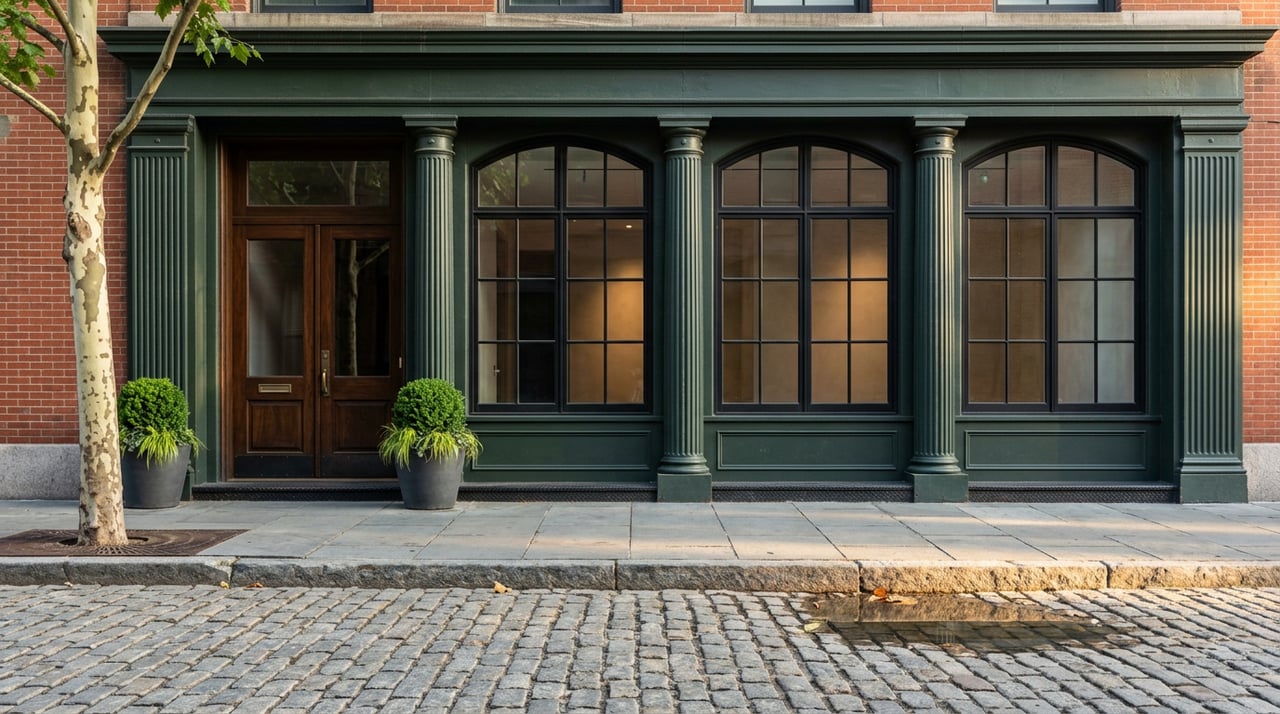
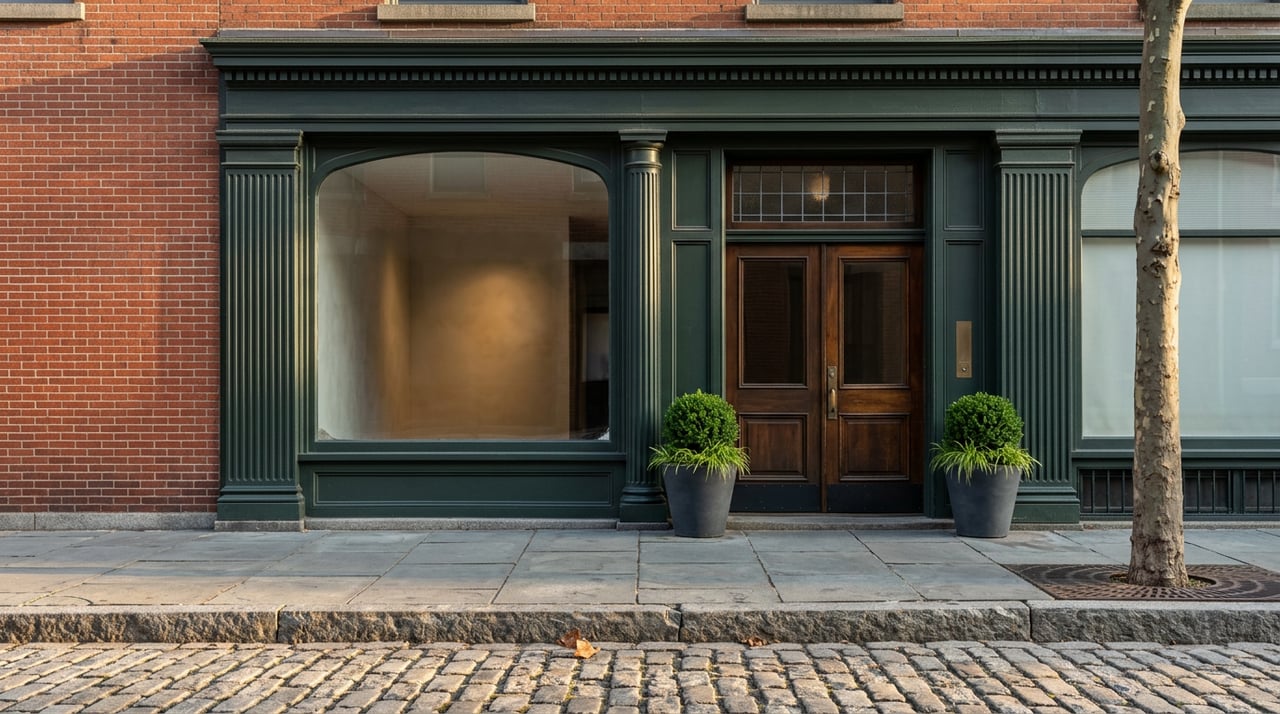
In SoHo and Tribeca, loft living is closely tied to former warehouse and textile buildings. That history is what gives many lofts their open layouts, oversized windows, and architectural character.
StreetEasy describes Tribeca’s old warehouses as having been renovated into large, light-filled lofts that command some of the city’s highest prices per square foot. In SoHo, former textile factories are known for creating open-floor-plan apartments. If you want volume, texture, and a home that feels distinct, this is often the product that stands out.
Why buyers love lofts
Classic lofts usually appeal to buyers who value space and originality over standardization. You may be drawn to features like exposed structure, flexible layouts, and a sense that the home has a story.
In a market like Tribeca or SoHo, that scarcity can support long-term desirability. For resale, the research shows these areas continue to reward light, architectural character, and limited supply.
Where loft ownership gets more complex
The trade-off is that older buildings can bring more maintenance and renovation risk. According to the New York Attorney General, some of the most expensive issues in existing buildings involve facade defects, roof and elevator repairs, plumbing, electrical upgrades, and boiler replacements.
That does not mean every loft is a problem property. It does mean you should evaluate the building as carefully as the apartment itself, especially if you are buying into a conversion with aging systems or deferred maintenance.
What Defines a New Development Condo
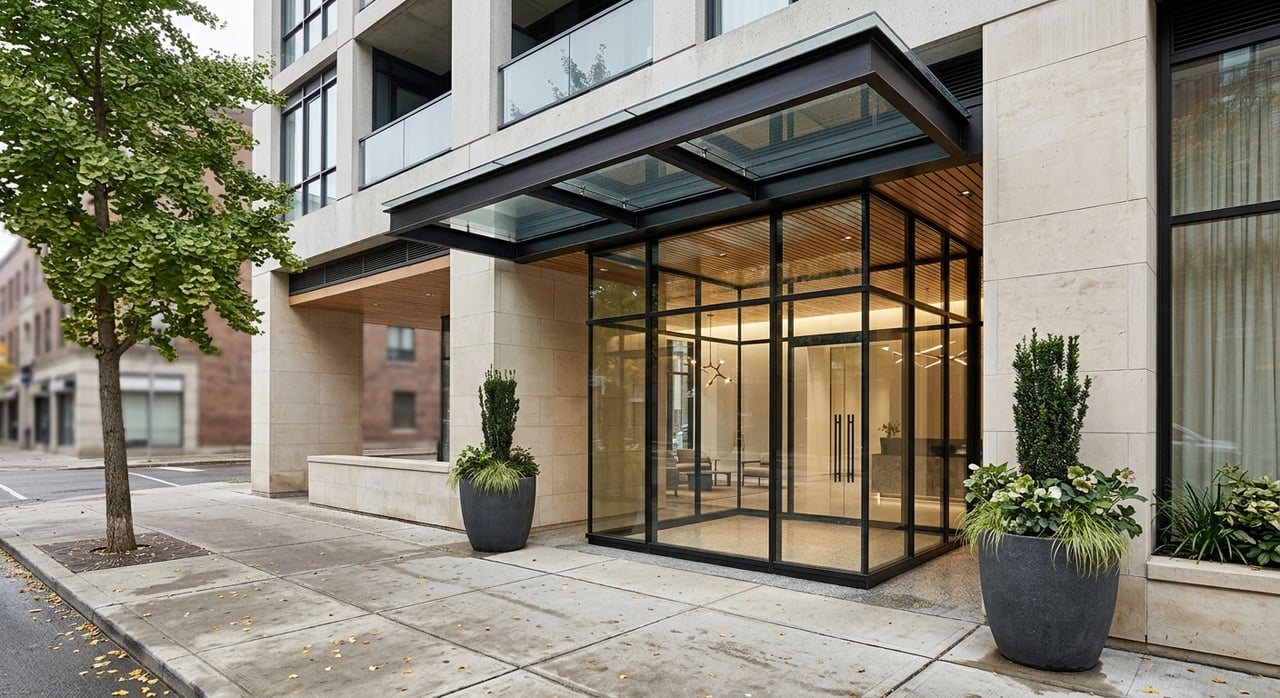
A new development condo is usually the opposite of a classic loft. Instead of one-of-a-kind character, the value often comes from standardized finishes, modern systems, and a more predictable ownership experience.
The New York Attorney General says the offering plan governs what the sponsor must deliver, including unit appliances and amenities. If something is not promised in the plan, the sponsor is generally not obligated to provide it. That makes the paperwork especially important, but it also gives you a clearer framework for what you are buying.
Why buyers choose new development
If you want a more plug-and-play purchase, a new condo can be appealing. The offering plan can spell out details about recreational facilities, landscaping, common areas, facade specifications, and other build details, which helps reduce guesswork.
In the Financial District, StreetEasy describes residents as often living in amenity-rich buildings with rooftop patios, and notes that more luxury-tier condos and rentals are coming on the market. For many buyers, that combination of convenience, amenities, and newer finishes is the main draw.
Where new development can disappoint
The biggest mistake buyers make with new construction is assuming the marketing package is the contract. It is not. The offering plan is what controls, so you need to verify finishes, appliances, amenity promises, and outdoor space details there rather than relying on brochures or renderings.
You should also remember that new does not mean perfect. Before closing, the Attorney General recommends testing appliances, plumbing, heating, and air conditioning, and comparing your walkthrough to the offering plan with a punch list.
Historic District Rules Matter
If you are leaning toward a loft in Tribeca or SoHo, historic district rules can affect what you can change. Many older buildings in these areas sit within LPC historic districts, where most exterior changes require review.
That can include work that affects the exterior, such as HVAC louvers and vents. If your vision depends on major exterior-related upgrades, you should understand those limits early so your renovation plan stays realistic.
How To Compare the Two Options
The best choice comes down to how you rank design character, predictability, future work, and resale strategy. A loft and a new development condo can both be excellent purchases, but they solve different problems.
Here is a simple way to frame it:
| Factor | Downtown Loft | New Development Condo |
|---|---|---|
| Layout feel | Often open and distinctive | Often more standardized |
| Architectural character | Usually a major selling point | Usually cleaner and more contemporary |
| Renovation risk | Often higher | Often lower at move-in |
| Building systems | May be older | Typically newer |
| Amenities | Varies by building | More often part of the package |
| Paperwork focus | Building condition and history | Offering plan details and sponsor promises |
| Resale angle | Scarcity, light, character | Convenience, amenities, ease |
Due Diligence Is Everything
Whether you buy a loft or a new condo, due diligence is where good decisions are made. In Lower Manhattan, this step can protect you from expensive surprises and help you understand what ownership will really look like after closing.
The New York Attorney General recommends reviewing the full offering plan and its amendments, not just the marketing materials, and consulting an attorney before signing. The most important sections to inspect include the Description of Property, appliance and model specifications, facade or warranty language, common-area disclosures, and sponsor promises related to amenities or outdoor space.
What to review in any building
You should also review materials that can reveal the building’s condition and future costs. In many cases, that includes:
- Board minutes
- Financial reports
- Violation histories
- Offering plan amendments
- Common-area disclosures
These documents can help surface deferred maintenance, likely capital work, or unresolved issues before you close.
Why walkthroughs matter
Before closing, test what you can. The Attorney General specifically recommends checking appliances, plumbing, heating, and air conditioning, then comparing the unit to the offering plan and documenting defects on a punch list.
That step is especially important in older loft conversions. The sponsor of an existing building conversion must disclose defects visible to its engineer or known to management, but disclosure alone does not guarantee the issue will be fixed for you.
Carrying Costs Can Shift the Math
Purchase price is only part of the decision. Your monthly and long-term ownership costs can make one option more attractive than the other.
Most Downtown condos are taxed as NYC tax class 2 properties, and the Department of Finance currently lists the class 2 property tax rate at 12.439%. The Department of Finance also says transitional assessed value phases in at 20% per year for class 2 condos and co-ops with more than 10 units.
The condo property tax abatement is available only if the unit is your primary residence, and the managing agent or board must file on behalf of the development. Water and sewer are billed separately by the Department of Environmental Protection based on metered use.
Loft vs condo cost exposure
In practical terms, older lofts may come with more exposure to capital assessments and renovation spending over time. Newer condos may reduce renovation uncertainty and create a shorter path to resale if your goal is convenience and low friction.
That does not make one better than the other. It means you should compare the total ownership picture, not just the purchase price or the look of the finishes.
Which Choice Fits Your Goals?
If you care most about volume, authenticity, and architectural identity, a loft in Tribeca or SoHo may feel worth the added complexity. These homes often stand out because they offer something that is hard to reproduce.
If you want easier day-one living, more predictable finishes, and amenity-driven convenience, a new development condo may be the cleaner fit. That can be especially appealing if you value speed, simplicity, or a more straightforward future resale story.
For many buyers, the real answer is not loft versus condo. It is whether you want to spend your budget on character, convenience, or a balance of both. That is where informed building review, renovation clarity, and neighborhood context matter most.
If you are deciding between Downtown product types, working with someone who can evaluate both the apartment and the likely scope behind the walls can save you time and help you avoid expensive assumptions. If you want a smart second opinion on a loft conversion, a new development condo, or the trade-offs between the two, connect with Corrin Thomas.
FAQs
What is the main difference between a Downtown loft and a new development condo in Lower Manhattan?
- A Downtown loft usually offers more architectural character and open space, while a new development condo usually offers newer systems, more standardized finishes, and a more plug-and-play ownership experience.
What should you review before buying a condo in Lower Manhattan?
- You should review the full offering plan and amendments, plus board minutes, financial reports, violation histories, and disclosures about common areas, finishes, amenities, and building condition.
Why are Tribeca and SoHo lofts often more expensive than Financial District condos?
- Research shows Tribeca and SoHo often command higher pricing because buyers value scarcity, light, open layouts, and architectural character, while the Financial District tends to compete more on value, views, and amenities.
Do historic district rules affect loft renovations in SoHo and Tribeca?
- Yes. Many older buildings in SoHo and Tribeca are in LPC historic districts, so most exterior changes require review, including some work related to vents or HVAC elements that affect the exterior.
How are property taxes handled for many Lower Manhattan condos?
- Most Downtown condos are taxed as NYC tax class 2 properties, with the current class 2 rate listed by the Department of Finance at 12.439%, and some owners may qualify for the condo tax abatement if the unit is their primary residence and the development files for it.