Stand on the corner of Bond Street and Lafayette on a Thursday evening in July and count the eras within a single block. A landmark 1831 townhouse now pours cocktails. A whiskey distillery, the first legal one in Manhattan since Prohibition, runs tastings out of a Broadway storefront. A pastry counter that opened in December is selling out by noon. An Off-Broadway theater founded in 1954 is prepping curtain. NoHo is roughly ten blocks. Almost every corner is layered like this.
That density is the whole point of living here, and it is the thing most guides get wrong. They treat NoHo as a footnote between SoHo and the East Village, a passthrough. For residents, it is the opposite. It is a compact stage where every storefront is doing something specific, and where a single Saturday can reasonably include a matcha line, a curator-led museum tour, a Guinness at a bar older than most of the block, and a play written this year.
Bond Street Is Doing More Work Than Any Two-Block Stretch in the City
Bond Street runs three blocks. It carries cast-iron facades, cobblestones, and a run of buildings that predate the Civil War. As of summer 2026, it is also carrying an unusual cluster of new hospitality.
Jac's on Bond opened inside a landmark 1831 townhouse that most recently housed The Smile café. The team behind it also runs Pebble Bar, Ray's, and Georgia Room, and they leaned into the building's history rather than papering over it. The space traces back through what the NoHo BID describes as centuries of "commerce with creatives, hooligans, gambling, and progressive protests." That is a lot of resume for a bar, and the design reflects it.
A few doors away, Il Buco has been serving pasta, risotto, and steak in a room styled like a farmhouse for long enough that it now qualifies as a NoHo institution rather than a scene. That combination is what makes Bond Street function the way it does. A new bar in a 195-year-old building sits next to a restaurant that has quietly held its place for decades. Neither cancels the other out.
Two blocks north on East 4th, the Merchant's House Museum preserves the interior of a wealthy family's 1832 home with more than 3,000 original items in place. It has been an official City museum since 1936. If you have lived in NoHo for a year and never gone in, this summer's small-concert programming is the excuse.
What Has Actually Opened Recently
The neighborhood's food inventory has turned over more than casual visitors would guess. Here is what has landed in the last twelve months, all still within the roughly ten-block area bounded by Broadway, Bowery, Astor Place, and Houston:
- Foreigner NYC's second location, on the strength of a viral Chelsea café, now sells the Crème Brûlatte and a maple sea salt cold foam variation called the cloud top out of a NoHo storefront.
- Shifka, a Mediterranean lunch counter reviewed by The Infatuation in February, has become a workday pita and bowl option that reliably has a line at 12:45 and a seat at 2:15.
- Bub's Bakery, which opened in December 2025, is an allergen-free bakery. If you have a gluten-free friend who has been quietly annoyed at every NoHo brunch invitation for two years, this is the fix.
- Welcome to NoHo, Guest opened at the corner of Bleecker and Broadway with coffee, tea, pastries, and a light breakfast and lunch menu while its full concept comes online.
- Go Greek, an LA-born frozen yogurt shop, has quietly become a summer default for anyone walking back from Washington Square.
- 12 Matcha takes its product seriously enough that the line functions as a signal in itself.
Two things are worth pulling out of that list. First, none of these are chains parachuting in with a generic template. Even the imports (Foreigner NYC, Go Greek) landed in NoHo with something specific to sell. Second, the openings skew toward daytime and counter service rather than another round of tasting-menu spots. That is a shift. Five years ago, new NoHo openings meant reservations two weeks out. In 2026, a lot of what is new is designed to be used on a Tuesday morning.
The dinner list has held its ground in parallel. Il Buco, Raf's, Fish Cheeks, Atla, Torien, and Yoshino continue to draw from well past the neighborhood, which is why Saturday walk-ins are still a bad bet.
The Public Theater, By the Numbers
Everyone in NoHo knows the Public Theater is there. Fewer residents use it as often as they could, and part of the reason is that the building itself is confusing. It contains five separate performance spaces, each with its own personality and price point.
| Space | Approximate seats |
|---|---|
| Anspacher Theater | 275 |
| Newman Theater | 299 |
| Martinson Theater | 199 |
| LuEsther Hall | 160 |
| Shiva Theater | 99 |
The Public was founded in 1954 by Joseph Papp as the Shakespeare Workshop. It also operates Joe's Pub at the Astor Place venue, which functions as a small concert hall on a night when you cannot commit to a full play. A 99-seat Shiva show and a 275-seat Anspacher show are different experiences at different prices, and knowing that lets you buy tickets like a resident instead of a tourist.
Two blocks south, the Astor Place Theatre keeps the Off-Broadway momentum going as a longtime home for smaller, more experimental work. Between the two venues, a NoHo Thursday can run cheaper than a dinner out.
Great Jones Distilling and the Case for the Boring Weekend
Great Jones Distilling Co. sits at 686 Broadway. It is, by its own accurate description, the first legal whiskey distillery to open in Manhattan since Prohibition. Tours walk through the distillation process, the grain sourcing (New York-grown), and end with a tasting of three whiskeys: a Straight Bourbon, a Four Grain Bourbon, and a Rye. The building also contains a speakeasy, a restaurant, and tasting rooms.
The reason to mention this in a lifestyle post is not the whiskey. It is that Great Jones is one of a small handful of NoHo destinations that make sense for the moment when out-of-town guests are in your apartment and you have already done the High Line twice. Distillery tours are a category of activity most residents never think to book in their own neighborhood. It is a fifteen-minute walk from most NoHo apartments and does not require a reservation two weeks out.
Saturday, August 2. Also August 9. Also August 16.
The single biggest change to NoHo's summer rhythm this year is not a restaurant. It is Summer Streets. The 2026 Manhattan route runs from the Brooklyn Bridge to Inwood on three consecutive Saturdays: August 2, August 9, and August 16. Lafayette Street is the spine of the route, which means NoHo residents can walk out their front door onto a car-free avenue that stretches nearly the length of Manhattan.
The practical implication is worth sitting with. On those three Saturdays, the walk from Bond Street to the Brooklyn Bridge is uninterrupted. So is the walk from Bond Street to Central Park. For a neighborhood whose main axis runs through the middle of the route, this is the closest thing to a temporary conversion of the surrounding city.
A workable Summer Streets Saturday from a NoHo starting point:
- Coffee and a pastry at Welcome to NoHo, Guest or Foreigner NYC.
- Walk south on Lafayette toward the Brooklyn Bridge with a stop at the NYU Grey Art Museum, which is currently running "Make Way for Berthe Weil" with periodic curator tours.
- Lunch at Shifka, Fish Cheeks, or Raf's, depending on the line.
- Afternoon at the Merchant's House Museum or a Great Jones Distilling tour.
- Off-Broadway at the Public or a set at Joe's Pub.
- A pint at Swift Hibernian Lounge, which The Infatuation quietly calls one of the best places in the neighborhood to pull a proper Guinness.
That routine does not require leaving a six-block radius after the morning walk. It also does not appear on any tour itinerary, which is precisely the point.
The reason people who live in NoHo tend to stay in NoHo on weekends is not that they cannot be bothered to leave. It is that the neighborhood was built to be used at this density.
The Architectural Backdrop That Makes All of This Work
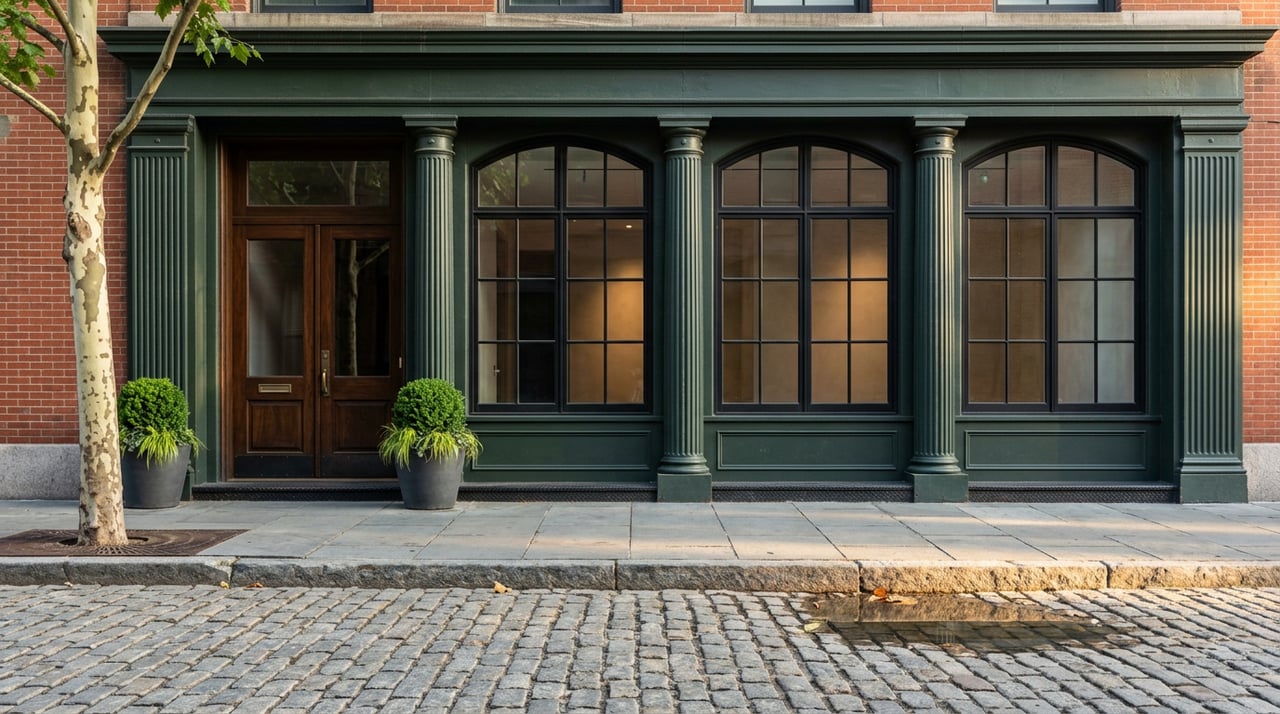
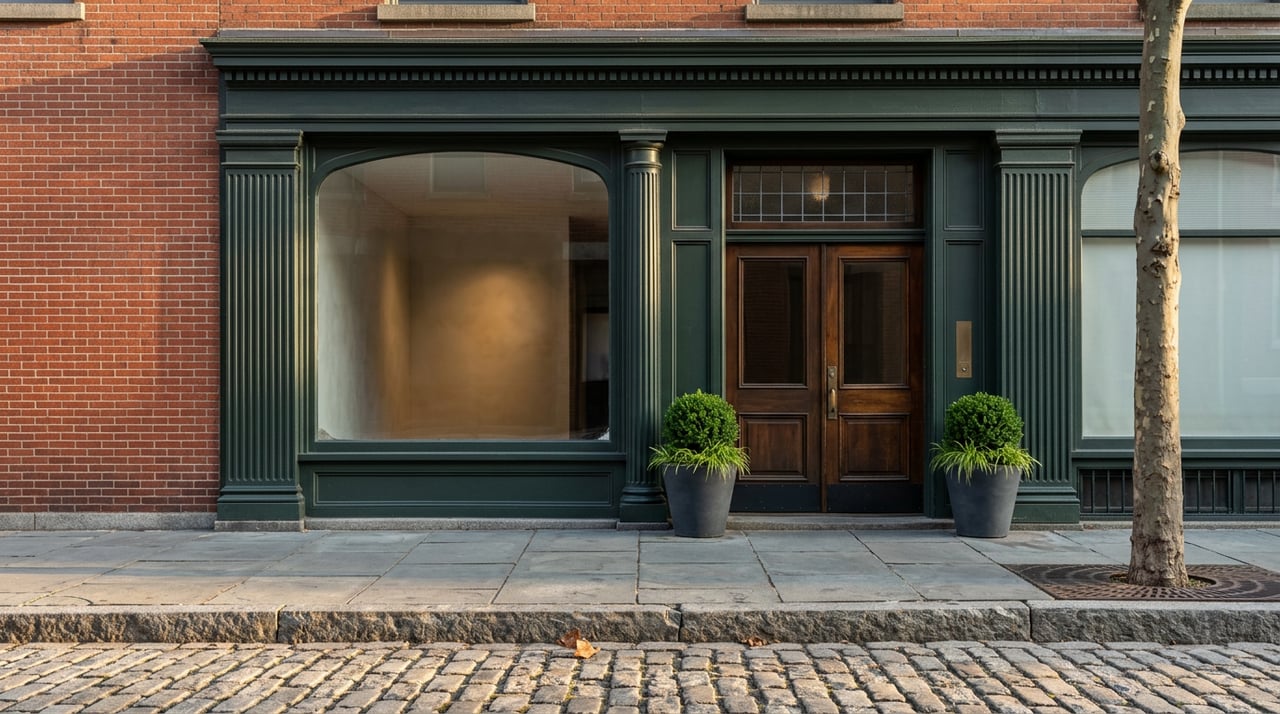
None of the above happens the same way in a different neighborhood, and the reason is the buildings. NoHo's cast-iron facades, cobblestone sections of Bond and Great Jones, and pre-Civil War townhouses give the ground-floor tenants something to work with. Jac's on Bond is not the same bar in a glass podium on Sixth Avenue. Great Jones Distilling is not the same experience in a strip mall. The Public Theater's five stacked spaces exist because the original 1854 Astor Library building could hold them.
This is why NoHo remains a specific kind of Manhattan address rather than a generic downtown one. The Landmarks Preservation Commission's NoHo Historic District and its later extensions locked in the frame. Everything since has been about what tenants do inside it.
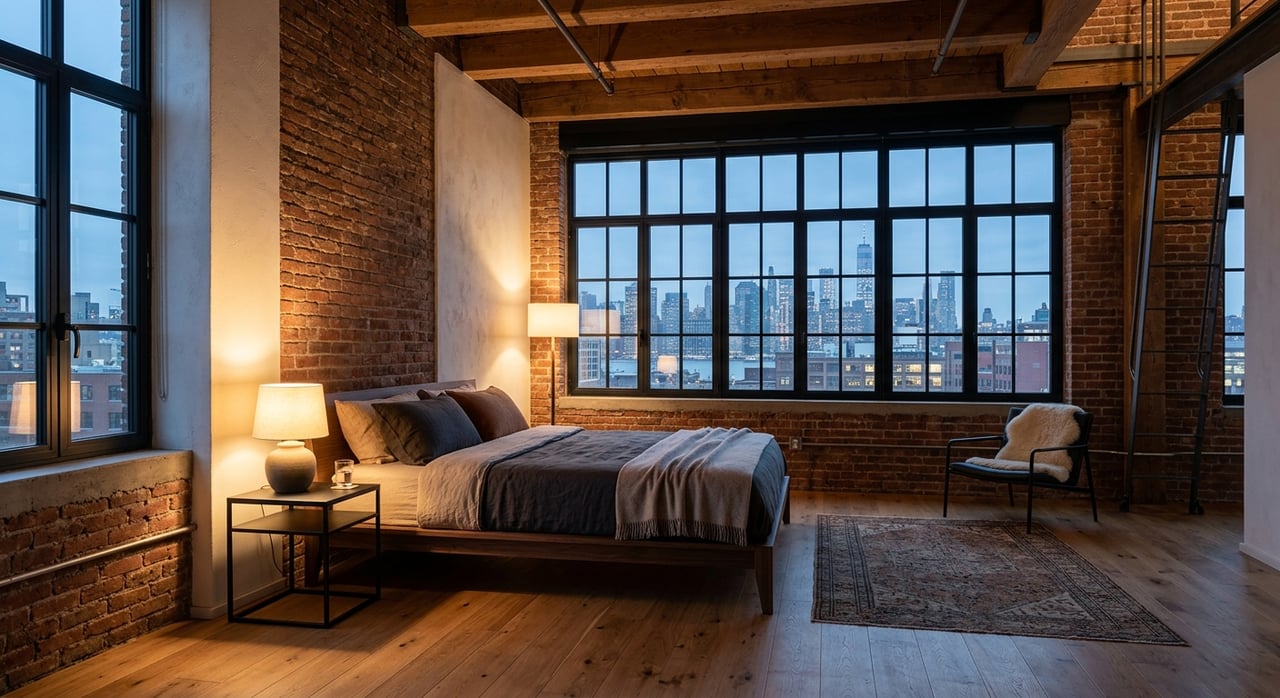
For anyone thinking about the housing side of the neighborhood, the same buildings that give the ground floor its character shape the apartments above. Loft floor plates, cast-iron structural columns, and window walls that read as a rhythm on the facade are not decorative choices but consequences of how these buildings were originally built for manufacturing and warehousing. That is a separate conversation, and one we cover in our NoHo neighborhood guide and in a prior post on whether NoHo lofts are still smart condo investments.
The Short Version
NoHo in summer 2026 rewards residents who treat it as a full-service neighborhood rather than a corridor between other places. New openings on Bond, Bleecker, and Broadway have added weekday texture. Summer Streets on three August Saturdays temporarily rewrites the geography around Lafayette. The Public and the Astor Place Theatre are still running seasons that most locals under-use. And the through-line is the buildings themselves, which is the same reason people who move to NoHo tend to stay.
If you are thinking about your next move within or into the neighborhood, or you are curious what a design-forward NoHo loft is worth in the current market, The Thomas Team works this footprint carefully. Start with a straight answer to the first question most owners have: find out what your New York home is worth.