Renovating in Brooklyn can change your home and your equity, but the type of ownership you buy into often changes your budget more than the finishes you pick. If you are comparing a co-op in Park Slope to a condo in DUMBO, you are not just choosing a neighborhood. You are choosing a rulebook that affects approvals, timing, and hard costs. In this guide, you will learn the budget drivers that shift between co-ops and condos, the city rules that add time and money, and the building quirks that can turn a straightforward plan into a complex project. Let’s dive in.
Co-op vs. condo: what changes your budget
Approval power and timeline
Co-op boards have broad discretion over buyers and in-unit work. They review detailed board packages, may interview you, and often require an alteration agreement and building engineer signoff before any work starts. That oversight can affect your scope and your schedule. For background on board control and approvals, see this overview of the board approval process.
Condos usually cannot block a purchaser except by exercising a narrow right of first refusal. Renovation requests in condos often go through building management rather than a full board review. The difference shows up in timing and carrying costs. Many co-op approvals add about 4 to 8 weeks from submission to decision, which can delay permit filings and push your construction window. See this market timeline context on co-op board approvals.
Monthly costs and liquidity
Co-op monthly maintenance typically includes the building’s property taxes and sometimes an underlying mortgage. Condo owners pay common charges plus a separate property-tax bill. When you compare two listings, translate maintenance and taxes into a single monthly carry number. Boards often require proof of post-closing liquidity as part of approval, so the true monthly number matters when you plan a renovation timeline.
Approvals and board rules that add cost
Paperwork and practical differences
A typical co-op application includes tax returns, pay stubs or an employment letter, bank statements, references, the purchase contract, and mortgage commitment. If you plan alterations, you may also need a building engineer review. Packages can be long and take time to assemble. For a sense of common requirements, review this sample co-op application checklist. Condos also request documents and house-rule acknowledgements, but they rarely do invasive interviews and usually cannot refuse a purchaser except via right of first refusal. The practical effect is less friction and faster approvals in many condo buildings.
Alteration agreements and deposits
Most co-ops and condos require an alteration agreement before work begins. Expect requirements for contractor insurance naming the building as additional insured, licenses, a refundable security deposit, and protection of common areas. Larger jobs often require engineer or architect signoff. Failure to follow these rules can lead to building charges or denied final approvals. Legal materials outline how buildings manage alteration conditions and insurance; see this practical checklist on board oversight and alteration agreements.
For deposits and fees, buildings often collect a refundable construction deposit. Examples commonly fall around 1,000 dollars for small jobs and rise with scope. There can also be attorney review fees, elevator protection, and move-in coordination charges. Treat these as line items to confirm early with management, as summarized in this guide to co-op rules and renovation fees.
A 2026 change that can hold permits
As of January 26, 2026, the Department of Buildings requires a stakeholder attestation in DOB NOW for unit-owner or shareholder alteration filings. A board or management representative must attest electronically that the filing is authorized before the DOB will proceed. If management is slow to attest, your permit is delayed. A legal summary of the change is available here: DOB stakeholder attestation requirement.
City permits that drive cost and schedule
When permits are required
Most apartment alterations require DOB approval and a permit. Cosmetic work like painting or replacing cabinets in place can be exempt. Moving walls, adding new plumbing or gas, major electrical changes, and structural work generally require a permit and a design professional. Misfiling or skipping a required permit risks a stop-work order and insurance issues. Review DOB guidance on when you need a permit and budget for architect or engineer fees, plan examiner comments, and possible resubmissions.
Work hours and noise rules
NYC permits construction on weekdays from 7:00 AM to 6:00 PM. Weekend or after-hours work usually needs authorization and a posted Construction Noise Mitigation Plan. Many buildings further restrict on-site hours or noisy work windows. That can compress certain phases into smaller blocks of time and increase labor costs. See the Department of Environmental Protection’s construction noise rules for context.
Landmarks, façade obligations, and emissions laws
If your building is in a historic district or is a designated landmark, exterior-visible work such as windows, stoops, or rooftop elements needs Landmarks Preservation Commission approval before DOB permits. That review can add months and require specific materials. Learn about LPC permits here: performing work on a landmarked property.
For buildings taller than six stories, façade inspections fall under the Façade Inspection and Safety Program (formerly Local Law 11). Unsafe conditions can trigger sidewalk sheds and large capital projects, which often lead to assessments and can affect the board’s timing and tolerance for in-unit work. Review DOB’s FISP guidance.
Large buildings can also be subject to Local Law 97 emissions limits, which may drive boiler upgrades or electrification work and future assessments. Read the DOB’s processing FAQs and Local Law 97 guidance.
Building type and neighborhood factors
Brownstones and prewar co-ops
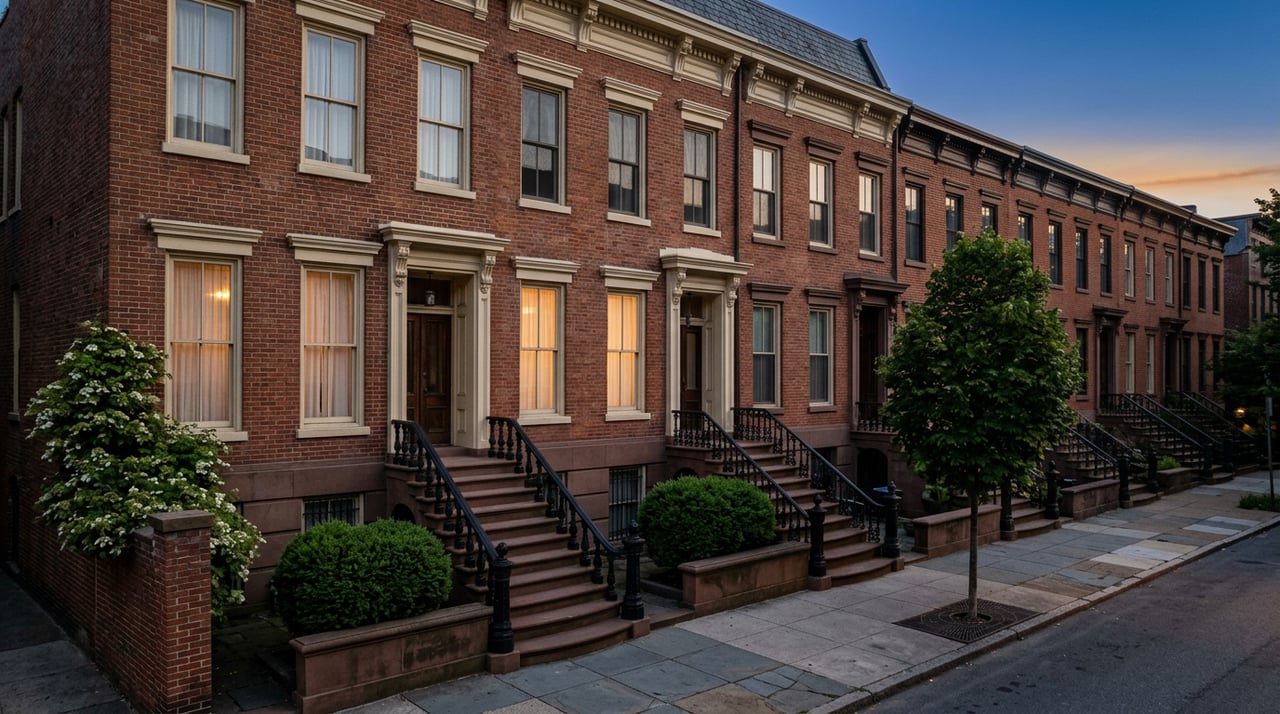
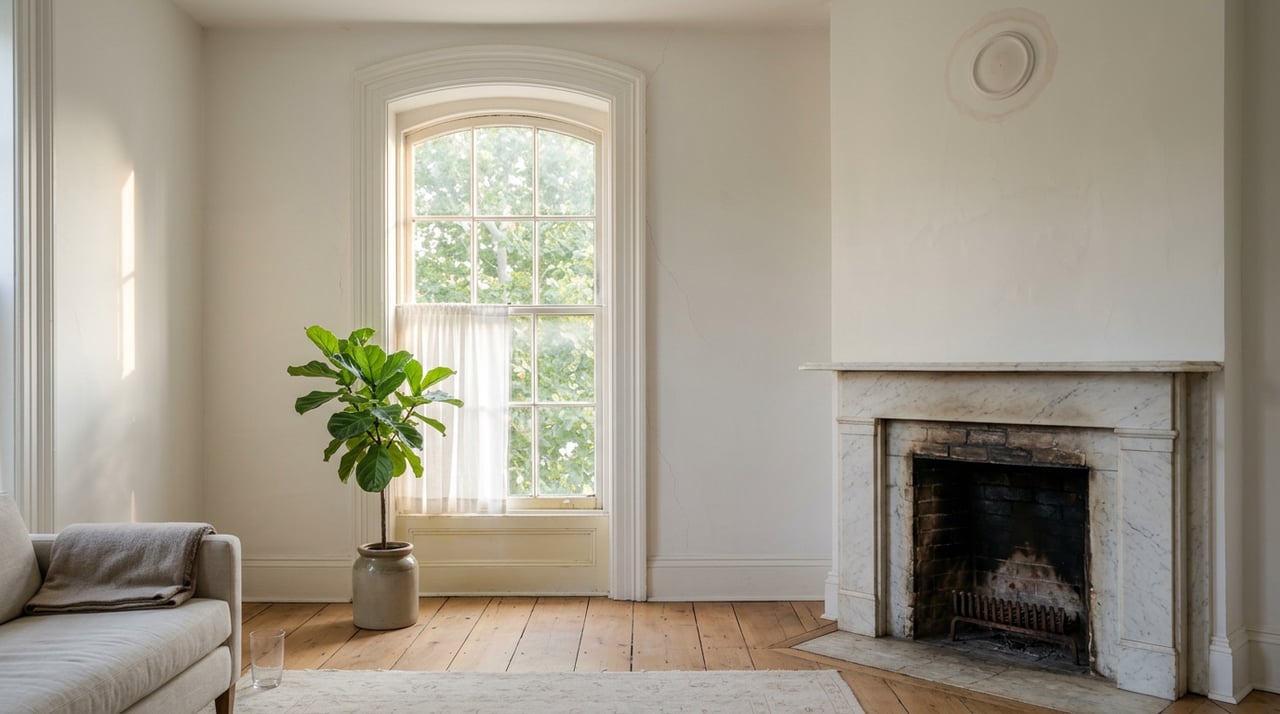
Prewar brownstones and older co-ops look romantic, but they hide real cost drivers. Narrow stairs can complicate deliveries. Plaster walls and ceilings are slower to repair than drywall. Old plumbing and wiring often need replacement once walls open. Structural leveling, joist sistering, or stair modifications are common and can be expensive. Market guidance for Brooklyn full gut projects often ranges from 300 to 600 dollars per square foot, with higher outliers for complex structure or high-end finishes. See a current NYC cost guide here: apartment renovation cost ranges.
Because hidden conditions are common, carry a contingency of 10 to 20 percent. Brownstones and older co-ops should plan for the high end of that range.
Waterfront towers and conversions
Waterfront areas like DUMBO, Williamsburg, Red Hook, and Coney Island add a flood factor. If a building sits in a FEMA special flood hazard area or a projected floodplain, you may need to elevate mechanicals or take other mitigation steps. Flood insurance can also add to carrying costs. Check your address on the FEMA Flood Map Service Center and discuss how building-wide resilience plans or Local Law 97 obligations could affect assessments and timing.
Budget builder: your line items
Use these buckets to model a realistic renovation budget for a Brooklyn co-op or condo. Refine with actual contractor bids and building rules.
Hard construction cost per square foot
- Cosmetic refresh (paint, floors, cabinets in place): about 100 to 300 dollars per square foot.
- Full renovation (layout changes, new kitchen and baths, electrical or plumbing upgrades): about 300 to 600 dollars per square foot in Brooklyn.
- High-end gut or structural work: 600 dollars per square foot and up in complex cases.
- Source: NYC cost ranges from Rauch Architecture.
Soft costs
- Design, engineering, filing or expediting, and legal commonly run 8 to 15 percent of construction. Higher if you need LPC approvals or complex DOB filings.
Carrying costs and temporary housing
- Keep paying mortgage and maintenance or common charges during work. Add utilities, insurance, storage, and short-term housing if you must move out. Temporary housing for full guts in NYC often ranges from 3,000 to 10,000 dollars per month.
Building and board charges
- Application fees, attorney review, refundable construction deposits, elevator protection, and move-in or move-out fees. Examples of deposits around 1,000 dollars are common for small jobs but can be higher for larger scopes. Confirm early with management. See co-op renovation fee examples.
Contingency
- Plan 10 to 20 percent of construction. Use the high end for older co-ops and brownstones where hidden conditions are likely.
Special city or building costs
- Possible LPC material requirements, façade-related costs if a shed is required, noise mitigation measures for after-hours work, and per-unit shares of emissions or resilience projects in larger buildings. Review DOB’s FISP guidance if your building is over six stories.
Two sample scenarios to frame your numbers
These examples are illustrative. Your building rules, DOB filings, and trade bids will set the actual budget.
Scenario A: Park Slope co-op, 1,000 sq ft, one-bed conversion and gut
- Hard construction at 350 dollars per square foot: 350,000 dollars
- Soft costs at 10 percent: 35,000 dollars
- Board and management fees, COI, application, refundable deposit: 2,000 to 10,000 dollars (confirm with the building)
- Temporary housing for four months at 6,000 dollars per month: 24,000 dollars
- Contingency at 15 percent: 56,250 dollars
- Estimated total: about 467,000 to 480,000 dollars plus carrying costs and any LPC or exterior work if applicable
- Note: Brownstone or prewar structural surprises like joist sistering or stair modifications can add 10,000 to 60,000 dollars or more. Cost ranges align with NYC apartment renovation guidance.
Scenario B: DUMBO waterfront condo, 1,000 sq ft, two-bed gut in or near a floodplain
- Hard construction at 400 dollars per square foot: 400,000 dollars
- Soft costs at 12 percent: 48,000 dollars
- Flood-mitigation allowance for elevating mechanicals or dry floodproofing: 20,000 to 80,000 dollars (site dependent; check your address on FEMA flood maps)
- Temporary housing for three months at 6,000 dollars per month: 18,000 dollars
- Contingency at 15 percent: 72,600 dollars
- Estimated total: about 558,000 to 618,000 dollars depending on mitigation scope and building rules
- Note: If the building is subject to Local Law 97 or has major façade or roof work scheduled, expect assessments that change your carrying costs and timing.
Due diligence checklist before you buy or start
Board policies and alteration rules
- Request the alteration agreement, house rules, required insurance wording, elevator reservation rules, and deposit amounts. Ask management for typical response times for approvals and DOB NOW attestations. Use this sample co-op application checklist as a reference.
Building financials and minutes
- Review reserves, planned capital projects, recent special assessments, and any LL97 or FISP obligations. See DOB’s façade safety program for context.
DOB and LPC history
- Pull the building’s recent permit and violation history and look for structural or façade issues that could affect timing or create assessment risk.
Flood exposure
- For waterfront zones, check the FEMA Flood Map Service Center. Factor in the cost of flood insurance, elevator protection, and jobsite logistics for deliveries and hoisting.
Contractor qualifications
- Require a DCWP Home Improvement Contractor license where applicable, DOB registrations when needed, and proof of workers’ compensation and general liability insurance. Confirm if your building maintains an approved-contractor list.
Schedule buffer
- Add time for board review, DOB plan exam and objections, owner or board attestations, and product lead times. A moderate gut often runs 2 to 6 months on the calendar, with longer timelines for structural or landmarked work.
How we help you plan, price, and execute
When you combine New York brokerage with construction intelligence, you get better outcomes. Our team integrates valuation, board strategy, and scope design from day one, so you can model costs and ROI before you commit. We translate board rules into a clean budget, manage filings with your design team, and calibrate finish choices to your target buyer if you plan to sell. If you want a polished plan for a Brooklyn co-op or condo, with realistic numbers and a clear timeline, we are here to help.
Ready to see what your home could be worth and what it would cost to improve? Connect with Corrin Thomas to map your renovation, refine your budget, and position your property with confidence.
FAQs
What is the biggest budget difference between a Brooklyn co-op and a condo renovation?
- Co-ops add more approval steps and oversight, which can extend timelines and carrying costs, while condos often move faster due to limited board power and simpler reviews.
How long can co-op approvals delay a Brooklyn renovation start?
- A common range is about 4 to 8 weeks from submission to decision, which can push DOB filings and the construction start for your unit.
Do I need a DOB permit for a kitchen or bath remodel in a Brooklyn apartment?
- If you move walls, add or relocate plumbing or gas, or do major electrical or structural work, you should expect to file with the DOB and hire a design professional.
What renovation deposits and building fees should I expect in a co-op or condo?
- Many buildings require a refundable construction deposit, attorney review fees, elevator protection charges, and move-in or move-out fees, with amounts set by scope and building rules.
How do landmark rules affect a brownstone renovation budget in Brooklyn?
- Exterior-visible changes like windows or rooftop elements need LPC approval, which can add months and require specific materials that increase costs.
How do flood zones change DUMBO or Williamsburg condo renovation budgets?
- Units in or near FEMA flood zones may need elevated mechanicals or floodproofing and can carry higher flood insurance costs, adding to both hard and carrying costs.
What contingency should I carry for older co-ops or brownstones?
- Plan for 10 to 20 percent of construction, using the high end for prewar and brownstone buildings where hidden conditions are common.