Choosing between Chelsea and the West Village feels a lot like choosing between a sunlit art gallery and a classic brownstone parlor. You want the right canvas for your life, not just a street name on your mail. In this guide, you’ll compare vibe, architecture, parks, dining, noise, transit, ownership rules, and pricing so you can decide with confidence. Let’s dive in.
Quick feel: West Village vs. Chelsea
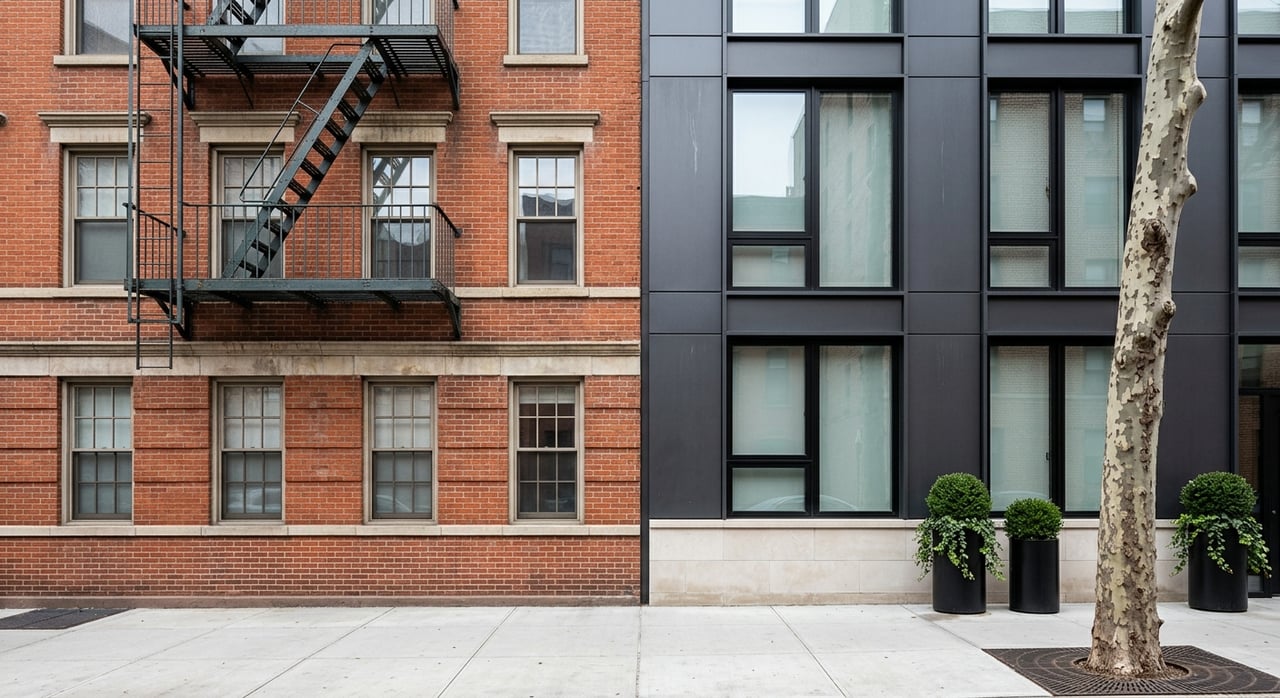
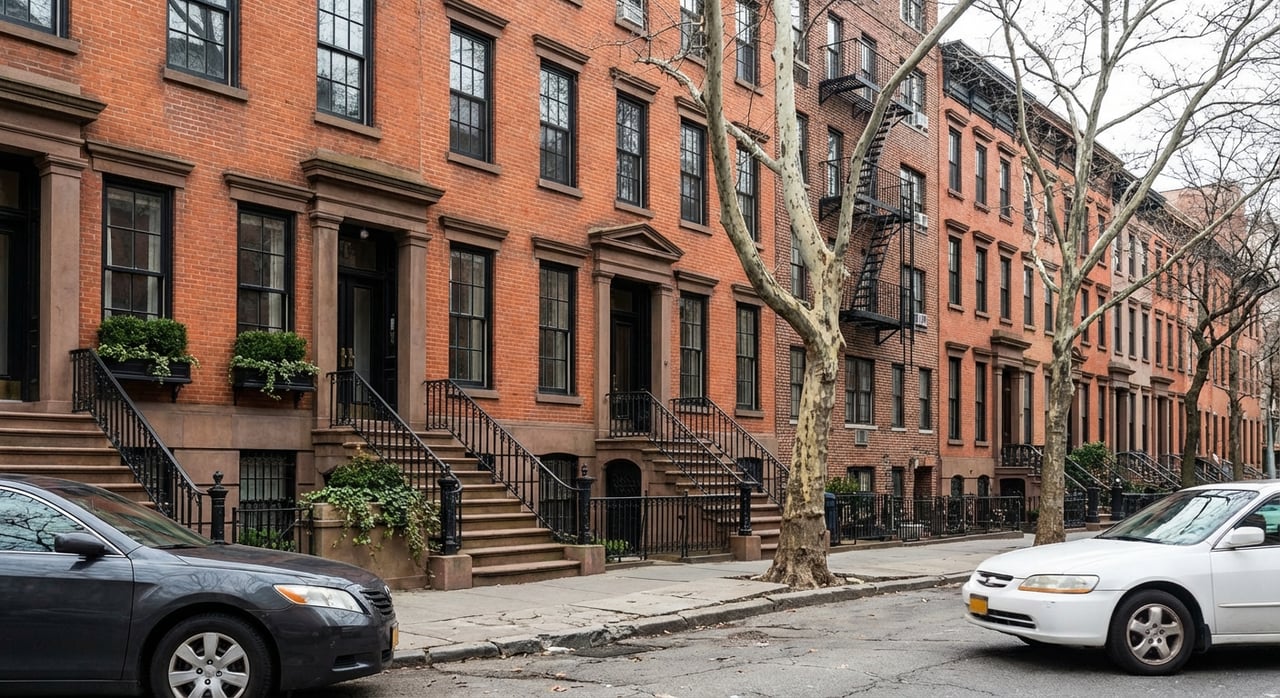
The West Village reads as intimate and historic. Blocks are low-rise, many streets are off the grid, and landmark protections keep buildings human in scale. That is a big reason the neighborhood still feels like a village of townhouses, small gardens, and neighborhood storefronts, as documented by the NYC Landmarks Preservation Commission’s Greenwich Village Historic District story map.
Chelsea is broader and more varied. Its creative energy is anchored by the elevated High Line park and the destination draw of Chelsea Market. West Chelsea in particular blends galleries with former warehouses and newer condos, which shifts daily foot traffic and brings a more programmed, cultural pace.
Design-minded headline: If you crave historic millwork, stoops, and garden adjacency, the West Village is your brief. If you want open volume, oversized windows, and flexible layouts, lean toward Chelsea.
Architecture and interiors
West Village homes
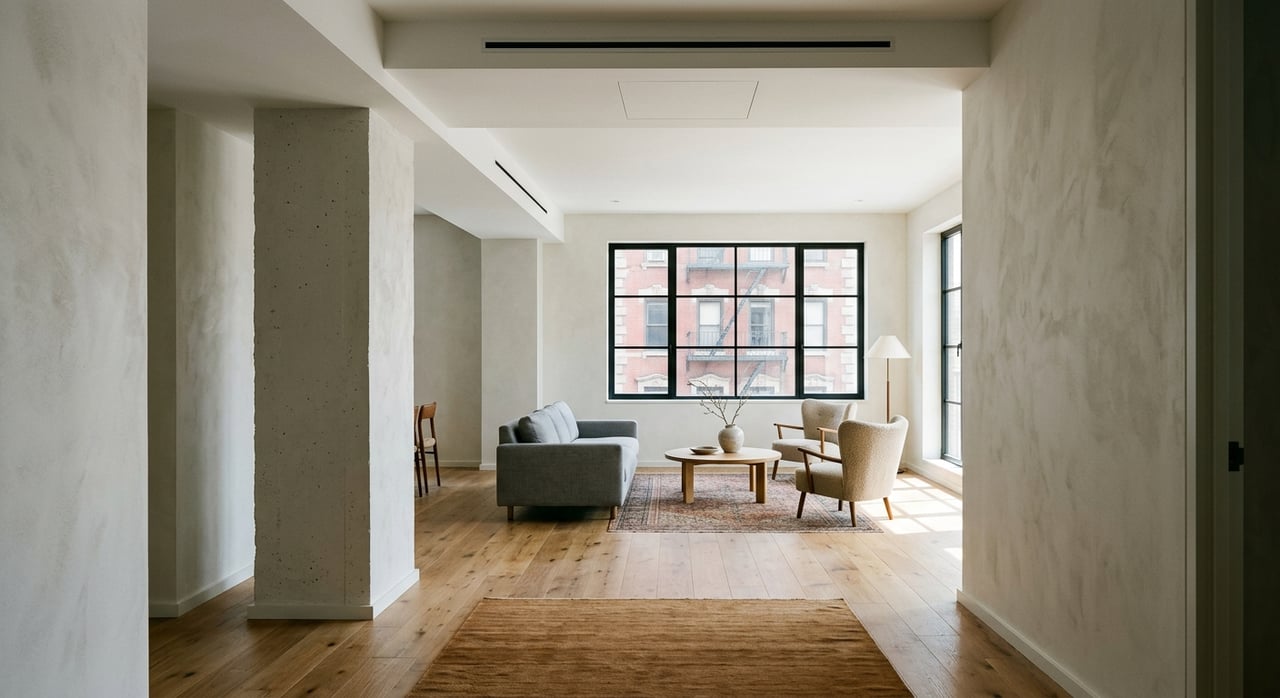
You’ll see 19th and early 20th century rowhouses, townhouse conversions, and prewar walkups or mid-rise co-ops. Landmark districts shape what you can change on the exterior and help preserve the area’s facades and scale, outlined by the LPC’s Greenwich Village resources. Interiors often feature separate rooms, original trim, and smaller kitchens unless they were updated. Ceiling heights are usually lower than industrial lofts, though many renovated homes balance classic details with modern systems.
Chelsea homes
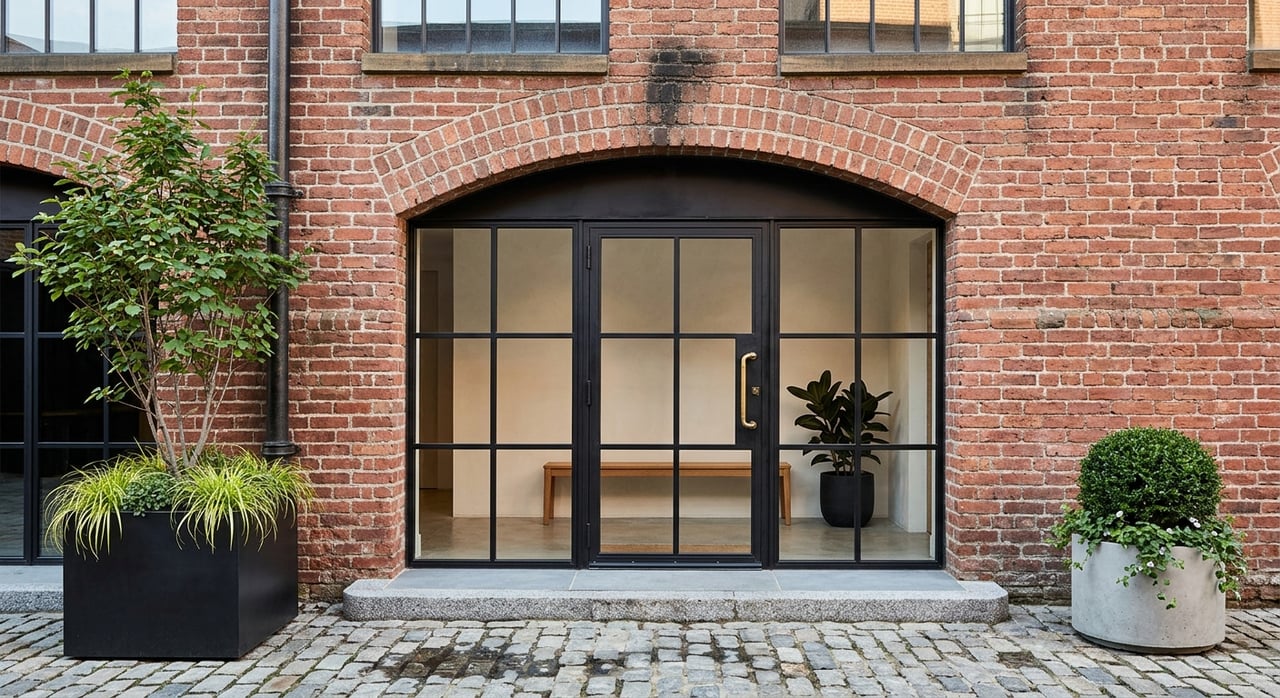
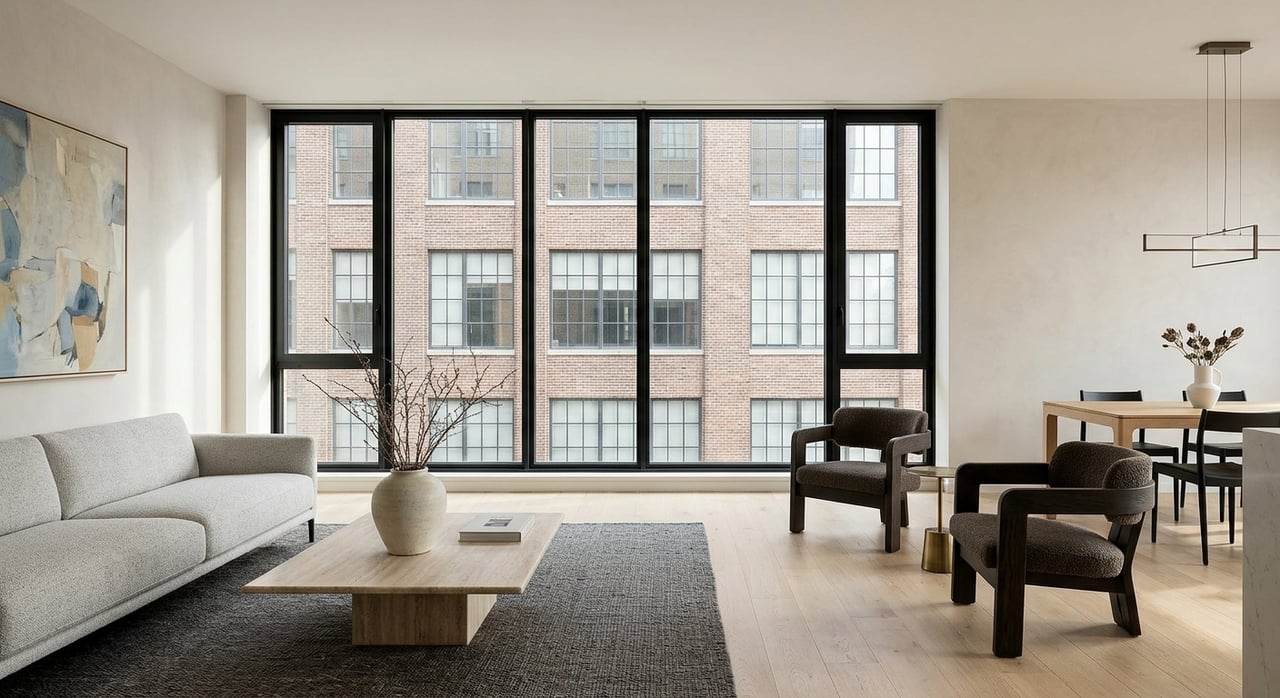
Chelsea offers a wider mix. You’ll find loft conversions in former warehouses, mid and high-rise condos, and gallery-adjacent live/work buildings. Loft typologies usually deliver taller ceilings, large uninterrupted floor plates, and big warehouse windows. Newer condos add amenities and flexible planning. The Historic Districts Council overview of West Chelsea highlights the neighborhood’s manufacturing past and its adaptive reuse.
Ownership and approvals
- Co-ops are common in older West Village stock. They often require board approval, higher financial standards, and stricter renovation rules. That can affect your timeline and scope.
- Condos are more prevalent in newer Chelsea buildings and many loft conversions. Resales and renovations typically face fewer approval layers, though every building has its own alteration policies.
- Landmark districts add exterior review for visible changes. In designated areas of the West Village and parts of West Chelsea, the LPC must approve facade and certain exterior work. See the LPC guidance for Greenwich Village for context.
- Citywide, co-ops are concentrated in older housing while condos dominate newer development, a pattern reflected in analyses like PropertyShark’s co-op vs. condo breakdown.
Daily life: dining, parks, noise, transit
Dining and shopping
In the West Village, you’ll notice small-scale, intimate restaurants and boutique retail woven into low-rise streets. This neighborhood pattern supports a quieter dining room experience on many blocks. Village Preservation’s documentation highlights how local retail and small parks are central to the area’s fabric.
Chelsea pushes toward destination dining. The neighborhood’s hallmark is Chelsea Market, which gathers vendors and restaurants under one roof. Around it, you’ll find everything from market stalls to notable sit-down spots. Media roundups like Eater’s Chelsea guide capture the range.
Green space
Chelsea’s signature outdoor experience is the High Line, an elevated park that threads through the neighborhood and draws steady foot traffic. Along the waterfront, Hudson River Park delivers miles of paths, piers, and new amenities like the Gansevoort Peninsula beach and Pier 26 features.
In the West Village, green space reads smaller and more residential. Micro-parks and gardens such as Abingdon Square and Jefferson Market Garden feel like neighborhood living rooms. Village Preservation has highlighted these pocket parks as a distinctive part of the area’s character.
Noise and nightlife
Both neighborhoods vary block by block. Chelsea’s High Line, Chelsea Market, and gallery corridors concentrate daytime and early evening visitors. Parts of West Chelsea near nightlife hubs also experience more late-night activity. Manhattan Community Board 4 has noted rising noise and foot traffic in these zones in public statements, including a neighborhood planning document.
The West Village’s narrower, low-rise streets tend to create calmer residential pockets, especially on interior blocks and around small gardens. Corridors near bars and busy corners will naturally feel livelier. The key is to evaluate the exact address and its immediate context.
Transit and walkability
You’ll have strong subway options in both areas. Chelsea benefits from east-west nodes around 14th and 23rd Streets that connect to several lines. The West Village offers short walks to downtown trains, with distances shaped by its off-grid street pattern. For any property, list the nearest stations and walking minutes so you can compare apples to apples.
Budget and market context
If you are comparing neighborhood-level prices, Zillow’s neighborhood index shows the West Village with a typical home value around 1.85 million dollars and Chelsea in the mid 1.5 million dollar range. Source: Zillow ZHVI, data through Jan 31, 2026. Treat these as directional, not as comps. Pricing varies widely by building type, condition, and exact block. You will want a live CMA and building-level analysis to price a specific home.
Which one fits your brief?
Choose the West Village if you want
- A historic, human-scale streetscape with townhouses and prewar architecture.
- Intimate restaurants, boutique retail, and pocket parks that read as neighborhood living rooms.
- Interiors with classic details, defined rooms, and the option to modernize without losing character.
- A quieter block-by-block feel in many areas, with close access to Hudson River Park and small gardens.
Choose Chelsea if you want
- Loft volume, oversized windows, and flexible layouts that favor contemporary art and open living.
- Newer condos with amenities or character-rich warehouse conversions near galleries.
- A destination food and culture scene anchored by Chelsea Market and the High Line.
- Easy access to the waterfront and a broader range of building heights and styles.
A 90-minute design tour plan
- Start inside: map your sightlines, ceiling height, and daylight path from living area to bedrooms.
- Walk the building: note lobby quality, elevator access, roof or terrace conditions, and bike storage.
- Walk the block at a busy hour: gauge foot traffic, sidewalk cafes, pickup zones, and trash timing.
- Sample the daily circuit: pop into Chelsea Market or the nearest grocery, then visit the closest High Line or Hudson River Park entrance to time your real walk.
- Ask pointed questions: co-op underlying mortgage and sublet policy, recent capital projects, alteration rules, and any LPC considerations for exterior work in historic districts.
Renovation realities to plan for
- Co-op buyers should budget time for board approval and stricter alteration rules. Expect more documentation and potential interviews.
- Condo buyers usually face fewer layers, though building alteration agreements still control timing and scope.
- Landmark districts require LPC review for exterior changes that are visible from the street. Interiors are generally not regulated unless specifically designated, but structural changes that affect the facade can trigger permits. The LPC Greenwich Village resources are a helpful starting point.
How we help you choose with clarity
As a boutique, design-led team, we evaluate each property as both a home and a project. On tours, we flag ceiling height, structure, mechanicals, and alteration implications in real time, then outline scope, budget ranges, and ROI scenarios. If a West Village co-op needs a layout update, we map the board and LPC pathways. If a Chelsea loft invites a gallery-scale kitchen and lighting plan, we sketch what it will take to execute well. Our integrated approach pairs hands-on renovation guidance with premium brokerage strategy so you can buy, improve, and enjoy with confidence.
Ready to compare homes on the ground and build a clear plan? Connect with Corrin Thomas for a design-savvy, step-by-step path to the right downtown fit.
FAQs
Is the West Village part of a historic district?
- Yes, much of the neighborhood sits within designated historic districts, where exterior changes are reviewed by the Landmarks Preservation Commission. See the LPC Greenwich Village story map for details.
What makes Chelsea’s lofts feel different from West Village townhouses?
- Chelsea’s warehouse conversions often deliver taller ceilings, large floor plates, and big industrial windows, while West Village homes tend to have compartmentalized rooms, classic trim, and lower ceilings, as reflected in West Chelsea’s historic context.
Which neighborhood has better park access?
- Both enjoy Hudson River Park along the waterfront. Chelsea also has the elevated High Line, while the West Village offers a network of small gardens and squares that feel more residential in scale.
How noisy are these neighborhoods at night?
- It varies by block. Parts of Chelsea near the High Line, galleries, and nightlife corridors see more late activity, a trend noted by Manhattan Community Board 4 in public statements. The West Village has calmer interior blocks, but busy corridors can stay lively.
Should I buy a co-op or a condo if I plan to renovate?
- If you want more flexibility and faster approvals, a condo may be simpler. Co-ops typically have stricter financial and alteration rules. In landmark districts, exterior changes also need LPC review regardless of ownership type.
How do prices compare right now between the two?
- Zillow’s neighborhood index shows a typical value around 1.85 million dollars in the West Village and the mid 1.5 million dollar range in Chelsea (Zillow ZHVI, data through Jan 31, 2026). Treat these as directional and confirm building-level comps with a current CMA.