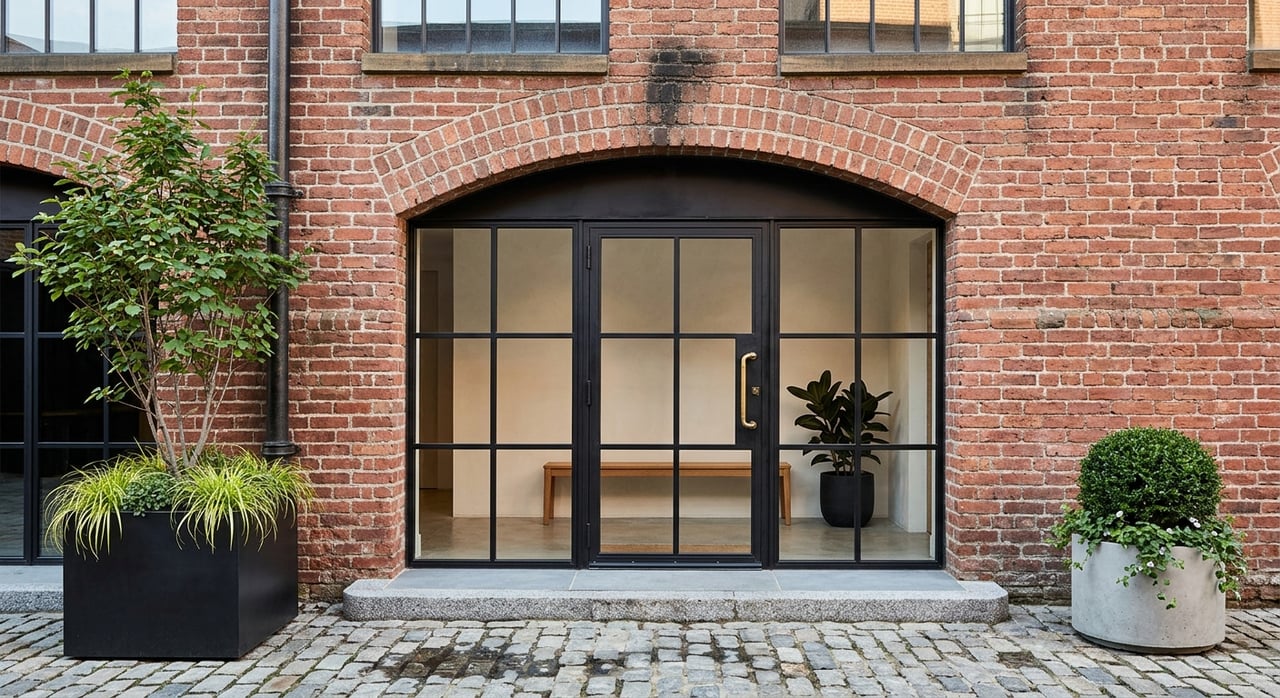
Looking for a home that feels as curated as your favorite gallery and as dramatic as a converted warehouse? DUMBO has a way of standing out even in a city full of iconic neighborhoods. If you are drawn to architecture, volume, light, and design potential, this guide will help you understand what loft living in DUMBO really offers, what tradeoffs come with it, and how to think about the neighborhood like a smart buyer. Let’s dive in.
Why DUMBO Appeals to Design Lovers
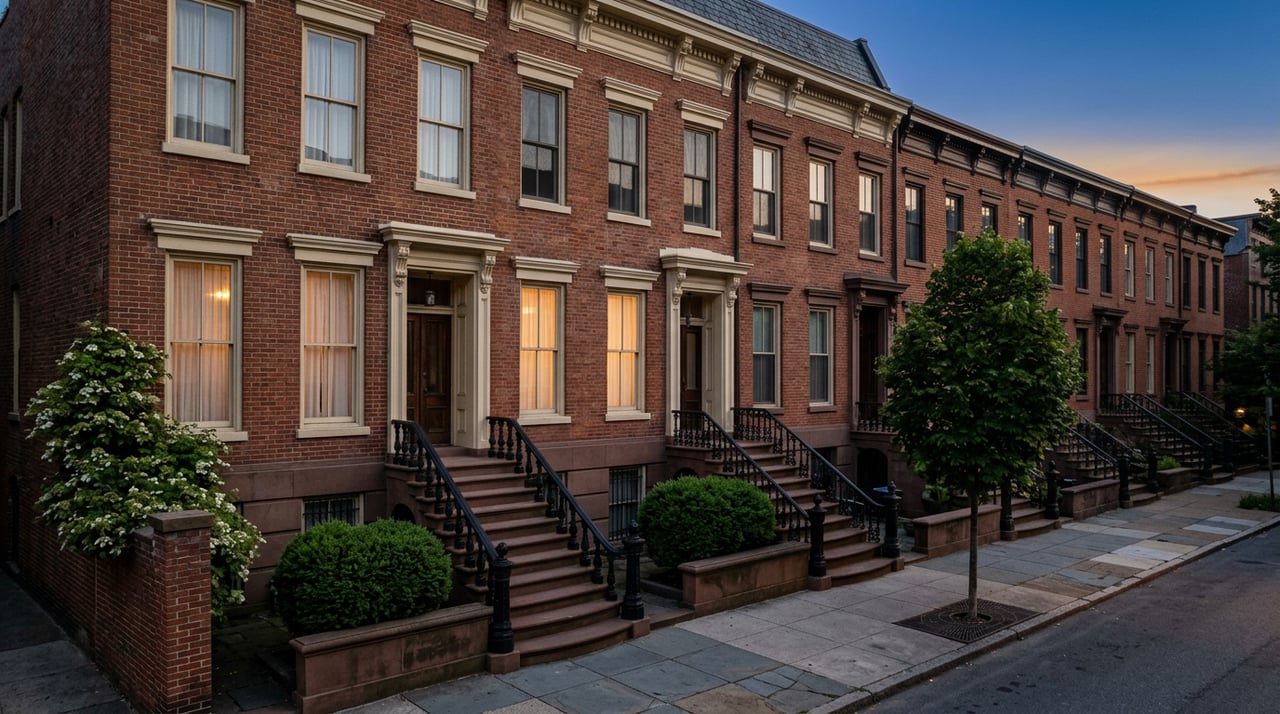
DUMBO is one of New York City’s clearest examples of adaptive reuse done at scale. The neighborhood grew from an industrial district into a loft district as artists began converting warehouses and factories in the late 1970s. Today, that history still shows up in the streetscape through Belgian block paving, old rail tracks, and the dramatic framing of the Manhattan Bridge.
That built environment gives DUMBO a strong visual identity. It does not feel generic or interchangeable. Instead, it reads as layered, architectural, and deeply connected to its industrial past.
The creative energy is not just aesthetic either. According to Team Dumbo, the neighborhood includes more than 150 artist studios and over 50 architecture and design firms, along with galleries, public art, and recurring art events. That concentration helps explain why DUMBO feels more like a design-focused waterfront district than a typical residential pocket.
The public realm adds to that appeal. In 2025, New York City completed a $108 million restoration and upgrade across 26 blocks, including rebuilt cobblestones, improved stormwater drainage, new bike lanes, and Pearl Street Plaza. For buyers who care about both architecture and the quality of the streetscape, those details matter.
What Loft Living Means in DUMBO
Loft living in DUMBO starts with the building stock. Former railroad, hotel, warehouse, stable, and factory buildings sit alongside later conversions and newer residential developments. That mix gives you a wider range of living experiences than you might expect from a relatively compact neighborhood.
In practical terms, lofts here tend to emphasize volume, openness, and flexibility. The neighborhood’s adaptive-reuse history points to larger floor plates and more industrial scale than you would usually find in a traditional prewar apartment. If you love open layouts, oversized windows, and spaces that can evolve over time, that is a major part of DUMBO’s draw.
Commercial examples in the neighborhood help illustrate the scale that defines the area. Team Dumbo describes 10 Jay Street with ceilings above 14 feet and 53 Pearl Street with expansive windows and open floor plans. While those examples are not residential listings, they help explain why residential loft conversions in DUMBO can feel so dramatic in light and proportion.
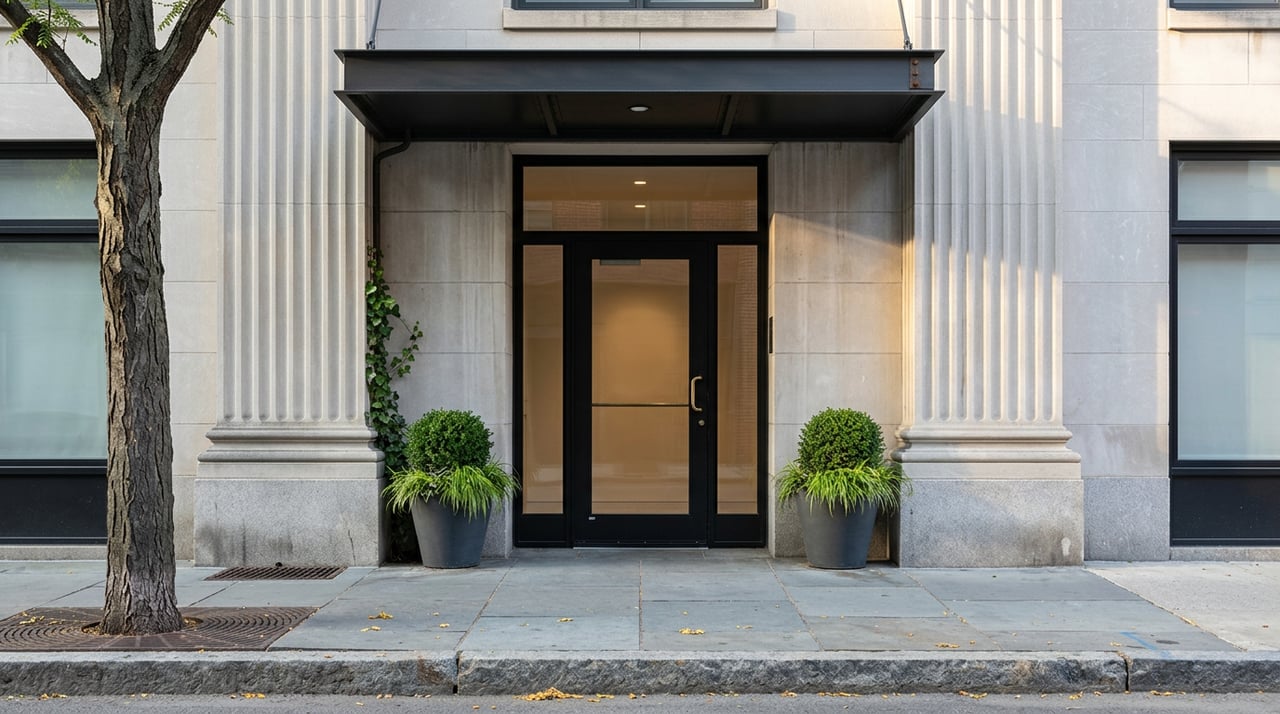
If you prefer something more conventional, DUMBO also includes newer glass residential product. Those homes may appeal to buyers who want a more standard condo layout or full-service style living without giving up the neighborhood’s design-forward setting.
Signature Features Buyers Love
For many buyers, DUMBO loft living is about spatial qualities that are hard to replicate elsewhere. The exact details vary by building, but several features tend to define the experience.
Open Layouts
Many loft-style homes prioritize fewer walls and more flexible common space. That can make the apartment feel larger, brighter, and easier to tailor to your lifestyle. It can also support hybrid use, such as combining living, dining, and work zones in a more natural way.
Oversized Windows
Large industrial-style windows are one of the neighborhood’s most recognizable design elements. They can bring in strong natural light and create a visual connection to the streetscape, bridge infrastructure, or waterfront setting. In a design-led home, that kind of window line often becomes the room’s focal point.
High Ceilings
Ceiling height changes how a home feels. In loft environments, it adds air, drama, and flexibility for lighting, shelving, art display, and custom millwork. Even before you furnish the space, height can create a sense of calm and possibility.
Historic Character
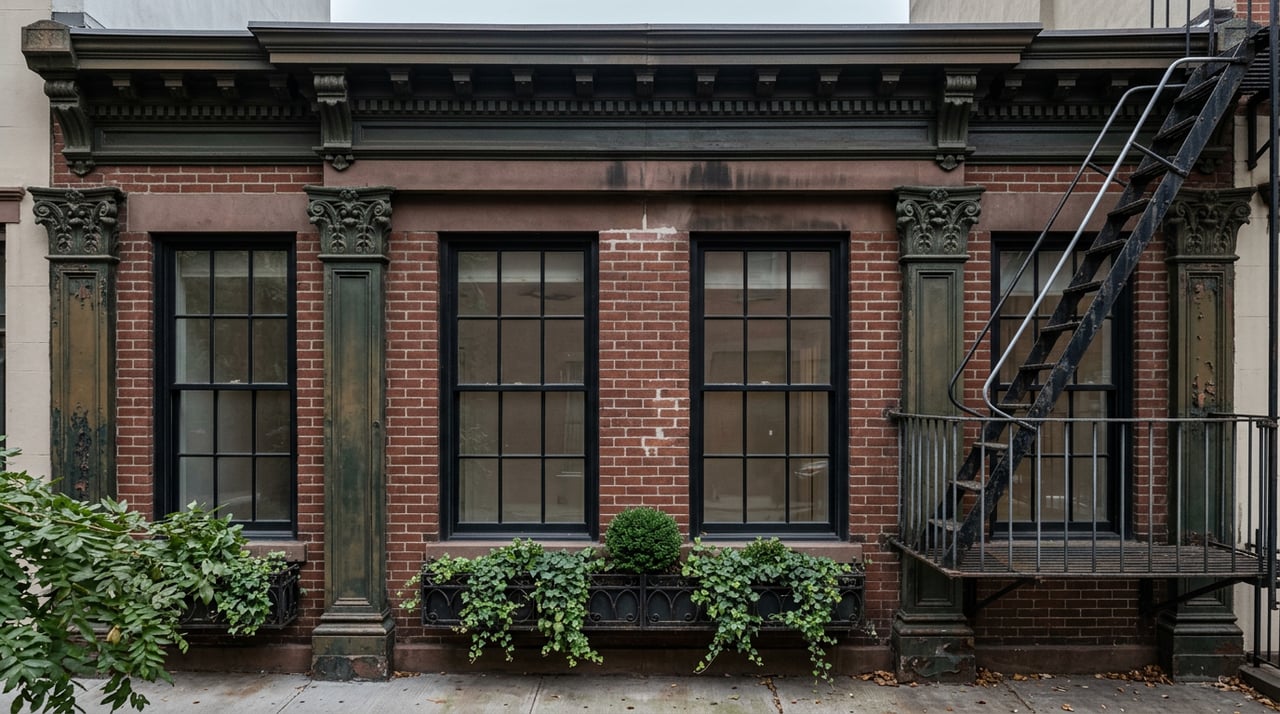
DUMBO’s identity is rooted in reused industrial buildings, and that often shows up as texture and architectural detail. Depending on the property, you may find exposed materials, strong structural lines, and proportions that feel very different from a standard apartment. For design-minded buyers, that character can be part of the value.
How to Think About Renovation Potential
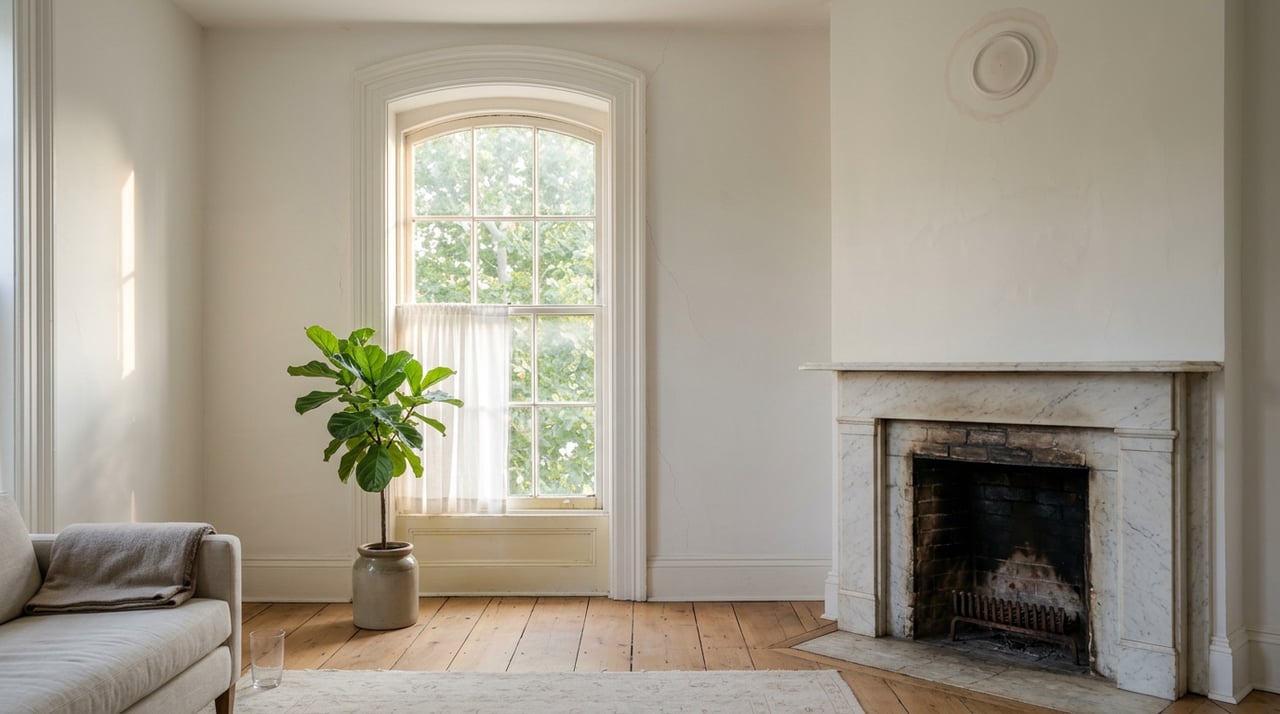
In DUMBO, renovation is often part of the conversation, even for buyers who are not planning a full gut project. You may want to update finishes, rework the kitchen, improve storage, or refine the layout to better fit how you live. In a loft, small changes can have a big effect because the space is so open and visually connected.
That said, DUMBO is also a landmark-sensitive environment. The Landmarks Preservation Commission requires permits for exterior work on landmark buildings and properties in historic districts, including some work that is not visible from the street. Certain interior work can also trigger LPC review if it requires a Department of Buildings permit or affects the exterior or protected features.
A Certificate of No Effect may apply to some interior renovations, plumbing and heating work, rooftop mechanical equipment, ramps, and other changes that do not adversely affect significant features. Still, buyers who plan to replace windows, alter facades, or make visible exterior changes should expect a more involved approval process. In DUMBO, renovation clarity is not a side issue. It is part of evaluating the property from day one.
For design-oriented buyers, this is where a consultative approach matters. You want to understand not just what looks possible, but what is realistic in terms of approvals, timing, and value.
DUMBO Price Points and Market Position
DUMBO remains one of Brooklyn’s premium markets. StreetEasy reports a median sale price of $1.7 million and a median base rent of $5,795. It also describes the neighborhood as one of the most expensive in Brooklyn, with pricing that can rival Downtown Manhattan.
Active listing examples help make that more concrete. Recent examples include a one-bedroom at 100 Jay Street listed at $1.275 million for 909 square feet, one-bedroom rentals around $5,100 to $5,135, and two-bedroom rentals around $6,765 to $8,290. These are listing snapshots rather than neighborhood-wide averages, but they show the general pricing floor buyers and renters are likely to encounter.
Brooklyn-wide context supports the same conclusion. Corcoran’s first quarter 2026 Brooklyn report found that the borough’s overall median price was $828,000, while a greater share of sales above $2 million helped push up resale condo and new development median prices, especially in neighborhoods including DUMBO. If you are shopping here, it helps to think of DUMBO as a premium design and waterfront market, not a value market.
Daily Life in DUMBO
DUMBO’s lifestyle appeal comes from more than the apartments themselves. Brooklyn Bridge Park is the neighborhood’s anchor, stretching 85 acres along 1.3 miles of East River waterfront. The park includes promenades, lawns, river access, Pebble Beach, Jane’s Carousel, and Emily Roebling Plaza.
That access changes daily life. It gives you room to walk, exercise, meet friends, or simply enjoy the waterfront without leaving the neighborhood. For many residents, the park is part of what makes the premium feel justified.
The arts scene also shapes the day-to-day experience. Team Dumbo highlights more than 170 artist studios, galleries, murals, projection art, and monthly First Thursday gallery walks. If you value being surrounded by working creative culture rather than just polished branding, DUMBO offers that in a visible way.
Dining and daily errands are more curated than exhaustive. The neighborhood includes cafes, restaurants, and food options like Devoción, Superfine, Celestine, Butler Bakeshop, Dumbo Market, Peas and Pickles, and Time Out Market. At the same time, StreetEasy notes that DUMBO does not offer every everyday amenity you might find in denser Brooklyn neighborhoods, so it is best understood as convenient in many ways, but selective rather than all-encompassing.
Washington Street also plays a role in neighborhood life. DUMBO notes that it operates as a daily NYC DOT Open Street from 11 a.m. to 9 p.m., with restaurants, tables and chairs, family activities, and public art. That adds energy and pedestrian life, especially during warmer months.
The Tradeoffs to Weigh
Every neighborhood has a give-and-take, and DUMBO is no exception. The design appeal is real, but it comes with premium pricing. If you are buying here, you are paying for architecture, waterfront access, neighborhood identity, and a built environment that feels distinct.
Renovation can also be more complex than buyers first assume. Landmark and historic district considerations may affect what you can change and how long approvals take. If your vision depends on exterior modifications or other visible updates, that should be part of your planning from the start.
The retail mix is another point to consider. DUMBO offers strong lifestyle amenities, but its shopping and service base is more compact than in some larger neighborhoods. For many buyers, that is a fair trade for the setting. For others, it is worth thinking through before making a move.
Is DUMBO Loft Living Right for You?
DUMBO tends to work best if you care deeply about space, architecture, and neighborhood character. It is a strong fit for buyers who value open layouts, industrial-scale proportions, design potential, and immediate access to the waterfront and arts culture. It can also appeal to people who want a home that feels visually distinctive from the moment they walk in.
It may be less ideal if your top priority is maximum everyday convenience at a lower price point or a simple renovation path with minimal approvals. In DUMBO, the special qualities are part of the appeal, but so are the constraints that come with them.
If you are considering a loft or design-forward condo in DUMBO, the smartest next step is to evaluate each property not just as a listing, but as a product. The building type, approval path, layout flexibility, and renovation upside all matter. If you want a clear read on how a DUMBO property fits your goals, Corrin Thomas can help you assess the design potential, market positioning, and practical path forward.
FAQs
What makes DUMBO loft living different from a traditional Brooklyn apartment?
- DUMBO loft living is often defined by open layouts, larger floor plates, higher ceilings, oversized windows, and industrial-scale proportions tied to the neighborhood’s warehouse and factory conversion history.
How expensive is DUMBO compared with the rest of Brooklyn?
- DUMBO sits in Brooklyn’s premium tier, with StreetEasy reporting a median sale price of $1.7 million and a median base rent of $5,795, well above Brooklyn’s overall median sale price of $828,000 reported by Corcoran for first quarter 2026.
Do DUMBO properties have renovation restrictions?
- Many do, especially in landmark buildings or historic-district properties, where the Landmarks Preservation Commission may require permits for exterior work and some interior work tied to Department of Buildings permits or protected features.
What is daily life like in DUMBO for design-focused buyers?
- Daily life in DUMBO combines waterfront access at Brooklyn Bridge Park, a dense arts presence with galleries and studios, and a compact but curated mix of dining, cafes, and grocery options.
Are all homes in DUMBO classic lofts?
- No, DUMBO includes both adaptive-reuse loft buildings and newer residential developments, so you can find homes with industrial character as well as more conventional condo-style layouts.
Why do design-oriented buyers choose DUMBO?
- Many buyers choose DUMBO for its strong architectural identity, creative culture, dramatic loft-style interiors, and waterfront setting, even though those benefits usually come with higher prices and more renovation complexity.