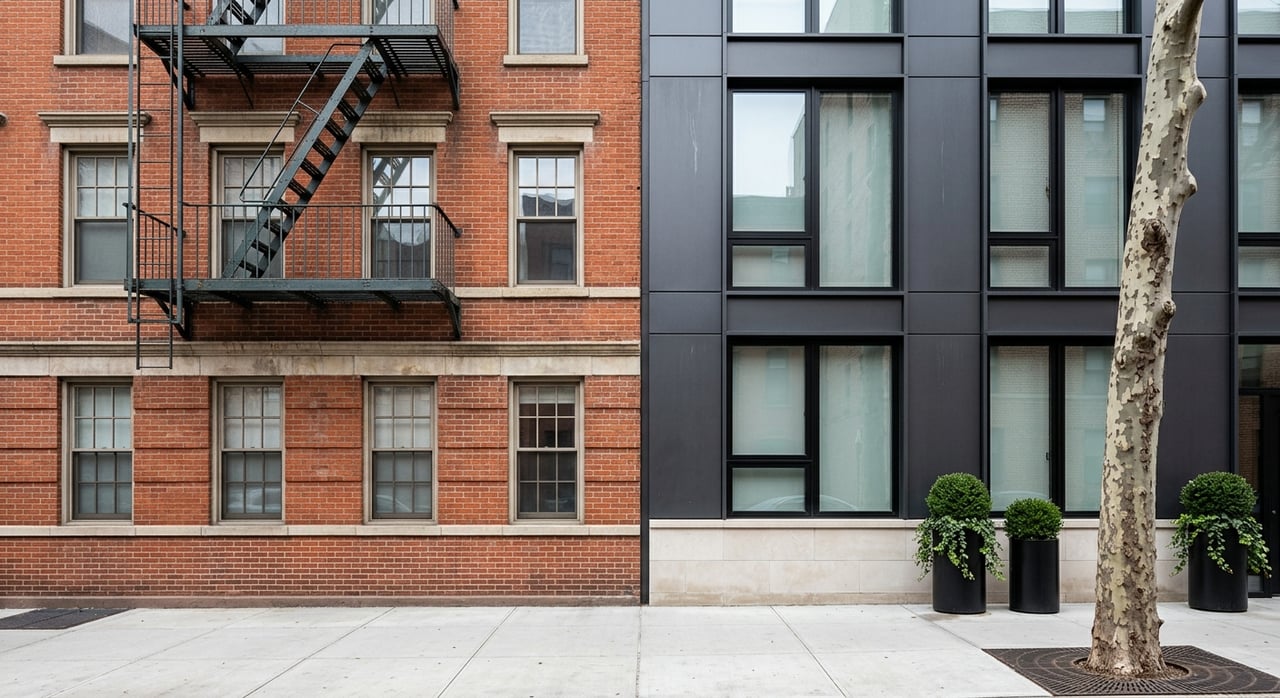
Buying in the East Village often feels like choosing between two very different versions of value. On one side, you have polished new-development condos with modern systems and cleaner ownership rules. On the other, you have classic walk-ups and co-ops that may offer a lower entry price and more prewar character. If you are trying to decide which one really holds value better, the answer is less about shiny finishes and more about how the building works over time. Let’s dive in.
East Village Value Starts With Building Type
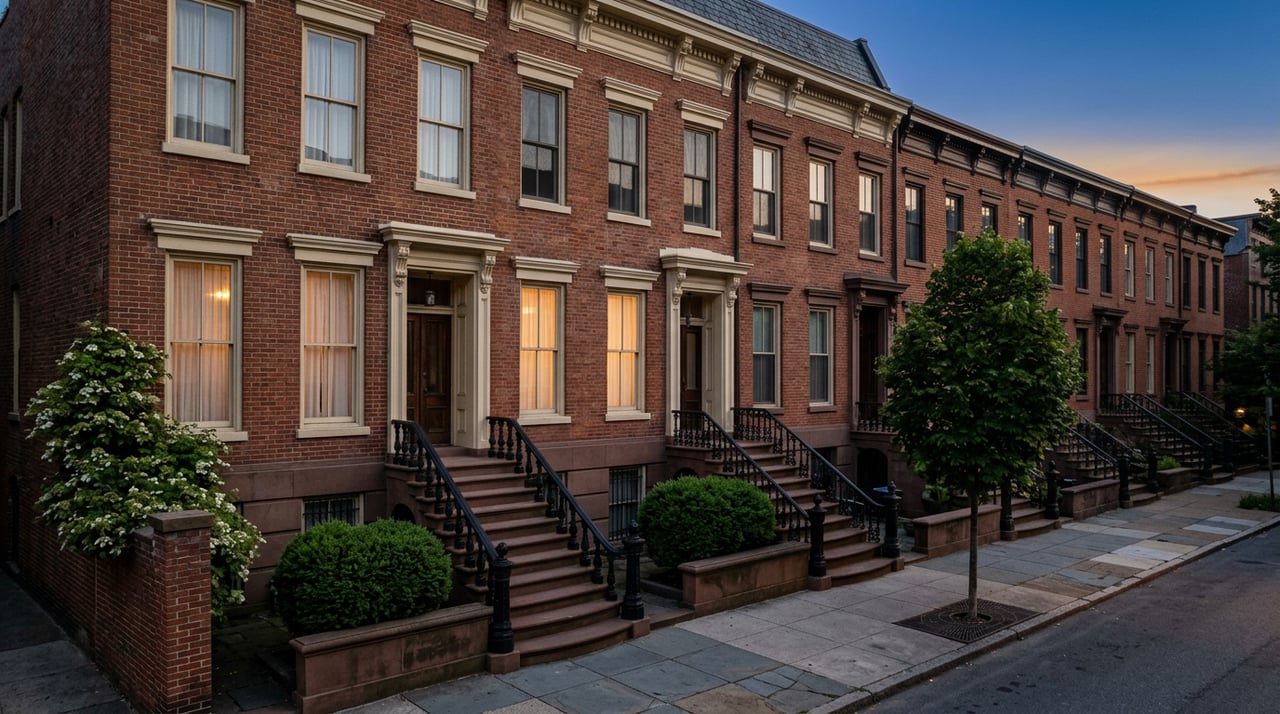
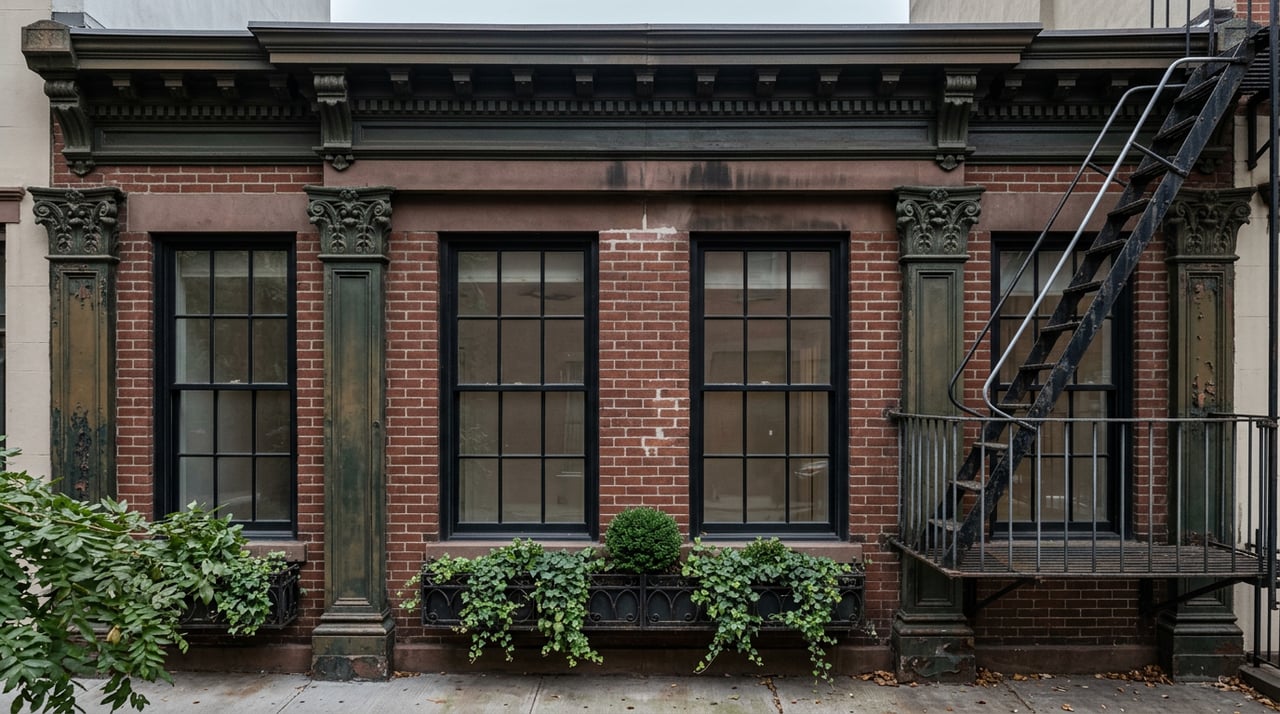
In the East Village, building type matters a lot because the neighborhood is still mostly prewar and walk-up in character. As of May 2026, StreetEasy describes the area as a place where new condos are relatively limited and much of the housing stock is older.
That supply mix shapes pricing from the start. StreetEasy building pages show more co-op or condop buildings than condo or condop buildings in the neighborhood, with 193 versus 119. PropertyShark’s March 2026 report also shows a wide split by property type, with a median sale price of $1.4 million for condos and $550,000 for co-ops.
Those figures come from different datasets, so they are best used as directional signals, not direct apples-to-apples comparisons. Still, they point to an important truth: in the East Village, value is often a building decision before it is a design decision.
Why New Development Commands a Premium
New-development condos usually sit at the top of the East Village price range. Buyers are often paying for newer construction, more modern layouts, updated building systems, and a more flexible ownership structure.
CityRealty shows that 32 East 1st Street, a condo building that opened in 2019, has an average asking price of $2,496 per square foot, with recent sales at $2,401 per square foot. At The Avant on East 12th Street, a sponsor one-bedroom priced at $1,045,000 for 587 square feet works out to about $1,780 per square foot, while a resale one-bedroom at $1,225,000 for 602 square feet comes to about $2,035 per square foot.
StreetEasy also notes that condos are more likely to be newer, include amenities, and cost about 10% more per square foot on average than comparable co-ops. In practice, East Village new development can carry an even steeper premium depending on the building.
Why Walk-Ups Can Still Hold Value
A prewar walk-up or co-op can still be a strong long-term buy, especially if your goal is better entry pricing and solid value per square foot. These homes may not offer the same amenity package or flexibility as a new condo, but they often give you access to the neighborhood at a much lower basis.
CityRealty shows 232 East 6th Street, a 1920 co-op converted in 1986, with recent sales averaging $1,341 per square foot. StreetEasy also shows 126 East 12th Street, a six-story walk-up co-op built in 1900, with a current two-bedroom ask of $925,000 and financing allowed up to 80% of the purchase price.
That gap matters. Based on the cited building figures, the average asking price at 32 East 1st Street is about 86% higher than the recent-sales average at 232 East 6th Street. That does not automatically mean the cheaper apartment is the better investment, but it does show how much of the new-development value story is already priced in at purchase.
Purchase Price Is Only Part of Value
If you are comparing a new condo with a walk-up co-op, the upfront number is only one part of the equation. The monthly carrying cost can meaningfully change which option feels more sustainable and which one holds value more reliably for you.
StreetEasy explains that co-op maintenance can cover property taxes, utilities, staff salaries, any underlying mortgage, and general upkeep. It also notes that co-ops often have lower purchase prices but higher monthly costs and fees than condos.
A useful East Village example is The St. Mark at 115 East 9th Street. The listing shows maintenance of $918.41 per month, plus current capital assessments totaling $316.80 per month, and notes that the building has no underlying mortgage.
That is a good reminder that the headline maintenance number is not the full story. When you are measuring value, you need to look at the total monthly obligation, not just the asking price or the finishes in the kitchen.
Closing Costs Matter Too
New-development condos can also cost more at closing. CityRealty’s reserve-fund guide explains that reserve funds are used for occasional and emergency expenses, and that new developments typically ask buyers to contribute around two months of fees at closing.
That means a condo may be more expensive in three ways at once:
- Higher purchase price
- Higher price per square foot
- Higher closing costs through reserve or working-capital contributions
For some buyers, that extra cost is worth it for newer systems, amenities, and a more flexible ownership structure. But if you are focused on value retention, it is important to account for all-in cost, not just marketing appeal.
Liquidity Can Support Condo Value
One reason new-development condos may hold value well is liquidity. StreetEasy says condos are generally more flexible for subletting, pied-à-terre use, and resale, while co-ops tend to have tighter rules and longer approval processes.
That broader flexibility can widen the future buyer pool. If more types of buyers can purchase and use the apartment, resale may be smoother when market conditions are uneven.
PropertyShark’s March 2026 East Village data showed a condo median of $1.4 million, up 30.5% year over year, while the co-op median was $550,000, down 27.2% year over year. But that same report had just 19 transactions in the March sample, and East Village monthly pricing can swing sharply based on what happened to trade.
So the lesson is not that condos always outperform. The lesson is that you should compare like with like, and avoid drawing big conclusions from a single neighborhood median.
Why Building Health Often Beats Finishes
In a neighborhood with so much older housing stock, building health can matter more than cosmetics. A beautifully renovated apartment in a weak building may prove less durable than a simpler apartment in a better-run one.
The New York State Attorney General advises buyers to read the full offering plan and consult an attorney before signing. It also emphasizes that physical condition matters as much as location, size, amenities, and price.
The AG specifically points buyers toward core building components such as:
- Façade
- Roof
- Flooring
- Elevators
- HVAC
- Windows
- Electrical wiring
- Plumbing
For existing buildings, the AG says buyers should also review board minutes and recent financial reports because those documents can reveal costly building issues. The most expensive problems often involve façade defects, pointing, roof repairs, elevator repairs, plumbing upgrades, electrical work, and boiler replacements.
How to Judge a Walk-Up’s Real Value
If you are leaning toward a walk-up or co-op, your best protection is disciplined due diligence. In the East Village, that means understanding whether the building is financially stable and whether future projects could change your monthly costs.
A practical checklist includes:
- Reserve fund balance
- Any underlying mortgage
- Current or planned capital assessments
- Recent board minutes
- Near-term façade or other capital project exposure
A walk-up co-op with modest finishes, healthy reserves, and stable monthlies can be a better long-term value than a more glamorous option with thin reserves or heavy carrying costs. That is especially true in a neighborhood where older buildings are the norm and building quality varies widely.
How to Judge New Development Value
If you are considering new development, the key is to separate true long-term value from launch pricing. Newer systems and modern finishes can absolutely support value, but only if the building’s economics and offering plan make sense.
The New York State Attorney General notes that for new construction, the offering plan controls what the sponsor must deliver. If an amenity or ancillary space is not specifically promised in that plan, it may not be required in the completed building.
That makes the offering plan much more important than renderings or marketing language. When you buy new development, you are not just buying the apartment you see. You are buying the legal and financial framework behind it.
So Which Holds Value Better?
In the East Village, there is no universal winner. A new-development condo often holds value well when your priorities are flexibility, easier resale, newer systems, and a broader future buyer pool.
A walk-up or co-op can hold value just as effectively when the entry price is right, the building financials are healthy, and the monthly carrying cost is manageable. In many cases, that lower basis creates more room for value to feel durable over time.
The strongest answer is this: the East Village home that holds value best is usually the one where purchase price, monthlies, and building health are aligned. That is often more important than whether the apartment is brand new or full of prewar charm.
If you want help evaluating that tradeoff through both a market lens and a renovation lens, Corrin Thomas can help you weigh building quality, carrying costs, and upside before you commit.
FAQs
Which East Village property type usually costs more upfront?
- New-development condos usually cost more upfront, and East Village examples in the research report show materially higher price-per-square-foot figures than older co-ops.
Which East Village apartment type has lower entry pricing?
- Prewar walk-ups and co-ops typically offer a lower entry price than new-development condos, though monthly costs and assessments still need close review.
Do East Village co-op monthlies include more than basic upkeep?
- Yes. StreetEasy says co-op maintenance can include property taxes, utilities, staff salaries, any underlying mortgage, and general upkeep.
Why do East Village condo closing costs sometimes run higher?
- New-development condos may require reserve-fund or working-capital contributions at closing, which can add to the all-in cost of purchase.
What should East Village buyers review before choosing a walk-up or condo?
- Buyers should review reserve funds, any underlying mortgage, capital assessments, recent board minutes, and the condition of major building systems and components.
Does a new-development condo always hold value better in the East Village?
- No. The research suggests condos may have resale and flexibility advantages, but long-term value still depends on pricing, monthlies, and overall building health.