On September 1, the Landmarks Preservation Commission approved plans to turn 80 Horatio Street, a five-story brick tenement with eight apartments, into a single-family home. In the same quarter, the median co-op sale in the West Village went for $1.2 million, 3.2% less than a year earlier.
Those two facts sit a few blocks apart and describe two different groups of buyers. Wealthy households are absorbing whole buildings and Hudson-edge condos, and that pulls the neighborhood's headline numbers up. A co-op buyer whose budget starts with a one or a two is priced against a separate set of sales, and that set got slightly cheaper in Q3 2026. For anyone comparing the West Village with other parts of downtown this fall, the useful number is the one for the building type you plan to buy.
Seven apartments leave the stock at 80 Horatio Street
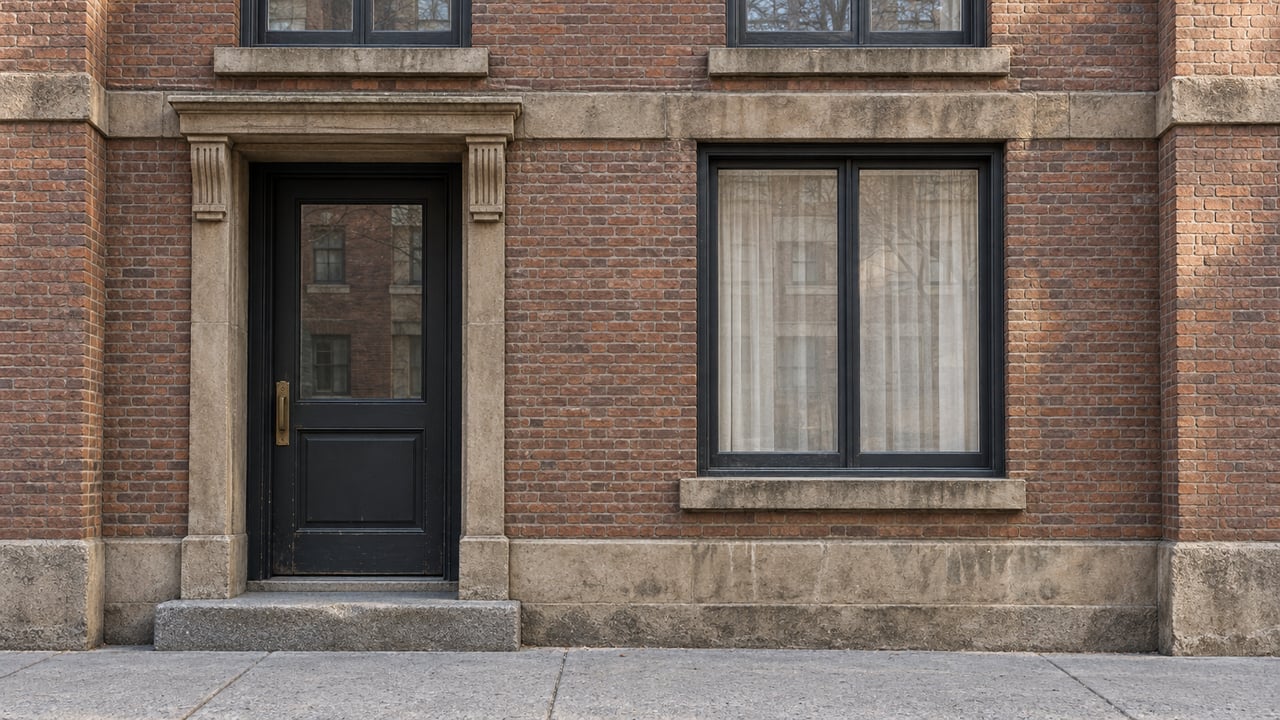
80 Horatio is a pre-law tenement with retail on the ground floor and fire escapes down the brick front. Curbed reported that it sold for $10.25 million in a bidding war and closed in October 2025. The buyer plans to live there. The building is 25 feet wide, deeper than most townhouses, and its rear yard backs onto the Jane Street gardens.
Village Preservation's record of the LPC approval lists the approved work: removing the storefront and installing new windows, replacing the floor joists and roof, rebuilding the rear facade, adding a rooftop addition, and excavating the cellar and rear yard. The approval came with one condition, that the planting area be extended along the side lot line. If the project is built as approved, the block will have one home where it had eight.
Brokers who spoke to Curbed said multifamily townhouses in the West Village now almost always become single-family homes when they sell, and Curbed called tenement conversions like this one "something of a new frontier." Curbed quoted one broker: "When trophy mansions do not exist, sophisticated buyers create them."
The whole-building buyers paid less per foot than condo buyers
According to brokers quoted in the same Curbed piece, the 80 Horatio price works out to roughly $1,600 to $1,700 per square foot. That is about half what finished condos a few blocks west sold for in Q3 2026, as the next section shows. The gap is the cost of the work. A vacant tenement needs new joists, a new roof, a rebuilt rear wall and a dug-out cellar before it lives like a townhouse, and a buyer pricing that building is really pricing a construction budget plus the land.
The same buyers are paying at the top of the market for finished townhouses. The Real Deal reported that 48 Jane Street, a four-story house 22.5 feet wide with 4,100 square feet and five bedrooms, was the priciest Manhattan home to go into contract in the week of September 21 to 27. It was asking just under $15 million. The same report noted that a double-wide house at 105-107 Bank Street sold for $70 million earlier this year. The downtown record is still the $72.5 million sale in Greenwich Village in 2024.
New supply exists, but it comes in small numbers and at prices far above the co-op market. At 125 Perry Street, also known as 738 Greenwich Street, a former parking garage bought for $64 million in 2022 is becoming seven condominiums. The New York Post reported in October 2025 that Penthouse East was asking $85 million and that Penthouse West had reportedly found a buyer at $57.5 million. Its builder, Sciame, lists completion for 2027. So one garage adds seven homes, and one tenement removes seven. None of those homes will ever trade in co-op price ranges.
Three condo closings can move a 17-sale median
PropertyShark's West Village data for Q3 2026 shows the median sale price up 5.8% year over year, to $1.56 million, and the median price per square foot up 7.4%, to $2,247. Over the same quarter, the number of sales fell by a third, from 99 to 66. PropertyShark does not publish its boundary for the neighborhood. Broken out by property type, the Q3 2026 figures read differently:
| Q3 2026, West Village | Sales | Median price | Median price, YoY | Median $/sq ft, YoY |
|---|---|---|---|---|
| Condos | 17 | $3.8M | +57.1% | +22.3% |
| Co-ops | 48 | $1.2M | -3.2% | -6% |
| Houses | 1 | $6.7M | -30.2% | -0.8% |
Co-ops made up nearly three of every four West Village sales in Q3 2026, and their prices went down. The headline went up because the much smaller condo group had a big quarter. Large resale condos near the river account for most of it. At 150 Charles Street, unit M8 closed on August 20 at $13,999,999 for 3,959 square feet, about $3,536 per foot. The Real Deal's September 25 sales roundup listed another 150 Charles condo at $8.8 million for 2,500 square feet, about $3,600 per foot. Its September 4 roundup listed a 3,400-square-foot condo at 111 Leroy Street at $10.5 million, about $3,100 per foot.
In a group of 17 sales, three closings between $8.8 million and $14 million are enough to lift the median. The neighborhood's own history shows how much the headline moves. The overall median was $1.295 million in Q2 2026 and $1.56 million one quarter later. That swing tracks which homes happened to close in each quarter, and it says little about what any single apartment would sell for.
The co-op market follows its own comparable sales
The 48 co-op sales are where most of the neighborhood's buyers actually compete. In Q3 2026, their median price fell 3.2% to $1.2 million, and their median price per foot fell 6%. PropertyShark rounds that per-foot figure to about $1,000. Prewar walk-ups, postwar elevator buildings and small doorman co-ops all sit in that number, and a buyer comparing two of them should go to the building's own recent sales before using any neighborhood median.
Wider Manhattan luxury results show slow negotiations, too. The Real Deal's report on the September 21 to 27 week counted 17 Manhattan homes asking $4 million or more that went into contract. The typical one had been on the market more than 18 months and was discounted 14%. That covers the whole borough above $4 million, not West Village co-ops. It still shows that even the top tier is negotiating, and the prices that move West Village headlines are not being paid without a discount.
What a buyer comparing the Village can take from this
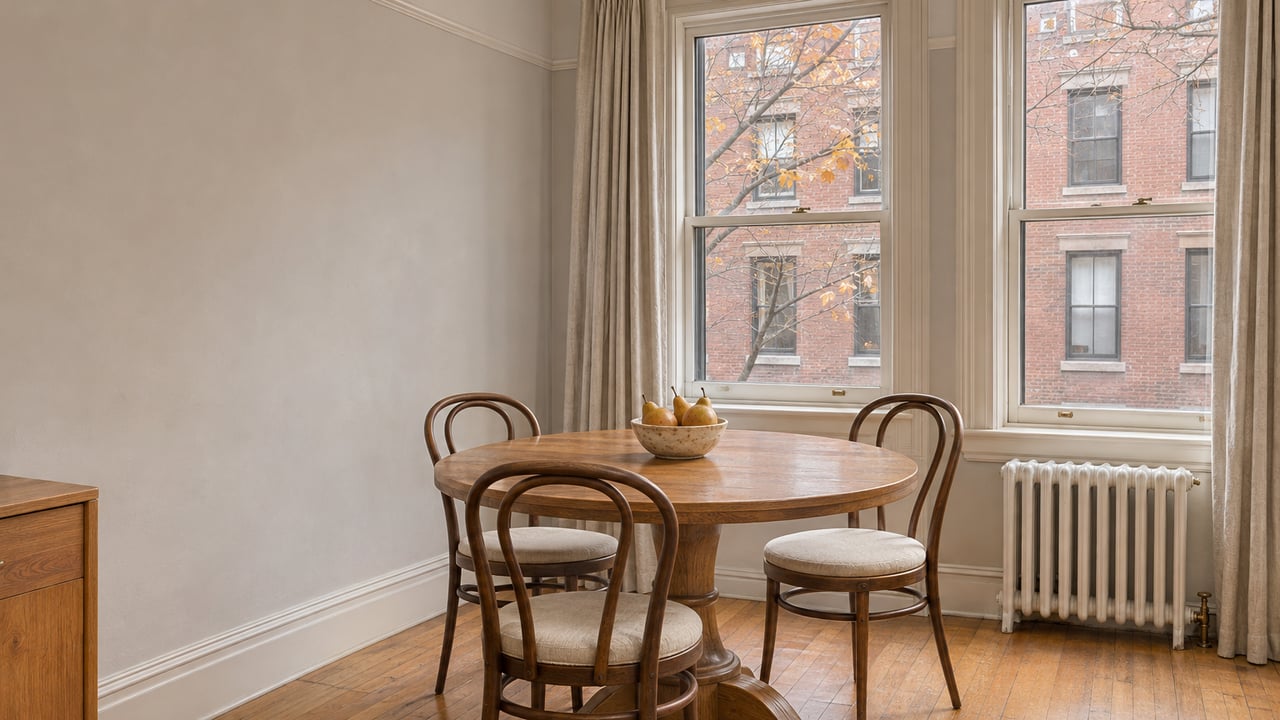
The West Village premium follows physical features: width, light, garden access, and room to build up or down. 80 Horatio sold for the 25-foot width and the deep yard behind it. 48 Jane went into contract with a garden, skylights and wood-burning fireplaces. The same features matter at co-op prices. A floor-through in a walk-up with a rear exposure, or a top-floor unit with roof rights the board might extend, holds value differently from a similar-sized unit facing a shaftway. Neighborhood medians cannot show that difference. Building sales and a contractor's estimate can.
For co-op buyers, Q3 2026 came with a slightly lower median, a third fewer total sales than a year earlier, and a headline figure that was pushed up by a handful of condo sales. If your search includes both co-ops and condos, our co-op vs. condo guide for the West Village compares the two on ownership, approvals and financing. Our West Village neighborhood page covers the rest of the area.
Frequently asked questions
Did West Village prices go up in Q3 2026? The overall median rose 5.8% to $1.56 million year over year, mostly because condo prices rose. The co-op median fell 3.2% to $1.2 million over the same period.
Are West Village apartment buildings being converted into houses? 80 Horatio Street received LPC approval on September 1, 2026, for a renovation that turns an eight-unit tenement into a single-family home. Brokers told Curbed that multifamily townhouses in the neighborhood now almost always become single-family when they sell.
Is new condo supply coming to the West Village? In small numbers. The former garage at 125 Perry Street is becoming seven condominiums, and its builder lists completion for 2027.
If you own a West Village co-op and want to know how your apartment's light, layout and renovation potential compare with recent sales in your building, The Thomas Team can walk the unit with you, give you a construction estimate on the spot, and price it against the right comparable sales. Find out what your New York home is worth.