Thinking about buying in the West Village and stuck on whether a co-op or a condo fits you best? You are not alone. The neighborhood’s charm, low-rise streets, and historic buildings create real differences in how you buy, finance, renovate, and even use an apartment. In this guide, you will learn the key distinctions, what they mean in day-to-day life, and how the West Village inventory mix should shape your search strategy. Let’s dive in.
Co-op vs condo basics
How ownership works
- Co-op: You buy shares in a corporation that owns the building and receive a proprietary lease for your apartment. Your ownership is indirect and governed by the co-op’s rules and board decisions.
- Condo: You buy real property. You receive a deed to your unit and an undivided interest in the building’s common elements. Your ownership is direct.
Monthly charges and taxes
- Co-op maintenance: Typically includes the building’s property taxes, operating costs, staff, and any underlying mortgage payments. You pay one bundled monthly bill to the co-op.
- Condo common charges: Cover building operations, insurance, reserves, and shared utilities. You pay property taxes separately to the city on your unit.
Governance and approvals
- Co-op boards have broad authority. They approve purchasers, regulate subletting, oversee renovations, and enforce house rules. The board package and interview add time and uncertainty.
- Condo boards enforce bylaws and house rules but generally cannot deny sales the same way a co-op can. Registration and document reviews are typical, not full approval votes.
Transfer mechanics and closing costs
- Co-op sales transfer shares and a proprietary lease. You usually do not pay mortgage recording tax, and title insurance is not handled the same way as a deeded purchase. Expect co-op-specific fees like application charges and possible flip taxes.
- Condo sales transfer a deed. Buyers commonly pay mortgage recording tax when financing and purchase title insurance for the unit. Standard closing practices apply.
West Village inventory snapshot
Why co-ops dominate
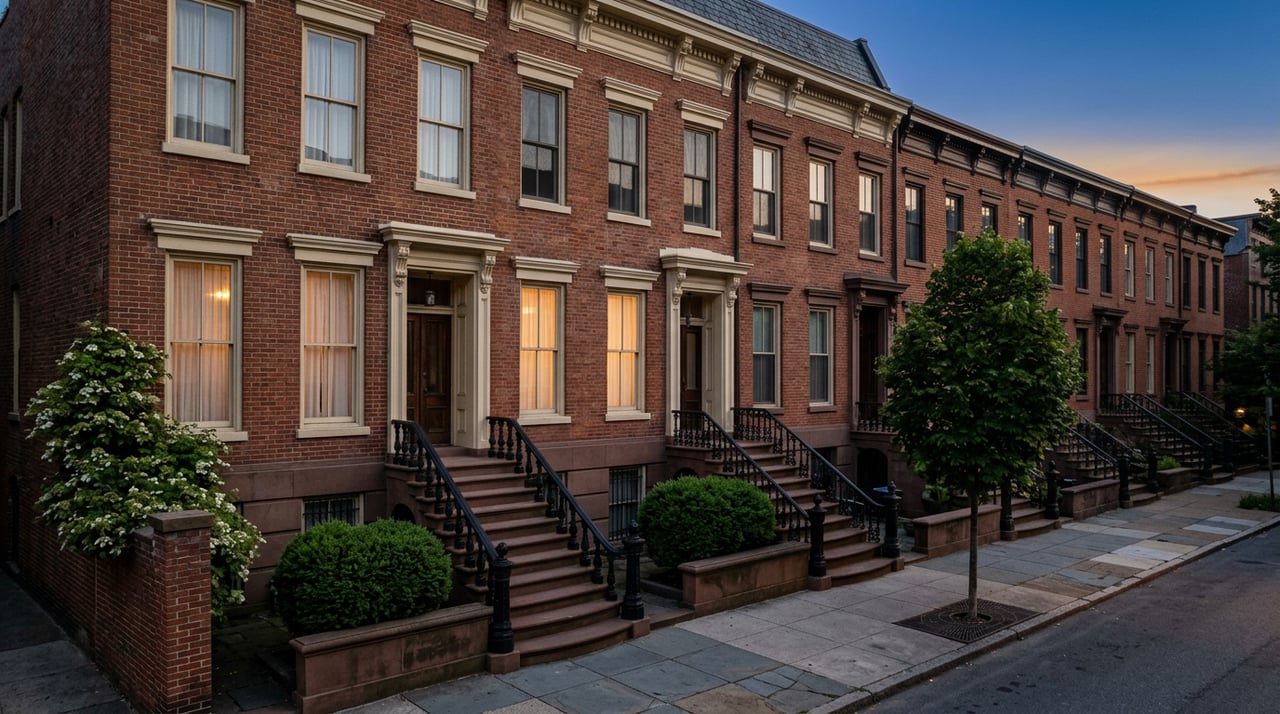
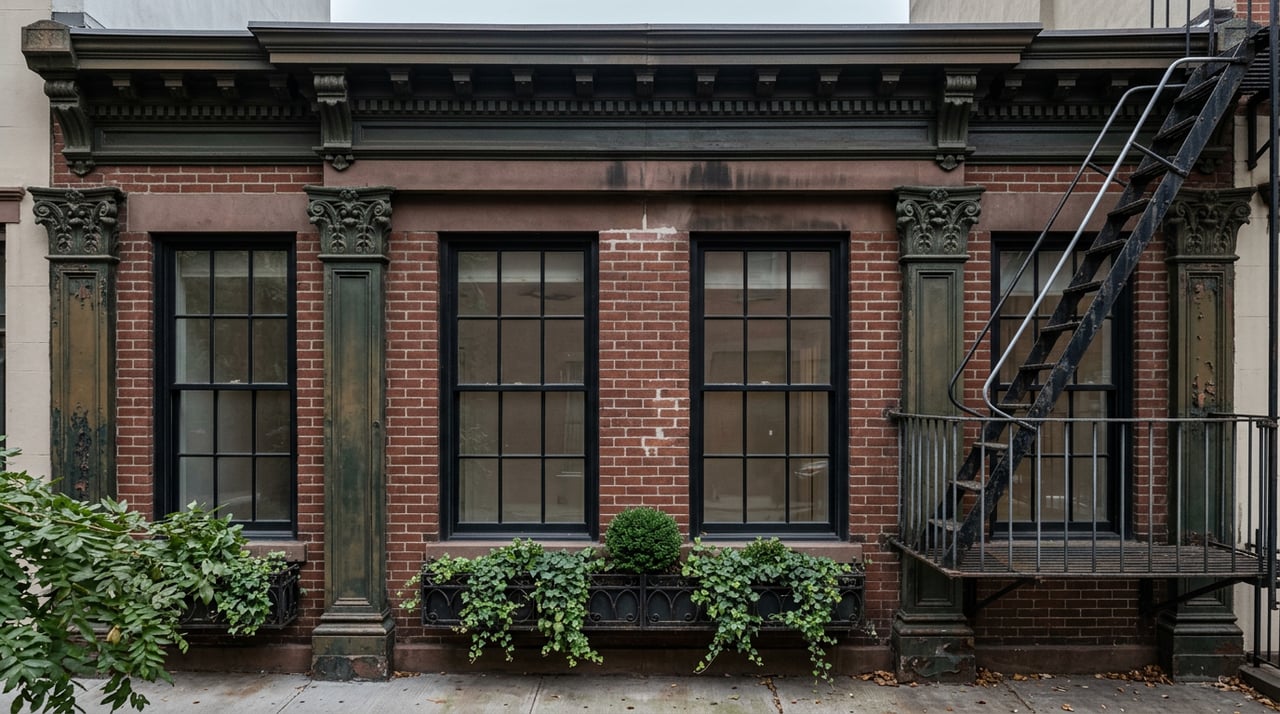
The West Village is known for prewar brownstones, walk-ups, and classic elevator buildings. Many of these are long-established co-ops with active boards. Historic district rules and the neighborhood’s built character have limited large-scale new development, so you will see more co-op listings, especially smaller prewar apartments with original details.
Where condos show up
Boutique condos and loft conversions exist across the neighborhood, but they are less common than co-ops. Larger or newer condos tend to cluster along select corridors and nearer to the waterfront. Since the supply is tighter, West Village condos often command higher prices per square foot and see more competition when a well-located unit hits the market.
Rules that affect daily use
Subletting and rentals
- Co-ops: Many restrict rentals. Policies often require you to own for a minimum period before subletting, set limits on duration or frequency, and require board approval for each sublet. Some co-ops cap non-owner-occupied units or disallow subletting entirely.
- Condos: Generally more flexible for rentals, though bylaws vary. You may need to register tenants or follow minimum lease terms. Short-term rentals are frequently restricted by building rules and city law.
Renovations and alterations
- Co-ops: Renovations usually require board approval. Plans, permits, contractor insurance, and detailed scopes are common asks, especially for changes to plumbing, electrical, or layout.
- Condos: Interior renovations often allow more latitude but still require approvals for structural or major changes. Rules differ by building, so review alteration agreements early.
Short-term rental basics
Regardless of ownership type, buildings often prohibit short-term rentals. New York City regulations also apply. If you expect to host short stays, you must confirm both the building’s policies and current city rules before you buy.
Financing and closing costs
Down payment expectations
- Co-ops: Many West Village co-ops are conservative. Common minimums are 20 to 25 percent down, but some buildings require 25 percent or more, sometimes 30 to 50 percent, plus defined post-closing liquidity. These rules vary by building and your financial profile.
- Condos: Lenders may allow lower down payments for primary residences, sometimes 10 to 20 percent, subject to underwriting. Second homes and investment properties usually require more.
Underwriting and building approval
- Co-ops: Your lender underwrites both you and the building. Some lenders avoid buildings with heavy underlying debt, litigation, or low owner-occupancy ratios. Certain loan products can be discouraged by boards.
- Condos: Lenders underwrite you and the project. Agency approvals can help, but boutique condos may have tighter underwriting standards.
Closing costs you can expect
- Condos: Expect mortgage recording tax and title insurance if you finance, plus standard closing fees. The building may require administrative documents such as a project estoppel letter.
- Co-ops: No mortgage recording tax for the unit. Budget for co-op application fees, move-in deposits, and potential flip taxes. Your attorney will break down the final numbers.
Timeline comparison
Typical condo timeline
From contract to closing, condos often close in 30 to 60 days, depending on your lender and how quickly documents are produced. Administrative items like unit registration are usually straightforward and completed in days to a few weeks.
Typical co-op timeline
Co-op deals can run 4 to 10 weeks after contract, sometimes longer. You will assemble a complete board package, then wait for the board’s review and interview schedule. Lenders typically fund only after the board issues a formal approval, so timing depends on coordination among your attorney, the managing agent, and your bank.
What slows co-op deals
Common bottlenecks include incomplete board packages, missing reference letters or financials, back-and-forth on building attorney reviews, and timing of monthly board meetings. Planning ahead and preparing a thorough package helps reduce delays.
Strategy for West Village buyers
If you need flexibility, focus on condos
If you plan to rent in the future, want a shorter closing window, or prefer lower down payments, prioritize condos. You will still confirm rental policies and timelines, but the approval process usually resembles a conventional property purchase.
If you value character and price efficiency, consider co-ops
Co-ops can offer a lower price per square foot compared with comparable condos in the neighborhood. In exchange, you accept more rigorous approval, stricter rental rules, and tighter renovation oversight. If you are a long-term owner-occupier who appreciates classic details, a co-op can be a smart fit.
Renovation-minded? What to check
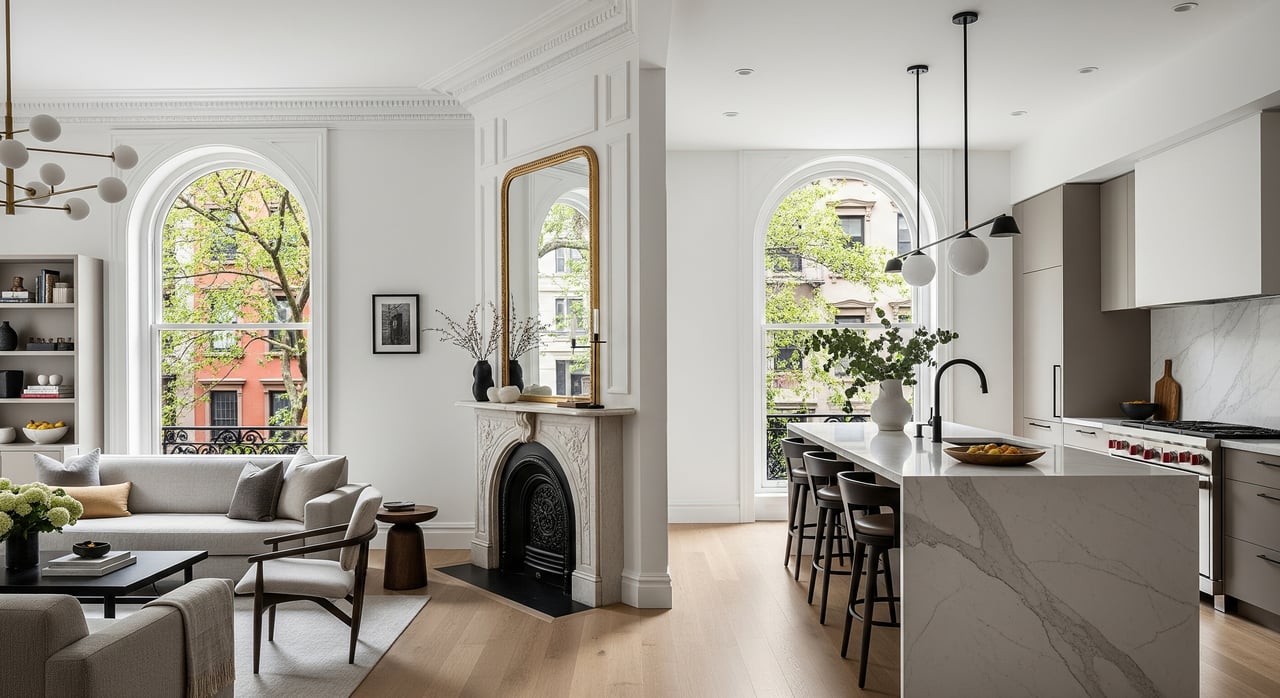
Many West Village buildings are prewar or landmarked, so renovation feasibility matters. In co-ops, approvals are more involved and building systems can limit layout changes. In condos, you often have more interior flexibility. In both cases, review alteration agreements, recent engineering reports, and reserve levels so you can plan scope, timelines, and costs with realistic expectations.
Due diligence checklist
Start your review as early as possible. Ask for and read:
- For co-ops: Proprietary lease, bylaws, house rules, recent shareholder minutes, audited financials and budget, reserve schedule, sublet policy, flip or transfer fee details, staff contracts, underlying mortgage summary, certificate of occupancy, engineering or inspection reports.
- For condos: Declaration and bylaws, offering plan or public offering statement, audited financials and budget, reserve study, house rules, rental and short-term rental rules, insurance summary, litigation disclosures, certificate of occupancy.
- Key questions to ask:
- What are the sublet rules and any minimum ownership periods?
- What down payment and post-closing liquidity does the board require?
- Are there planned assessments or recent increases to maintenance or common charges?
- What is the owner-occupied versus rented mix, and are there rental caps?
- Any recent or pending litigation and capital projects noted in board minutes?
- Are there preferred lenders or known lender restrictions for the building?
How the West Village mix shapes your offer
Because co-ops are more common here, your search may skew toward buildings with conservative boards and active house rules. If a condo that meets your criteria appears, be ready for competition and faster timelines. In co-ops, you gain leverage by delivering a clean, well-organized financial package and demonstrating you fit the building’s policies. Cash buyers or buyers who prepare documents early often move faster and negotiate with more confidence.
Work with a team that knows both
Choosing between a West Village co-op and condo is not just about price. It is about how you plan to live, whether you need rental flexibility, and what you want to renovate. You will benefit from a partner who can read building documents, anticipate board concerns, and assess renovation feasibility before you commit. If you want guidance that blends neighborhood insight with practical construction know-how, connect with Corrin Thomas for a consultative plan tailored to your goals.
FAQs
What is the main difference between a co-op and a condo in the West Village?
- A co-op gives you shares in a building corporation plus a proprietary lease, while a condo gives you a deed to your unit and a share of common elements.
How do co-op board approvals affect my purchase timeline?
- Co-op boards require a full package and interview, which can add weeks to your timeline and introduce uncertainty until formal approval is issued.
Are condos always faster to close than co-ops in the West Village?
- Condos often close in 30 to 60 days, while co-ops commonly take 4 to 10 weeks or more due to the board process and lender coordination.
What down payment should I expect for a West Village co-op?
- Many co-ops require 25 percent or more down and defined post-closing reserves, though some buildings set higher or lower thresholds.
Can I rent out my apartment if I buy in a co-op?
- Many co-ops restrict rentals through ownership period minimums, duration limits, or total caps, and each sublet typically needs board approval.
Do condos in the West Village allow short-term rentals?
- Many condos prohibit short-term rentals in their rules, and city regulations further limit short stays, so confirm both building policy and current law.
How do monthly costs differ between co-ops and condos?
- Co-op maintenance often includes property taxes and building expenses in one payment, while condo owners pay common charges plus separate property tax bills.
Which option is better for a renovation-focused buyer?
- Condos typically allow more interior flexibility, while co-ops involve more approvals; in both, you should review alteration agreements and building reports early.