"The Gansevoort Market is fortunate to have made our home in the Meatpacking District for nearly a century." — John Jobbagy, president of Gansevoort Market, as quoted by amNY
After nearly 100 years, the business that gave this neighborhood its name is packing up. What replaces it, and what's already replacing the neighborhood's dining and retail identity around it, tells you more about where Meatpacking is headed than any single new restaurant opening could.
The last business called "meatpacking" is leaving for apartments
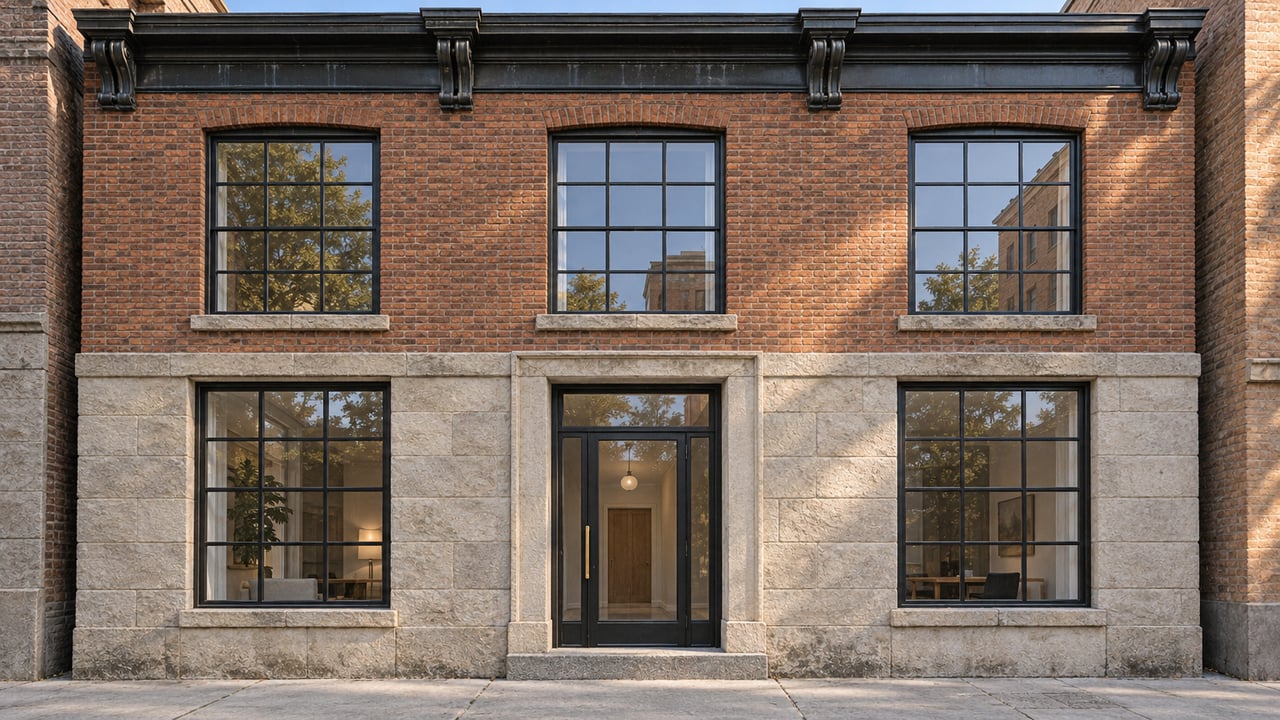
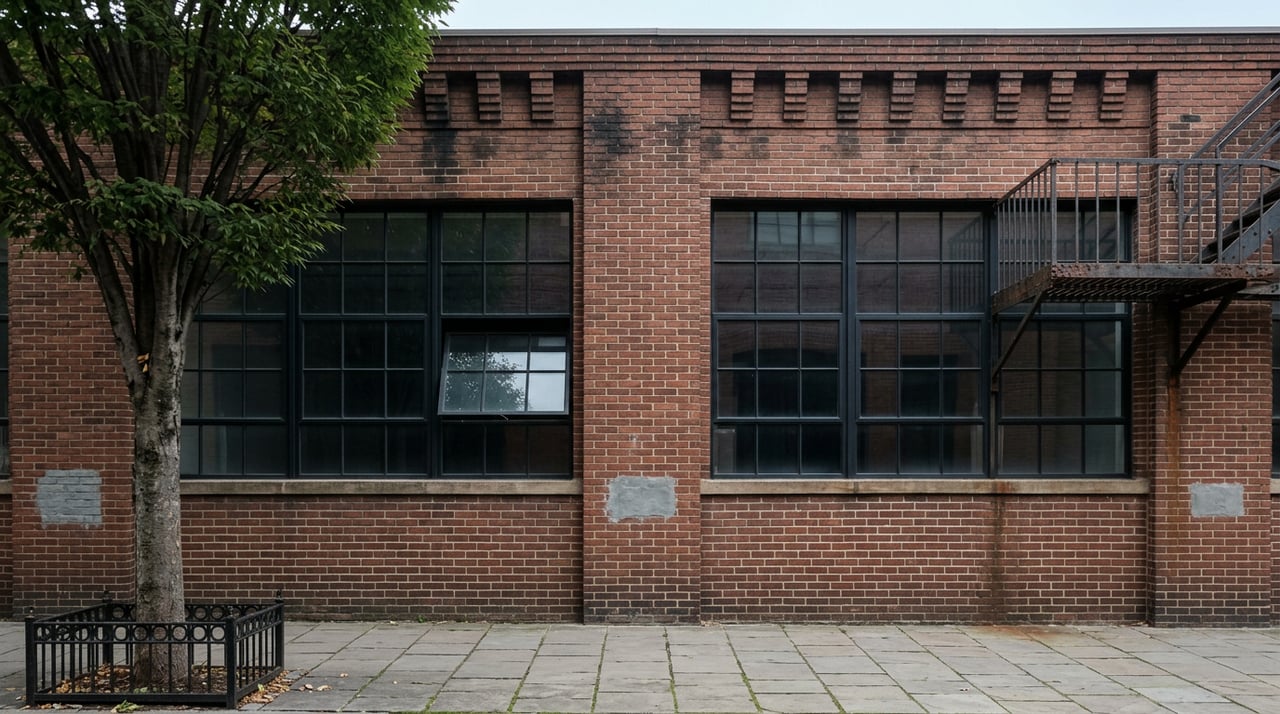
Gansevoort Meat Market occupies roughly 66,000 square feet at the corner of Little West 12th Street and 10th Avenue. In October 2024, First Deputy Mayor Maria Torres-Springer stood up at an Association for a Better New York breakfast and laid out what comes next for that site: Gansevoort Square, a plan for 600 mixed-income housing units, with roughly half slated for affordability levels the city says won't require public subsidy. The proposal also includes an 11,200-square-foot public plaza built to host events year-round, and language leaving room for the Whitney Museum and Friends of the High Line to expand their footprints on the site.
Alan van Capelle, executive director of Friends of the High Line, confirmed his organization is already in early talks with the city and the Whitney about exactly that kind of expansion, framing it as a way to keep pace with a park that has tripled in length and now draws seven million visitors a year, far beyond what anyone projected when it opened.
Not everyone reads the plan the same way. Village Preservation, the nonprofit that fought for the Meatpacking District's landmark status back in 2003, has pointed out that the city selected a developer for a 600-foot tower on this public land, with a chunk of it earmarked for super-luxury housing, and that how many units end up genuinely affordable, and at what income thresholds, hasn't been finalized. Whatever the final mix turns out to be, the headline fact stands: the site that has processed meat since the 1880s is about to process paperwork for co-op boards instead.
For a neighborhood whose entire identity trades on an industry that stopped actually operating here decades ago, this is the moment that industry's last physical trace disappears.
The restaurants already made the same bet
While City Hall was drafting zoning language, the neighborhood's dining scene was making a quieter version of the same move: betting on people who are here every day, not just the ones coming for a scene.
Genesis House, the restaurant that sits above a Genesis car showroom in Meatpacking, spent its first run as a fine-dining destination. This fall it's pivoting. In partnership with the team behind Atoboy and Cho Dang Gol, it's reopening as a more casual Korean spot serving bulgogi and cold kimchi noodles across lunch, brunch, and dinner, according to The Infatuation's fall restaurant roundup. That's a shift from special-occasion covers to the kind of weekday traffic that only works if there's a weekday population to serve.
Catch NYC made a version of the same bet on its own 15th anniversary. Rather than lean further into the see-and-be-seen reputation that made it a Meatpacking fixture, the restaurant brought in Rockwell Group to refresh the space and sharpened its focus toward what it's calling a food-first approach, built around its seafood, steak, and sushi program rather than the room itself.
None of this means the district has given up on spectacle. Lady Delilah, a 10,000-square-foot subterranean supper club and jazz lounge from H.wood Group cofounder John Terzian, is still set to open at 50 Ninth Avenue this fall, and Terzian was explicit about why he picked this neighborhood over others he scouted: the size of the space and the density of the crowds already here. Meatpacking hasn't stopped being a destination. It's just adding a second register, one built for people who live within walking distance and want lunch on a Tuesday, not just dinner reservations on a Saturday.
What else is arriving before the year is out
The retail side of the neighborhood is moving at a pace that hasn't slowed down even as its industrial anchor exits. According to WWD's August reporting, last year's openings included Bottega Veneta, Baccarat, Golden Goose, Luca Faloni, and seven others. This year has already brought Amouage, Scarlett Gasque, MooRER Verona, and Bernardaud, plus two fine-dining openings in Estelle's, inside the Gansevoort Meatpacking NYC Hotel, and Verde, a French-Mediterranean supper club.
Still to open before the year closes:
- Bagatelle, a fashion retailer
- Bang & Olufsen, high-end audio and electronics
- Silent H, a Mexican restaurant
- Bilt Cafe
- Acne Studios
Add those five to what's already opened in 2026 and the district is on pace for a brisk year of openings, even with its namesake tenant walking out the door. That's not a neighborhood in transition so much as a neighborhood mid-sprint, using the vacancy left by an industrial tenant to keep accelerating rather than pausing to catch its breath.
The park's ticket window just closed for the year
Little Island ran its most ambitious ticketed season yet this year, and it just ended. The 2026 lineup at The Amph, the park's outdoor amphitheater on Pier 55, ran from July 29 through September 6 and included 56 performances from more than 200 artists, according to Playbill's season coverage. Justin Vivian Bond opened the run, Anthony Roth Costanzo returned for a week built around minimalist music, and the season closed with Thomas Bartlett leading a series of concerts marking Allen Ginsberg's centennial, joined by Rufus Wainwright and Laurie Anderson. Every Amph ticket was $25, and the two prior summer seasons had sold out completely.
That run is over now. What continues is the free side of the park, The Glade and The Play Ground, which TodayTix describes as running additional daytime and community programming beyond the ticketed months. The park itself stays open and free to the public 365 days a year, ticketed performances or not.
So for a few weeks each summer, Little Island functions as a $25 destination pulling in visitors from across the city. For the rest of the year, it functions as a free public pier that belongs to whoever happens to be walking by. That second mode is the one that's active right now, and it's the one built for people who don't need an event calendar to have a reason to be there.
Three signs pointing the same way
A meatpacking business that's operated here for a century is trading its lease for 600 apartments. A restaurant known for fine dining is trading white tablecloths for lunch service. A park built its highest-profile season around ticket sales and then spent the other ten months of the year giving that same space away for free. None of these are related decisions made by the same people, but they're all describing the same shift: a neighborhood whose infrastructure increasingly serves the people already living in it, not just the ones visiting for a night out.
The Meatpacking District earned its name from an industry that left it behind decades ago. This fall, it's finally clearing out the last physical evidence of that industry, and everything opening in its place, from the restaurants adjusting their hours to the park settling back into its quiet season, is being built for people who'll be back next Tuesday.
If you're trying to figure out what these shifts mean for property values or timing on Meatpacking's next chapter, The Thomas Team tracks this neighborhood's real estate the same way it tracks its restaurant openings: closely, and from the ground. Reach out to Corrin Thomas for a grounded read on where Gansevoort Square and the blocks around it go from here.