What actually happened to Dumbo's housing market in the first quarter of 2026? Ask different data trackers and you get different answers. One showed the median sale price at $2.6 million in January, up 19 percent from a year earlier. The same source showed price per square foot falling nearly 29 percent over the same stretch. Days on market jumped from 71 to roughly 220. By the second quarter, a separate quarterly tracker put the median closer to $1.9 million, up less than 1 percent year over year, on a total of 36 recorded sales.
None of those numbers are wrong. They are all measuring a neighborhood so small that a handful of closings can swing the headline in either direction within a single reporting window. Thirty-six sales in a quarter means one $6 million penthouse or one distressed unit sold at a discount can move the median by six figures. That is not a market correcting itself. It is a market too thin for its own median to mean much month to month.
If you are buying or selling a converted loft in Dumbo, the price swings you read about are mostly noise. The real risk sits somewhere the headline number never touches: whether the building's paper trail actually supports the sale you are trying to make.
The paperwork is the product
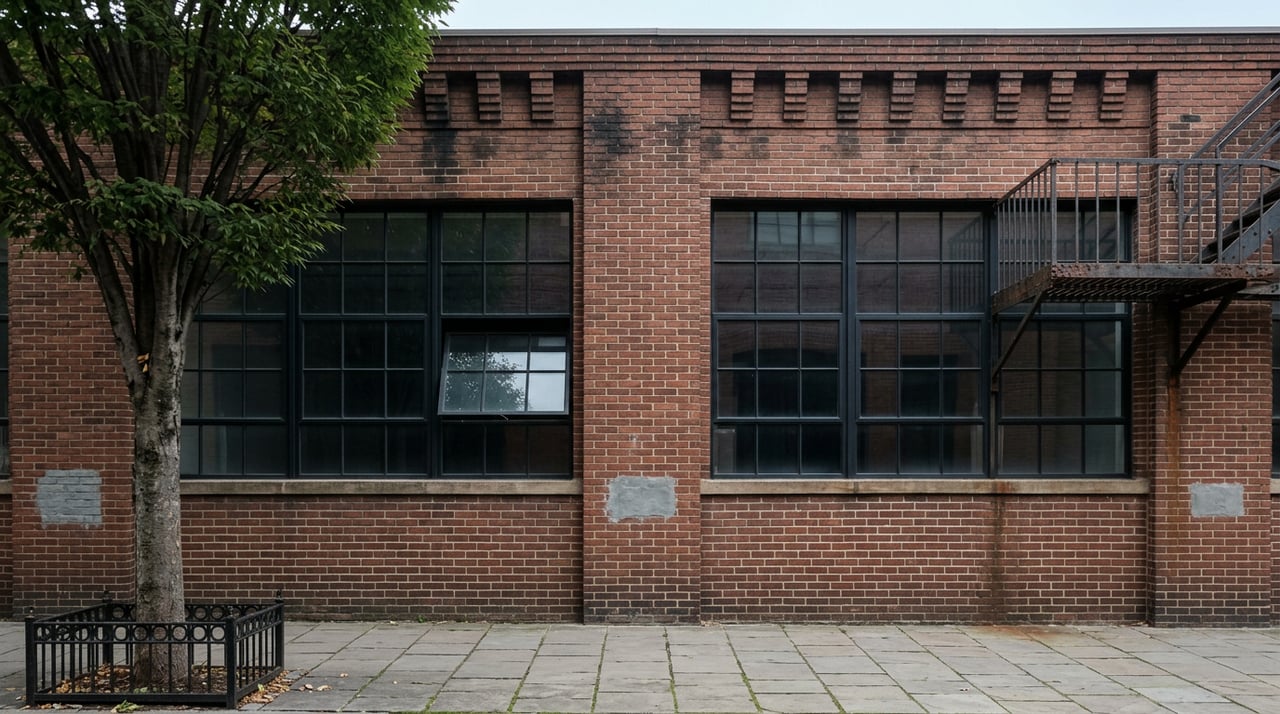
Dumbo's housing stock is not typical prewar co-op stock or typical new construction. Most of the neighborhood's best-known buildings started as factories and warehouses, built between roughly 1880 and 1930, and were converted into residential lofts decades later. That history means a Dumbo loft carries three layers of regulatory record that a standard Manhattan co-op simply does not have to worry about in the same way.
The first layer is the Certificate of Occupancy itself. A unit needs a residential CO, according to the New York City Department of Buildings. The second layer is Loft Law history. Buildings that were converted before their paperwork caught up with reality moved through New York's Loft Law process, a framework that dates to 1982 and exists specifically to legalize residential occupancy in former manufacturing buildings. If a building's legalization was never fully closed out, that gap remains a due-diligence question for a buyer.
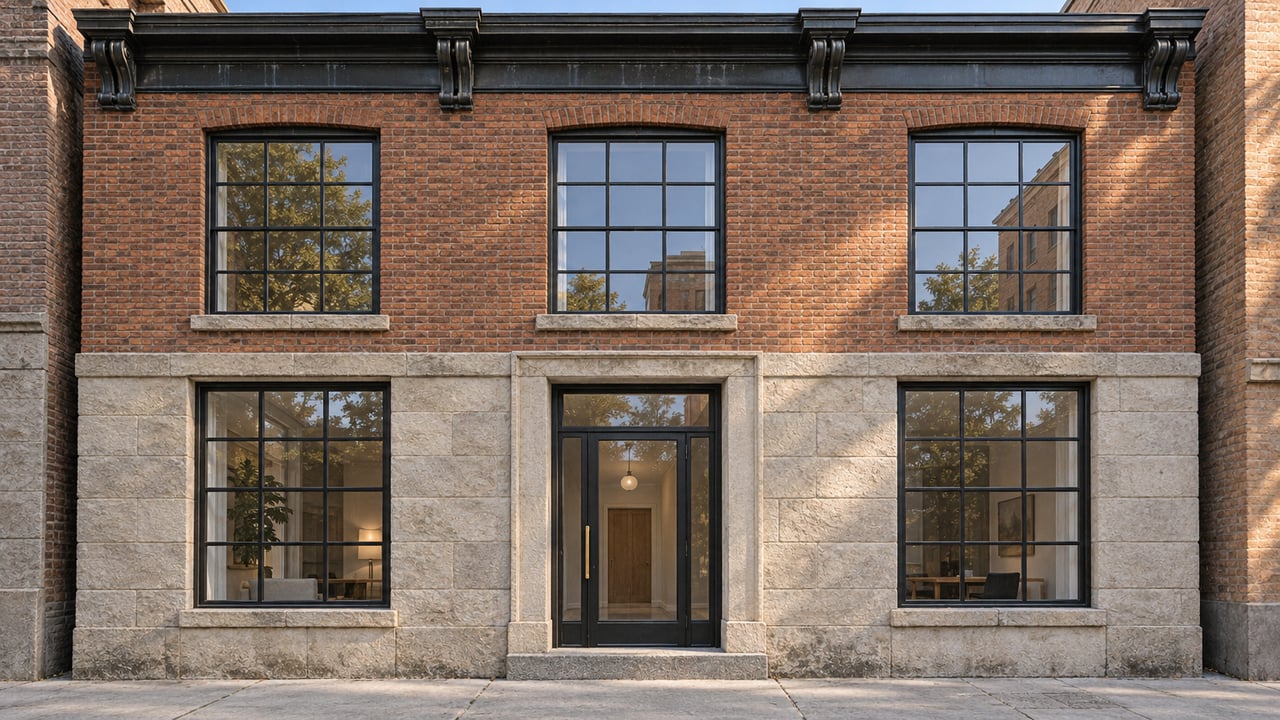
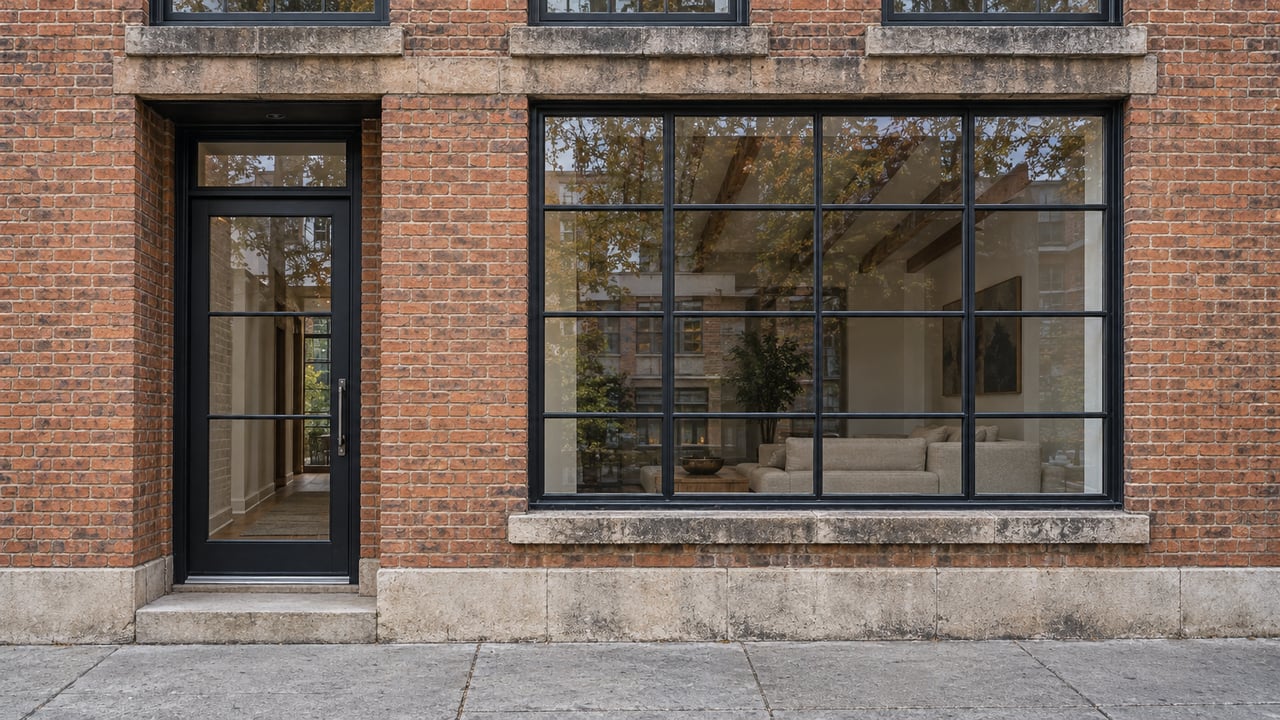
The third layer is Landmarks. Dumbo's historic district was designated in 2007, which means the Landmarks Preservation Commission now has jurisdiction over exterior changes to buildings across the neighborhood, including the oversized factory windows that make these lofts desirable in the first place. Buyers fall for the windows. They rarely ask who has to approve replacing them.
Three approvals, three timelines
Renovating or even just verifying a Dumbo loft touches three separate reviewing bodies, and each one runs on its own clock.
The Landmarks Preservation Commission reviews exterior changes.
The Department of Buildings issues the construction permit itself, but BrickUnderground reports that it cannot process that permit until the Landmarks certificate is already in hand. The two agencies do not run in parallel. LPC goes first.
The co-op or condo board is the third approval, and it is the one owners most often treat as an afterthought. A board can run its review at the same time as the LPC application, but line up board approval before investing real money in landmarks documentation. A board that says no after four months of LPC paperwork means starting the whole sequence over.
Material choice matters inside that Landmarks review too.
Same neighborhood, different paper trails
The Clocktower at 1 Main Street is the building most people picture when they think of a Dumbo loft. Built in 1914 for packaging magnate Robert Gair, it was once the tallest reinforced concrete building in the world. Developer David Walentas converted it into 124 luxury condominiums in 1998 under Two Trees Management, and the building's conversion, legalization, and Landmarks history are by now well documented across decades of resales. That track record is worth something. A buyer looking at a Clocktower unit today is buying into a paper trail that has already survived multiple closings, multiple mortgages, and multiple Landmarks applications.
A few blocks away, the Sweeney Building at 30 Main Street offers a different version of the same conversion story, with a doorman, roof deck, and gym layered onto the classic loft floor plan. And listings around the neighborhood still surface units in buildings described as Dumbo's final factory-to-loft conversion, meaning the legalization and Landmarks work on those buildings is comparatively recent and has fewer resale cycles behind it to prove it holds up.
None of that makes one building better than another. It means the questions a buyer should ask depend on when a building's conversion paperwork was actually closed out, not just how convincing the exposed beams look on a walkthrough.
What this means if you are selling
A seller who assembles the paper trail before listing, rather than scrambling for it during attorney review, controls the timeline instead of losing weeks to it. That means having the unit and building Certificate of Occupancy on hand, along with any Loft Board legalization filings tied to the building's original conversion. It means pulling copies of prior LPC certificates for any window, facade, or common-area work the building has already completed, since a clean history there answers a buyer's attorney's first question before it gets asked.
It also means knowing your building's own construction rules cold. Many Dumbo buildings restrict noisy work to daytime hours to manage complaints in dense residential floors above working ground-floor retail, and a full loft renovation typically needs three to five months of design, board approval, and permitting before construction even starts, followed by six to twelve months to build. A seller who can hand a buyer's contractor a realistic timeline, backed by real building history, is selling certainty in a market that otherwise reads as unpredictable.
We have written before about what draws buyers to Dumbo's loft stock in the first place, the scale, the light, the industrial bones that no new construction quite replicates. That appeal does not change. What changes deal to deal is whether the building behind that appeal has its paperwork in order.
Price off the building, not the headline
Given how few units trade in Dumbo in any given quarter, the honest move is to price off comparable closings inside the same building or a genuinely similar conversion, not off the neighborhood's monthly median. A 220-day marketing time reported for one month says almost nothing about how long your specific unit will take to sell. A 19 percent swing in median price says almost nothing about what your specific unit is worth. What does say something is whether the last comparable unit in your building or one like it closed with a clean Certificate of Occupancy, a resolved Loft Law history, and Landmarks paperwork already on file.
Frequently asked questions
What if the building's Certificate of Occupancy already lists it as residential? That is a good sign.
How much lead time should a seller build in if window or facade work is still pending? Budget for the Landmarks review first. The Department of Buildings permit cannot be filed until that certificate is issued. Sellers who resolve this before listing avoid the delay landing in the middle of a buyer's due diligence.
Buying or selling a piece of Dumbo's industrial history rewards patience with the paperwork as much as taste in exposed brick. The Thomas Team works through renovation history, Landmarks filings, and building-specific comps before a listing ever goes live, so the numbers you're pricing against are the ones that actually apply to your unit. Find out what your New York home is worth by starting with a home valuation, or explore how our construction and renovation advisory work fits into a Dumbo sale from the first walkthrough to closing.
This article is general information, not legal, tax or financial advice. Consult a qualified professional about your situation.